
Blow-Guns by several high quality manufacturers
Blow-Guns and kits serve you very well for quick and effortless cleaning with low cost.

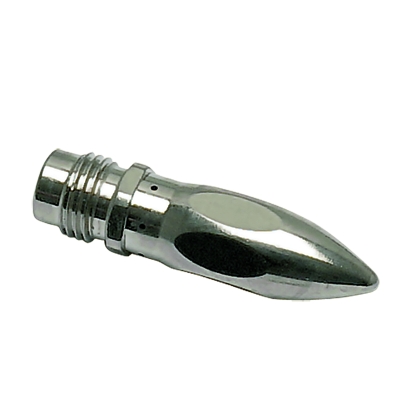
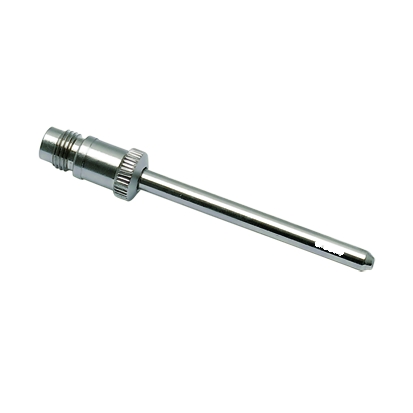

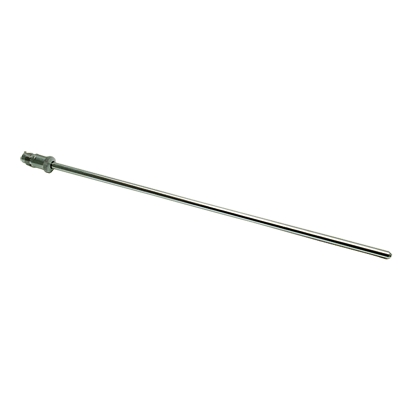
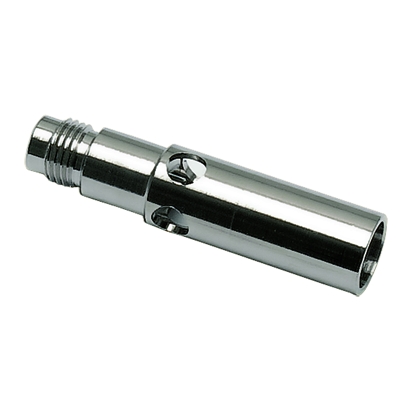
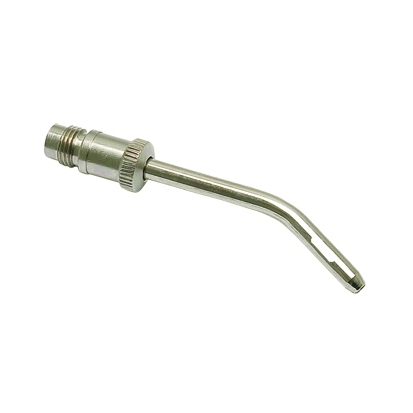
5-6 workdays
0656 66 13 Blowgun
Safety blowgun kit with angled tube nozzle (short), NW 2,5, connection G1/4
€48.78


on Stock


5-6 workdays
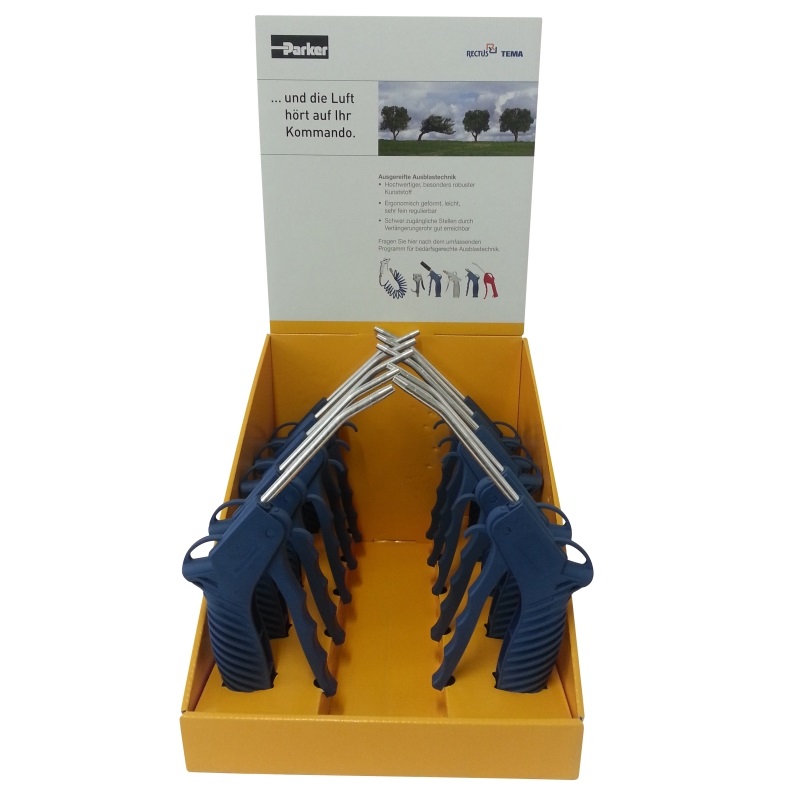
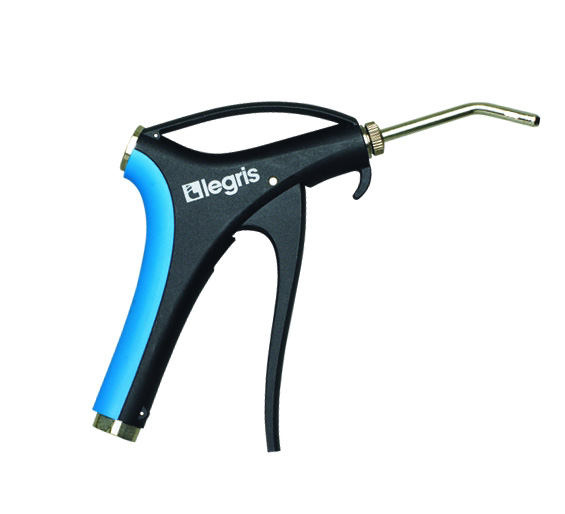
AK13SET
AK 13-Set in display box, synthetic material blue, aluminium - extension tube, female thread G 1/4
€211.84


5-6 workdays
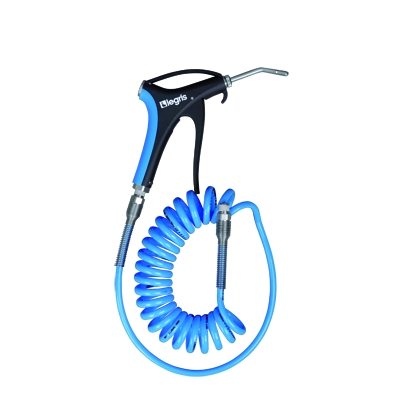
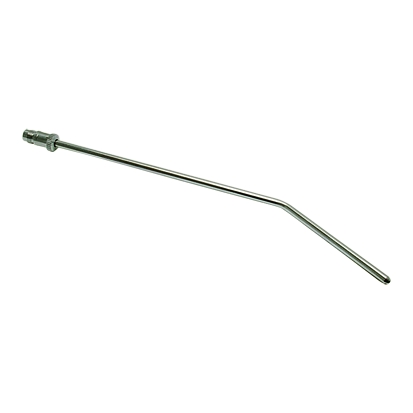
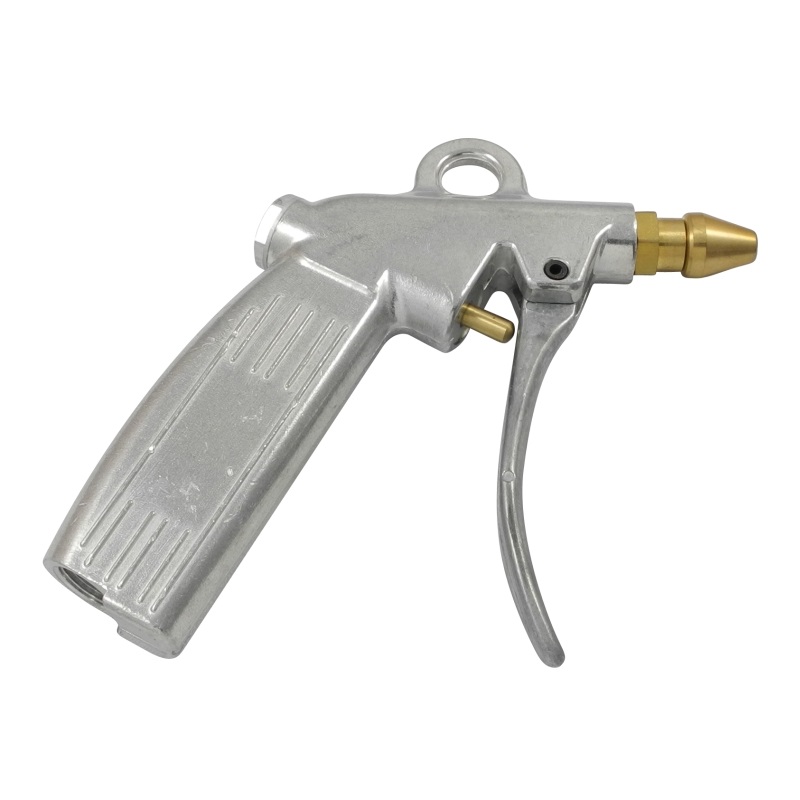
0631 00 05 Blowgun
Blowguns, blowgun kit with angled extension (short), connection below, R1/4
€98.59


Blow Guns — Precision, Safety, and Efficiency in Air Cleaning and Assembly
Blow guns are tool components for targeted compressed air applications in production, maintenance, and quality control. They are used to remove chips, dust, liquid residues, and particles from boreholes, housings, welds, and machine areas without slowing down workflows. On technical category pages like this, you will find products with clear distinguishing features regarding material, design, connections, seal construction, safety features, and performance data — crucial for correct use in the manufacturing industry.Construction and Materials: Selection Based on Environment and Stress
Blow guns are predominantly made of brass, aluminum, stainless steel, or glass-fiber reinforced plastics. Stainless steel (V2A/V4A) is the first choice in corrosive or cleanroom-critical environments because it allows for chemical resistance and easy disinfection. Brass offers a good combination of dimensional stability and cost, is suitable for general workshop applications, and is electrically conductive. Aluminum reduces weight for handheld guns but can corrode in aggressive media. Plastics offer insulation and weight advantages but are less abrasion-resistant and must be checked for temperature resistance. Nozzle tips are often made of hardened steel or stainless steel to resist abrasion from particles or chip impact. For applications with sensitive surfaces, softer mouthpieces or PU protective caps are recommended to prevent scratches.Components and Sealing Technology: Pressure Resistance and Leak-Proofness
Essential components include the handle body, valve mechanism, nozzle, connection thread, and seals. Valves operate as quick-release or thumb valves; quick-release valves minimize air consumption during frequent impulses, while thumb valves allow for finer control. For sealing elements, NBR, FKM (Viton), or PTFE are used. NBR is universal for oils and air, FKM tolerates higher temperatures and aggressive media, and PTFE offers the best chemical resistance and low friction. Sealing materials must be selected according to temperature range, media contact, and pressure level. Connection geometries follow industrial standards: G 1/4", G 1/8" (BSPP) are widely used; in some applications, NPT variants or quick couplings (ISO 6150 A/B/C) are required. Screw/plug connections should be assembled with suitable sealants or gaskets to prevent leaks and minimize pressure losses.Performance Specifications and Operating Parameters
The most important characteristics are operating pressure, air flow rate (l/min or m³/h), noise level, and nozzle configuration. Industrial blow guns typically operate between 4 and 10 bar; for cleaning tasks in production, 6–8 bar is common. Air flow rate and nozzle geometry determine the achievable cleaning effect. Laminar-designed nozzles reduce turbulence and thus noise and pressure losses, while convergent nozzles offer advantages for localized, high thrust. For sensitive components, diffusing nozzles or multi-hole nozzles should be used for pressure distribution. Pay attention to noise pollution: blow guns without silencers quickly generate >95 dB(A). For continuous operation, models with integrated silencers or volume reduction should be chosen to comply with occupational safety limits. Additionally, some models offer pressure limiting valves or pre-setting options to control consumption and maximum outflow velocity.Safety Requirements and Standards
The use of compressed air tools is regulated: in many countries, pressure and noise protection, prevention of dangerous backflows, and safe compressed air lines are mandatory. Pay attention to markings according to relevant standards and to safety functions such as check valves, pressure-limiting units, and ergonomic triggers with dead man's function. Best practice requires never pointing blow guns directly at people or using unsuitable pressure levels in confined cavities.Connections, Accessories, and Compatible Components
Matching hoses, quick couplings, and filters are crucial for system reliability. Fine filters and water separators before the connection extend the life of the gun and prevent seal failure due to condensate or particles. Hose inner diameter, length, and material influence pressure loss and reaction time; short, large-dimensioned hoses reduce pressure drop and increase impulse strength. Also, consider the electrical conductivity of the blow gun in areas with electrostatic sensitivity.Application Fields and Practical Examples
In metalworking manufacturing, blow guns are used for chip removal on CNC machines. Example 1: After a drilling operation, the workpiece and drill spindle are cleaned at 6 bar with a short pulsed air frequency; a narrow, hardened nozzle removes chips from boreholes, while a soft PU protective cap protects the workpiece surface. Example 2: In assembly preparation, circuit boards in the electronics sector are freed from dusty residues at reduced pressure (approx. 2–3 bar) with diffusing nozzles; here, the plastic design of the nozzle prevents electrostatic charging. Example 3: In the food and packaging industry, operators clean housing gaps and conveyor troughs with stainless steel blow guns and PTFE seals to prevent corrosion and contamination; before use, filters and pressure regulators are installed to minimize particle and moisture supply. For the maintenance of large systems, long nozzle designs with adjustable angles are suitable to reach hard-to-access areas without disassembly. Cleaning cycles can be automated by pressure-controlled quick-release valves to reduce air consumption.Selection Criteria: When to Use Which Gun?
* Material environment, maximum operating pressures, required nozzle geometry, noise requirements, sealant compatibility, connection standard, and maintenance access determine the design. For quick purchasing and technical comparisons, pay attention to complete data sheets (operating pressure, air consumption, weight, material, nozzle size), test marks, and maintenance documentation. Additional practical reports and applications can be found under Application Examples and technical background information under Technology.Maintenance, Testing, and Lifespan
Regular inspection of seals, valve seat, and nozzle tip extends the service life. Visual inspections for cracks, abrasion, and deformation take place at defined intervals; worn nozzle tips should be replaced before performance loss. Lubrication points in the valve area should be maintained according to manufacturer specifications; unsuitable lubricant can attack seals. Compressed air treatment (filter, separator, oil/water separator) reduces wear and corrosion. For high stress or critical applications, a replacement schedule based on operating hours and test protocols is recommended.FAQs
1. At what pressure should I operate a blow gun?
For general cleaning tasks in production, 6–8 bar is common practice. Sensitive components and electronics should be treated with 2–3 bar and diffusing nozzles. Maximum pressures are manufacturer-dependent; never exceed the specified operating limit.
2. Which material is suitable for the nozzle with abrasive chips?
Hardened steel or stainless steel is recommended for abrasive chips, as these materials offer high wear resistance. If surfaces need to be protected, a combination with a PU protective cap is advisable.
3. How do I reduce air consumption and noise during continuous use?
Use pressure-limiting valves, silencers, laminar flow nozzles, and automated quick-release valves. Additional air treatment and correct hose dimensioning minimize pressure losses and reduce consumption and noise levels.