
Hydraulic plugs as counterpart for hydraulic couplings
Find the right hydraulic connector for the hydraulic quick coupling. With the associated dust protection cap protect your lines from contamination and dirt.
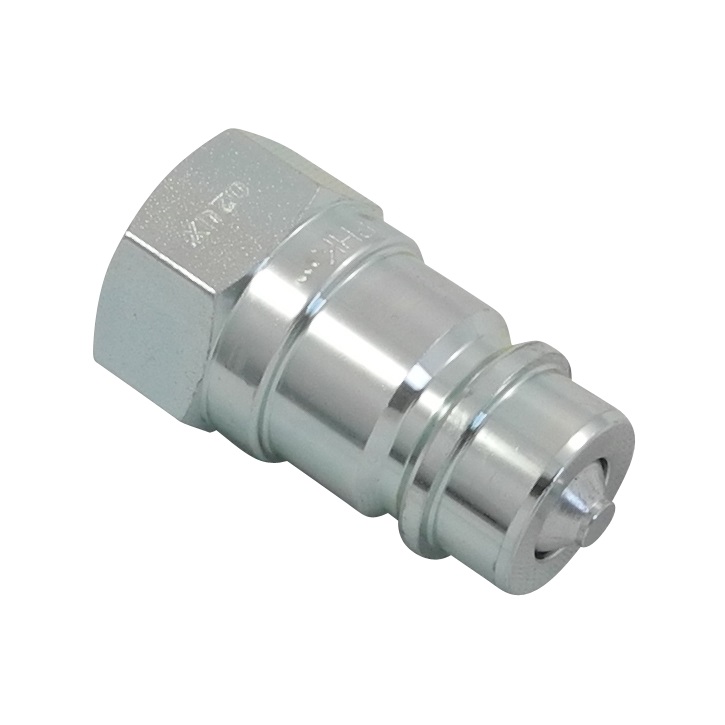
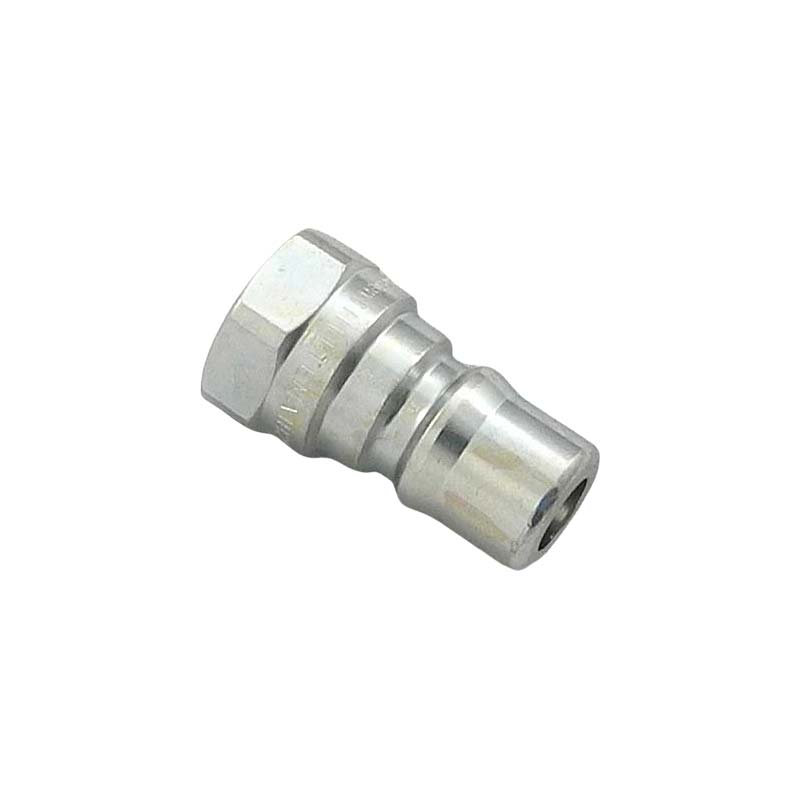
IB2520 UV Hydraulic plug

10020 Hydraulic plug

FEM-502-8FB Hydraulic plug

2520 UV Hydraulic plug
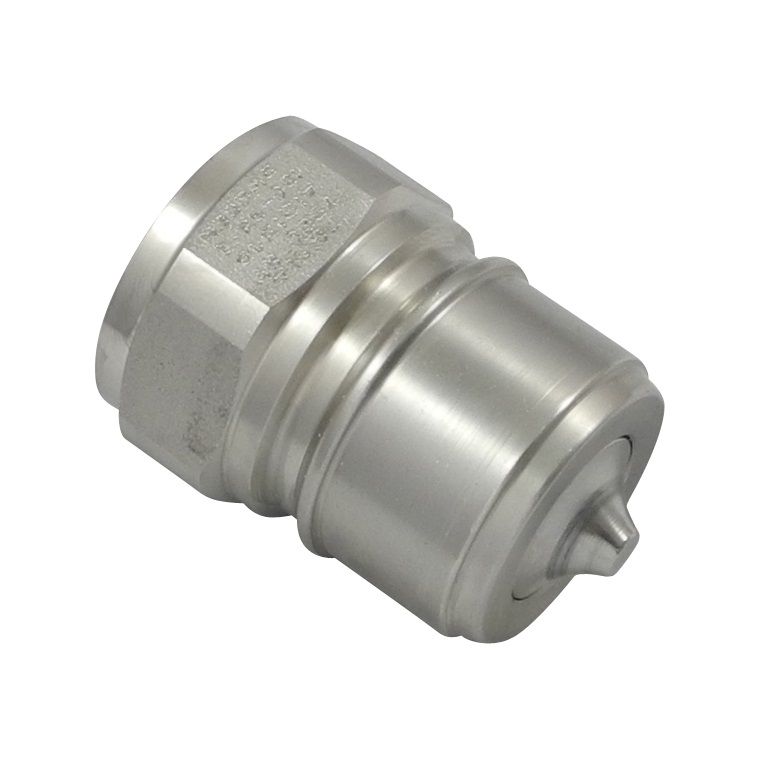
7520 RV Hydraulic plug
FEM-752-12FB Hydraulic plug
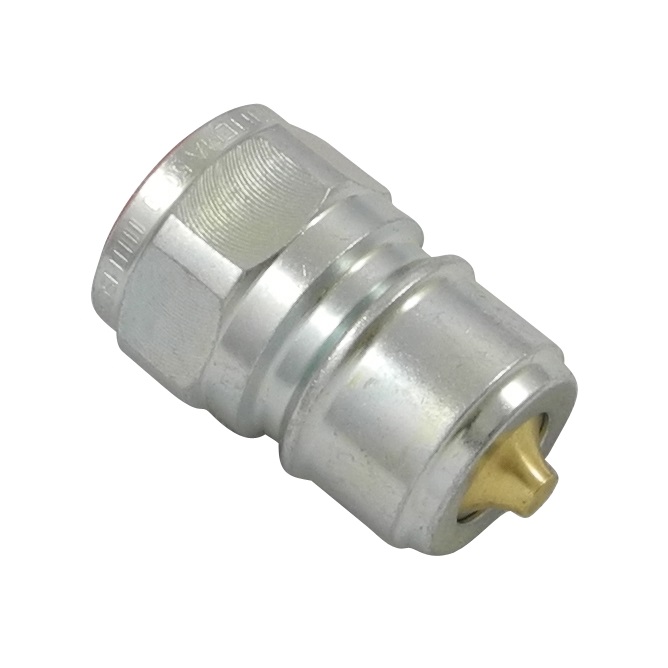
5020 V Hydraulic plug
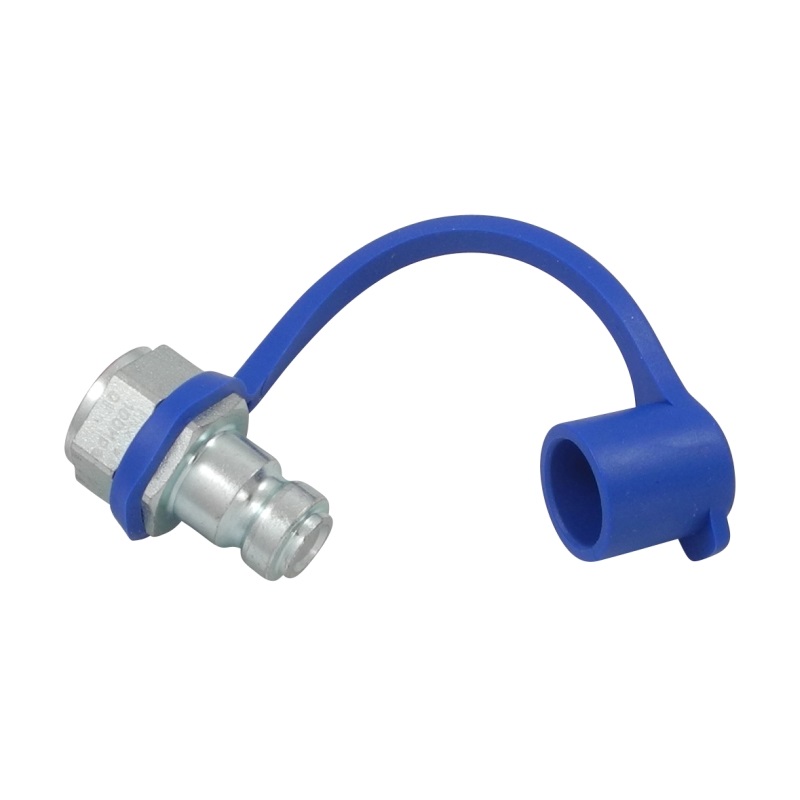
HP1020 413 Hydraulic plug

2520 V Hydraulic plug

IB2521 Hydraulic plug
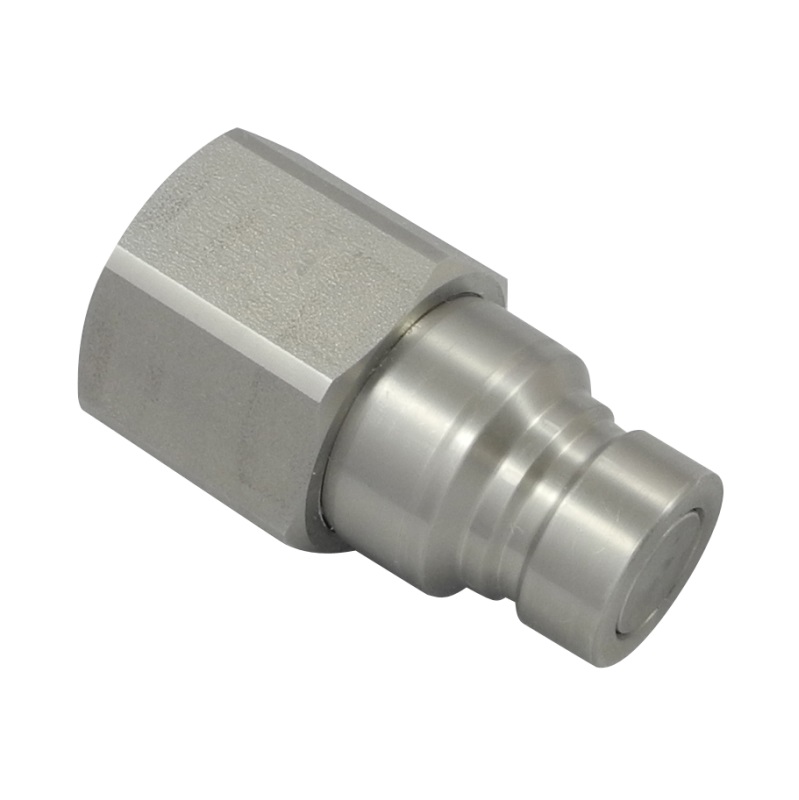
IF5020 RV Hydraulic plug
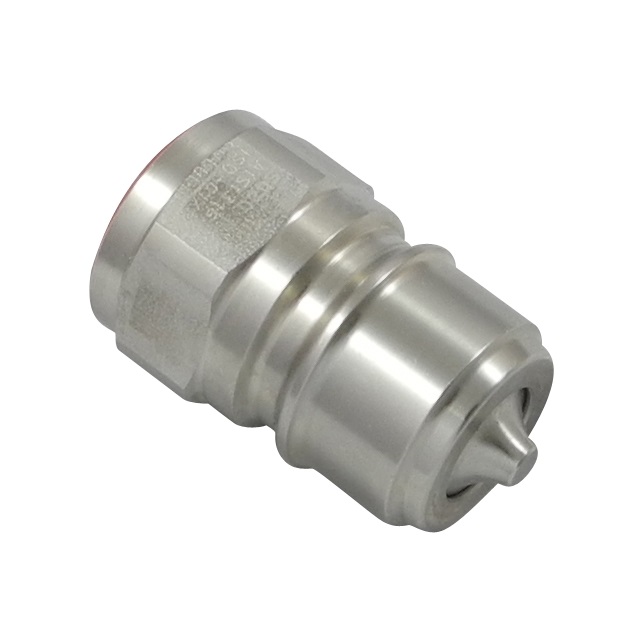
5020 RV Hydraulic plug
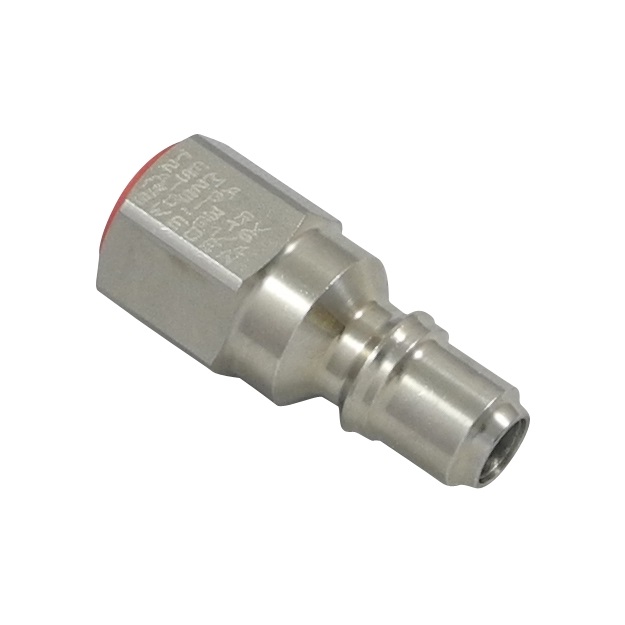
2520 RV Hydraulic plug

FEC-252-4FB Hydraulic plug
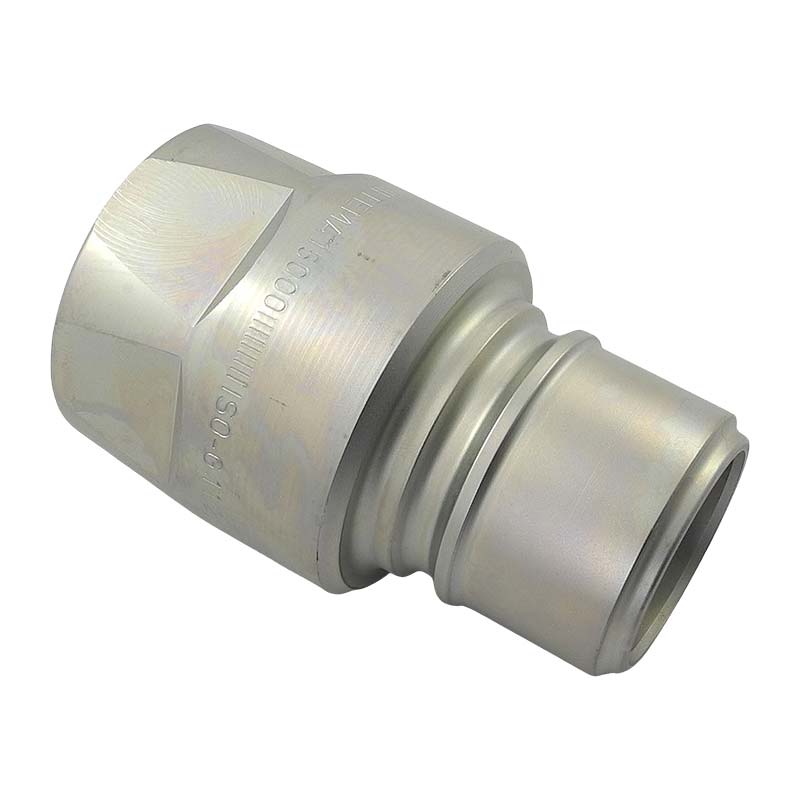
15020 UV Hydraulic plug
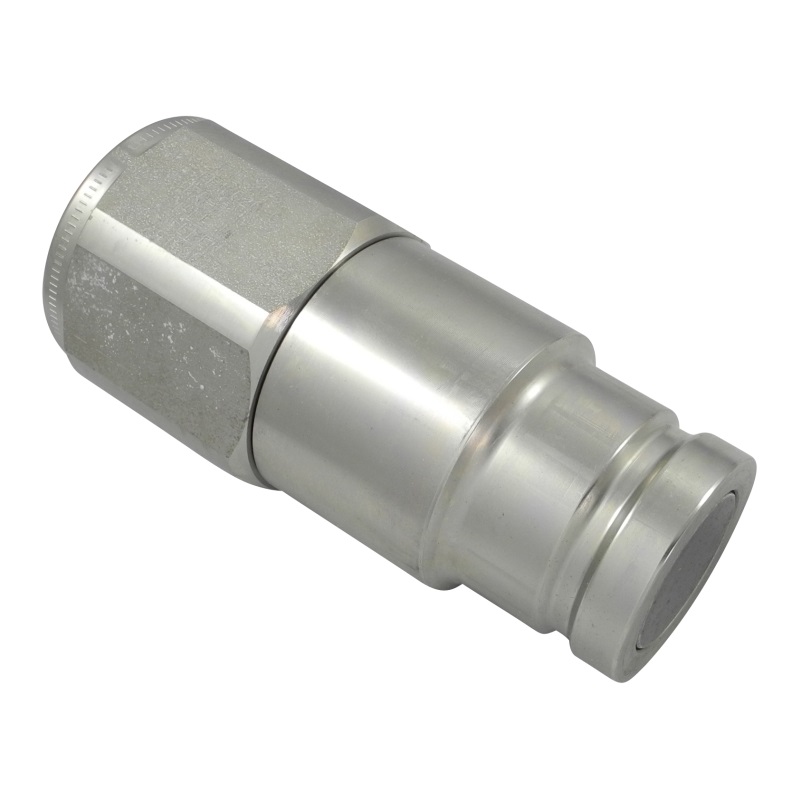
FF10020 C Hydraulic plug
FEM-752-16FB Hydraulic plug
FF7521 C Hydraulic plug
3820 Hydraulic plug

5020 Hydraulic plug

7521-QC Hydraulic plug

2520 Hydraulic plug
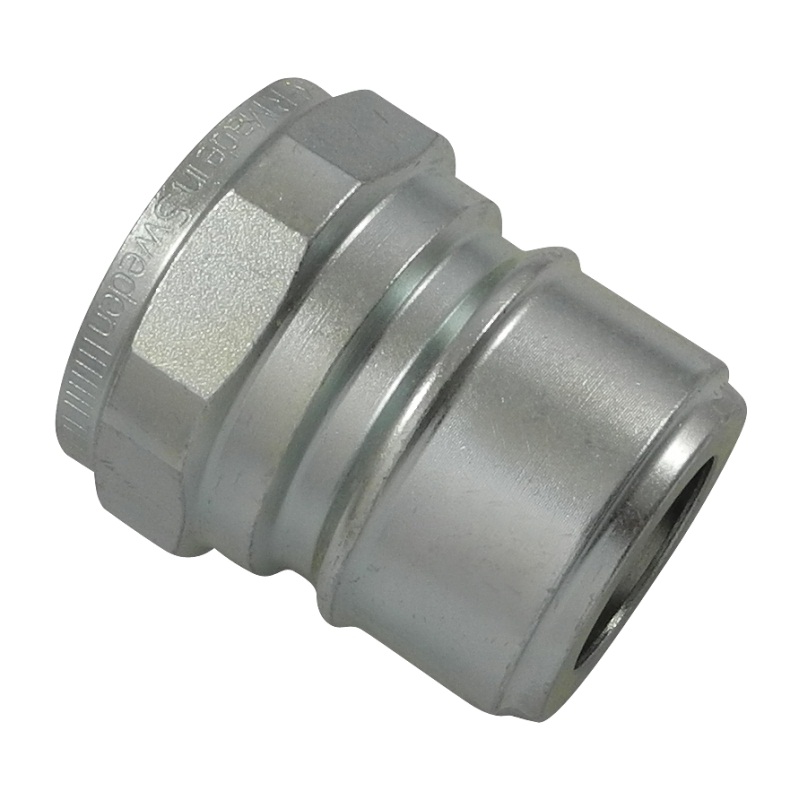
20020 UV Hydraulic plug
Hydraulic Plugs – Definition and Application Area
Hydraulic plugs connect active and passive components in fluid power systems and are the counterpart to hydraulic couplings. Their task is not only the media-carrying connection but also safe closing and opening under pressure, preventing leaks, and quickly and efficiently restoring function after the coupling process.
Hydraulic couplings connect various hoses to each other or hoses to fixed connections. They must be firmly seated yet flexible to ensure a flexible and thus efficient hydraulic system.
At maku, you will find Rectus plugs for hydraulics in various nominal sizes, shut-offs, connection types, and materials, suitable for mobile and stationary applications in the manufacturing industry. This text explains material selection, geometries, sealing concepts, connection types, pressure and temperature ratings, assembly instructions, and specific application examples.
Our Product Range: These Types of Hydraulic Plugs We Offer
At maku, you will find the right hydraulic plug for every application. We offer products in various materials (steel, brass, stainless steel ...) as well as different connection types. Below, we explain the individual options and provide helpful additional information on their properties or your application.
Hydraulic Plugs Made of Various Materials and Coatings
Hydraulic plugs are predominantly made of hardened steel, stainless steel (mostly 1.4404/316L), or brass.
- Steel offers the highest mechanical strength and is standard for high operating pressures; however, steel requires galvanic or phosphated surfaces or nitriding for corrosion resistance.
- Stainless steel is corrosion-resistant to water-glycol or mineral oil-based hydraulic fluids and is suitable for aggressive environments.
- Brass is used for lower pressures, good machinability, and electrical non-conductivity. Sealing and sealing surface materials such as NBR, FKM (Viton), HNBR, or PTFE determine media and temperature resistance; NBR is suitable for mineral oils and moderate temperatures, FKM for higher temperatures and aggressive additives, PTFE for particularly broad media compatibility.
Hydraulic Plugs in Various Designs, Nominal Sizes, and Pressure Classes
Hydraulic plugs are available in straight, angled, and combined designs. It is important to choose the correct nominal size (e.g., ISO 4405/ISO 8434 standardized dimensions or SAE connections) for the application, as nominal size and inner diameter influence volume flow and pressure loss. Standard pressure classes range from low-pressure applications (< 250 bar) to high-pressure and heavy-duty applications (> 400 bar). For mobile applications, compact designs with integrated shut-off are common; in stationary systems, larger cross-sections and flange connections are often used.
Hydraulic Plugs with Connection Types and Threads
The connection type determines the sealing principle and assembly effort. Common connection types are pipe fittings (JIC/37°), BSPP/BSPT, metric threads according to ISO 6149/ISO 11926, SAE flange, and quick-release flange.
Properties of thread types:
BSPP and metric threads usually seal via flat-sealing or conical seat surfaces, while JIC uses a metal cone for sealing. Quick-release couplings according to DIN EN 61535 or ISO specifications combine spring mechanisms and valve shut-offs, so that no significant media release occurs during disconnection. Screw connections require torque-monitored installation, while compression fittings allow simple assembly without pre-processing of pipe ends.
Hydraulic Plugs for Seals, Shut-off, and Leakage Reduction
The sealing design determines the leakage rate, service life, and maintenance intervals.
Variants and application:
Combined plug and valve technologies in modern hydraulic plugs offer automatic shut-off when disconnected, thereby enclosing residual fluid. For applications with high temperature fluctuations, a sealing system with compensation options is required to prevent shrinkage and swelling. For minimal leakage, metal-supported seals or double-sealing concepts are used; the primary elastomer seal provides standard sealing, and a secondary metallic surface provides mechanical strength during pressure surges.
Advantages and Benefits of Hydraulic Plugs for Industry
Hydraulic plugs are a simple, space-saving, and at the same time fast way to connect and disconnect hydraulic hoses. Therefore, their use results in significant time and cost savings. Hydraulic plugs are extremely efficient, flexible, safe, and powerful. Especially models made of stainless steel enjoy great popularity in various industrial environments.
Biggest Advantage: Temperature and Media Resistance
High-quality hydraulic plugs can withstand high ambient and fluid temperatures. Elastomer seals limit the temperature range: NBR typically -30 °C to +100 °C, HNBR up to +150 °C, FKM up to +200 °C. The material selection of the plug also influences oxidation and corrosion resistance in water-glycol mixtures. For your application, check the compatibility list of the sealing material with the hydraulic oil used, including additives, solid content, and water content.
High Operational Safety with Correct Selection and Assembly
Correct assembly of hydraulic plugs reduces leaks and increases operational safety.
Please note the following:
- Use prescribed torques, clean pipe ends, and recommended assembly sealant.
- For quick-release plugs, the locking mechanisms must be checked for functionality before commissioning; spring and ball systems must be free of dirt.
- During maintenance, hydraulic lines must be depressurized and residual pressures monitored.
- For safety-critical applications, the use of plugs with integrated locks that prevent unintentional loosening is recommended.
Application Examples for Hydraulic Plugs – Structured Practical Cases
Practical Example 1: Mobile Hydraulics on Excavator Arm
In a mobile hydraulic application on an excavator arm, a steel hydraulic plug with FKM seal and integrated shut-off is used. Pressure peaks occur at end stops and during rapid positioning movements; the selected plug must withstand continuous pressures up to 350 bar and surge peaks up to 420 bar. Assembly: Deburr pipe end, clean inner and outer surfaces, tighten thread with torque according to manufacturer, functional test for leakage at 1.5 times operating pressure. Advantage: quick disassembly for tool changes without significant oil loss.
Practical Example 2: Press System in Production Line
In a stationary press with large-volume hydraulic cylinders, stainless steel plugs with PTFE backing are used to ensure long-term resistance to additives and occasional water ingress. The plugs are designed as flange connections to absorb axial forces evenly. During maintenance cycles, the couplings are disconnected one after another; the shut-off valves isolate cylinders, allowing repair work to continue at individual stations. Before recommissioning, the system is bled and tightness is monitored via visual inspection and pressure measurement.
Practical Example 3: Test Bench with Changing Media
In a hydraulic test bench that uses various test fluids, brass plugs with interchangeable seals are used. The seals are kept in stock according to the respective test medium (e.g., water-glycol versus synthetic oil) and quickly changed. The assembly allows quick switching of the lines without changing tools. Documentation: Each plug is marked with a material and seal index, and change intervals are recorded in the test bench history.
Selection Criteria for the Right Hydraulic Plug: Our Checklist
When selecting the optimal hydraulic plug for you, you should consider the following criteria:
- maximum operating pressure and pressure surges
- medium compatibility
- temperature range
- nominal size and resulting pressure loss
- connection type and mounting option
- corrosion resistance and material
- seal type and leakage rate
- locking and shut-off mechanism
- ease of maintenance and spare parts availability
Standards, Test Procedures, and Quality Assurance for Hydraulic Plugs
Hydraulic plugs should comply with relevant standards for quick couplings, threads, and pressure tests, such as ISO 7241 (quick couplings), ISO 1179/ISO 11926 (threads and sealing surfaces), and SAE standards for flanges.
Test procedures include leak tests at nominal and overpressure, fatigue tests for locking mechanisms, corrosion resistance tests according to salt spray, and temperature change tests. Documented test protocols and batch traceability are crucial for industrial applications.
Procurement of Hydraulic Plugs and Spare Parts
The purchase of the correct plugs and their proactive stocking are important for quick assembly or rapid replacement of damaged parts. Our tips for this:
When purchasing, pay attention to complete specification details: nominal pressure, nominal diameter, sealing material, housing material, thread form, and required test certificates (e.g., EN 10204 3.1). Keep spare seals and locking elements in stock, especially for systems with high operating times. For further technical data sheets and application cases, we link to our technical pages and practical examples: Technology and Application Examples.
Buy Hydraulic Plugs Affordably at Maku Industrie Now
If you need hydraulic plugs or couplings for your daily work, then we are the right partner for you. We carry high-quality products from renowned brand manufacturers in the industrial sector. Thanks to our own warehouse with high availability, we can guarantee reliable delivery. We also conclude framework agreements with our customers and offer expert advice, which you can take advantage of by phone, email, or live chat. Feel free to use our contact form online. In addition, benefit from special offers at particularly favorable prices.
FAQ
Which seal on the hydraulic plug is the first choice for mineral oil-based hydraulic fluid?
Most commonly, NBR (acrylonitrile-butadiene rubber) is used for mineral oils, which is ideally suited for moderate temperatures from minus 35°C to +120°C. Up to 150°C, you can use HNBR for mineral oil and synthetic oils. For even higher temperatures (up to 230°C) or aggressive additives, FKM is recommended. We will be happy to advise you on the selection of compatible hydraulic plugs, hydraulic couplings, seals, and hydraulic fluids.
How can oil loss be avoided when disconnecting hydraulic plugs?
To avoid oil loss, always use hydraulic plugs with integrated shut-off and valve technology (closed quick couplings) for safety. Before disconnecting, the system must be depressurized, and a collection device should be used if necessary. Regular maintenance of the locking elements reduces leaks during disconnection. Also, make sure to check the seals regularly.
Which tests are necessary before commissioning a hydraulic plug or hydraulic connection?
Before commissioning a hydraulic plug or hydraulic connection, you should first perform leak tests at nominal and 1.5 times operating pressure. Afterwards, thorough functional tests of the shut-off mechanism and a visual inspection for damage are necessary. Very important: Carefully document all measurement results and compare them with manufacturer specifications to ensure safety and leak-free operation.