
The Right Clutch for Your Application
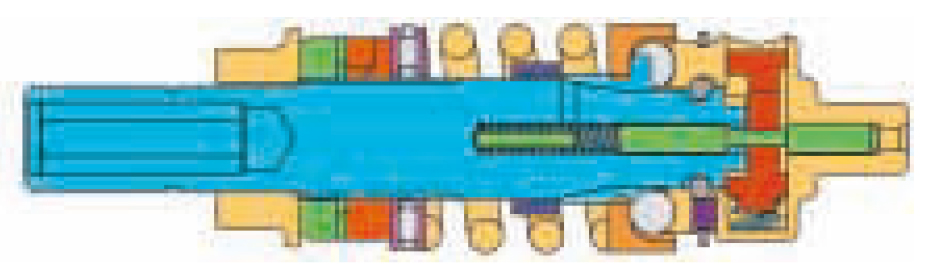
A tool with Clecomatic starts to rotate when pressure is applied to the bit. It shuts off when the preset torque is reached during the driving of the fastener. This feature and the patented clutch mechanism ensure high long-term repeatability of the torque setting. This means higher quality end products. Since the tool does not have to be held on the fastener until the target torque is reached, production can be increased by 10 percent or more. The short cycle time of Clecomatic screwdrivers reduces tool wear and spare parts consumption. The service life of Clecomatic tools is up to five times longer than trigger-operated screwdrivers with a ratchet clutch.
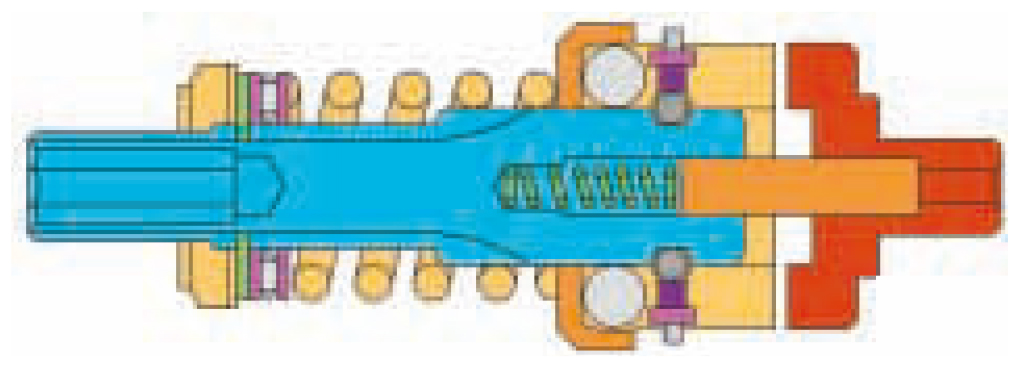
In tools with a Roll-Impulse Clutch, the clutch has two pairs of claws: one pair works with frictional engagement, so that the bit only rotates when the tool is pushed forward. The second pair is equipped with large spherical depressions and steel balls that together enable a smooth rolling motion. This design ensures maximum service life of the clutch surfaces, reduces shock load and vibration, while simultaneously improving torque control. All tools with a Roll-Impulse Clutch are started with a lever or trigger.
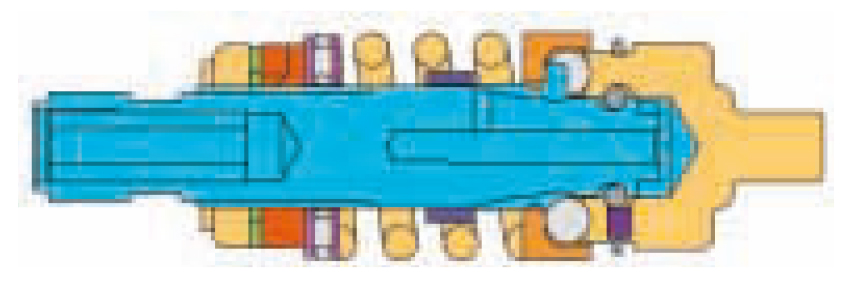
Autostart screwdrivers have a unique rolling clutch. Like the Clecomatic screwdrivers, an Autostart screwdriver also starts running when pressure is applied to the bit. However, the tool only stops when it is pulled away from the workpiece. Tools equipped in this manner are excellently suited for non-trigger applications and are an ideal alternative to the fully automatic Clecomatic screwdrivers.

In Stall Screwdrivers, the output spindle is directly connected to the motor shaft without a clutch. The applied torque in this tool type can be controlled within acceptable limits using a pressure regulator. Stall screwdrivers are started with a trigger.