
Rectus hydraulics parts overview
Hydraulic couplings and hydraulic plugs as well as dust protection by Parker Rectus for medium pressure and high pressure circuits. In the medium pressure range up to 300 bar, we offer you hydraulic quick couplings from Rectus with ISO profile, TEMA profile and Parker profile. Hydraulic high-pressure couplings up to 1500 bar are ideally suited for the requirements in mobile hydraulics and stationary industrial hydraulic systems.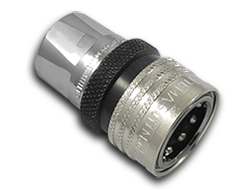
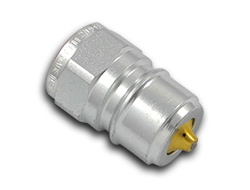
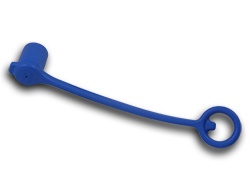
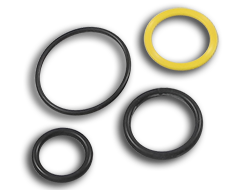
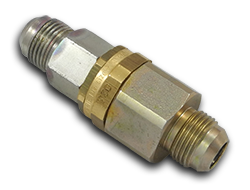

Rectus Hydraulic Program – Components for Robust, Leak-Tight, and Durable Hydraulic Connections
The Rectus hydraulic program includes quick couplings, plugs, valves, swivel joints, dust caps, and seal kits for industrial hydraulic applications. The focus is on reliable transmission of pressure, flow rate, and torque with minimal leakage and easy maintenance. The components are designed for mineral oil-based hydraulic fluids, HLP, HLPD, as well as synthetic and biodegradable hydraulic oils; for use with other media, material and seal selection must be checked in advance.
Material and Design Selection
Housing materials for Rectus hydraulic couplings and plugs are predominantly hardened steel with galvanized or nickel-plated surfaces, as well as corrosion-resistant stainless steel (AISI 316) for corrosive environments. Materials influence pressure resistance, wear behavior, and corrosion resistance. For mobile applications and machinery used in saltwater or chemical environments, stainless steel is recommended; for standard industrial applications, hardened steel offers the best combination of strength and cost. Sealing materials include NBR (nitrile rubber) for standard oils, FKM (Viton) for higher temperatures and aggressive media, and FEP-encapsulated seals for low gas permeability and high chemical resistance.
Design Features and Sealing Technology
Rectus couplings primarily feature a flat-face design to prevent dripping during disconnection. Flat-face couplings reduce dead volume and prevent contamination of the line by hydraulic oil. Drip-free couplings with integrated shut-off mechanisms seal upon disconnection, minimizing product and workplace contamination. Plug connections are available in internal and external thread variants, with Metric and BSP standards; special connections such as ORFS and JIC are available upon request. Mechanical locking mechanisms are designed as quick-release fasteners with push-to-connect, screw, or bayonet locking to meet various operating requirements.
Performance Data and Typical Application Limits
The pressure ranges of Rectus hydraulic components cover typical industrial values: low-pressure to medium-pressure systems up to approximately 350 bar, depending on design and connection. Temperature ranges vary with seal selection: NBR typically -30 °C to +100 °C; FKM up to +150 °C; PTFE/FEP solutions for higher peaks. Flow characteristics are component-dependent; flat-face variants have slightly higher pressure losses than large standard couplings but offer significantly lower dead volume and better cleanliness. For precise design, nominal diameter, Cv value or Kv value, and permissible pressure losses are crucial.
Connection Types, Assembly, and Coupling Principle
Rectus plugs are offered in metric internal and external threads, BSP-P and BSP-R, JIC, and ORFS. Assembly is carried out according to standards with tightening torques that prevent vibration-induced leaks. For rotated assembly, swivel joints with integrated swivels or swivel joint modules should be preferred to eliminate twisting of the line routing and increase hose lifespan. For mobile units, a combination of swivel-centered line routings and easy-to-operate quick couplings is recommended to minimize assembly times.
Maintenance, Seal Kit Replacement, and Wear Analysis
Regular visual inspection for external damage, seal cracks, corrosion, and locking mechanisms is mandatory. Seal kits are available as complete service kits and include O-rings, retaining rings, and protective caps for quick on-site replacement. Replacement intervals depend on stress, medium, and temperature cycles; for critical applications, interval documentation and inspection after defined operating hours are recommended. Wear analysis includes flow measurement, leak testing under operating pressure, and optical inspection of contact surfaces after disassembly. Spare parts should be stored so that seals are not exposed to UV or ozone.
Practical Examples
Hydraulic pallet fork on forklift (mobile application): Use of Rectus flat-face quick couplings with NBR seals on working cylinders. The quick couplings are mounted on pipelines with a metric connection system; during coupling and uncoupling, hydraulic circuits remain sealed, dripping is avoided, and the risk of oil contamination on loading areas is reduced. Swivel joints in the line prevent twisting when pivoting the forks.
Test bench for hydraulic cylinders (stationary application): Use of nickel-plated steel couplings with FKM seals for temperature resistance during temperature test cycles. Pressure relief valves in the system protect against overload; pressure and flow sensors monitor characteristics. If necessary, seal kits are changed before each series test to ensure constant test conditions. The combination of flat-face couplings and dust-tight protective caps reduces contamination in the test bench.
Hydraulic units in food packaging (clean environment): Stainless steel couplings with PTFE-encapsulated seals prevent contamination by oil or gases. Connection areas are protected with dust caps when units are temporarily uncoupled. Regular replacement of seal kits after a defined cycle ensures process hygiene.
Compatibility, Standards, and Test Procedures
Rectus components comply with common industry standards for hydraulic couplings and sealing technology. Certifications and material certificates are available upon request. Test procedures include leak testing under operating pressure, endurance tests, and corrosion tests according to relevant standards. For integration into complex systems, pressure relief valves should be used to protect against pressure peaks.
Procurement, Spare Parts, and Service
The range includes individual components and complete repair kits. Seal kits are available as items for quick maintenance. Advice on selecting hydraulic couplings, hydraulic quick couplings, and suitable dust caps is documented on product pages and in our technical overviews. Further technical background and application examples can be found under Technology and Application Examples.
Selection Recommendation – Decisive Criteria
- Medium compatibility, pressure range and temperature, connection standard, dead volume/drip-free operation, material resistance, and maintenance accessibility
FAQ
1. Which seal should be chosen for high temperatures and aggressive hydraulic fluids?
For high temperatures and aggressive media, FKM (Viton) or PTFE/FEP-encapsulated seals are recommended. FKM offers temperature resistance up to approx. +150 °C; PTFE-encapsulated seals reduce gas permeability and chemical attack but require consideration of installation position and hardness.
2. How do I prevent dripping when disconnecting hydraulic connections?
Flat-face couplings with integrated shut-off prevent dripping due to minimal dead volumes and closed valves during disconnection. Additionally, dust caps should be used to prevent dirt ingress into the open connections.
3. When should a seal kit be changed?
Replacement should be carried out when cracks, deformations are visible, or after defined operating hour cycles. In test benches and critical process environments, a preventive change before series runs is recommended. Documented inspection intervals and test protocols ensure constant operating conditions.