
Buy Rectus hydraulic components online
Hydraulic couplings and Hydraulic plug and Dust protection caps from Parker Rectus for medium and high pressure circuits. In the area of medium pressure up to 300 bar, we offer you hydraulic quick couplings from Rectus with ISO profile, TEMA profile and Parker profile. Hydraulic high-pressure couplings up to 1500 bar are ideally suited to the requirements of mobile hydraulics and stationary industrial hydraulic systems.
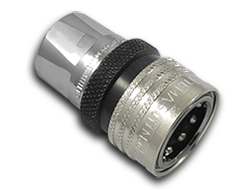
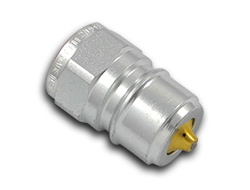
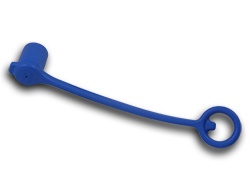
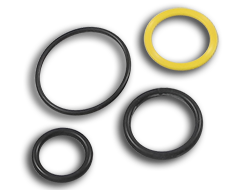
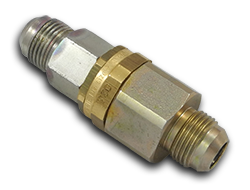

Rectus Hydraulic Range Components – For Tight, Secure Hydraulic Connections
This range includes quick couplings, hydraulic plugs, valves, swivel joints, dust caps, and seal kits for industrial hydraulic systems. The focus is on drip-free couplings (especially flat-face couplings), standardized connection types, and durable sealing systems to minimize leaks, contamination, and downtime. Technical details regarding materials, designs, connections, and seals determine the selection and applicability of these components in mobile machinery, production lines, and hydraulic test benches.
Materials and Surfaces
The corrosion resistance and mechanical strength of the components are largely determined by the material used. Typical materials include scaled steel, electro-galvanized or nickel-plated steel, hardened nitrided steel, and stainless steel (1.4301 / 1.4404) for media- or environment-aggressive applications. Bronze or brass bushings are used where sliding pairs and damping are required. Surface treatments such as phosphating, zinc/nickel coatings, or DLC coatings reduce wear and improve compatibility with hydraulic fluids.
Designs and Connection Variants
Rectus hydraulic components are available in various designs: flat-face and standard couplings with internal or external plugs, inline and angled plugs, screw-in and screw-in threaded fittings, and quick-change adapters. Connection threads comply with common standards (BSPP/ISO 228, BSPT/ISO 7, SAE UN/UNF, metric ISO threads) and are supplied in cylindrical or conical versions depending on requirements. Important selection criteria include nominal pressure, flow rate (l/min), fluid compatibility, and maximum operating temperature.
Sealing Systems and Leakage Protection
The sealing technology determines drip-freeness and service life. Elastomers such as NBR (Buna-N), FKM (Viton), EPDM, and PTFE-integrated seals are used for chemically demanding media. For high pressures and dynamic movements, hydrodynamic sealing forms and multi-stage sealing ring systems are employed. Seal kits contain precisely fitting O-rings, check valve seals, plunger sleeves, and screw covers for repair without adaptation work. In flat-face couplings, special flat-face and valve geometries prevent dripping during disconnection and reduce air ingress and dirt absorption.
Valves and Pressure Relief
The range includes multiple valve types: blocking and shut-off valves, pressure limiting and pressure relief valves, check valves, and integrated bleed valves. Pressure relief valves
protect circuits from overpressure peaks and allow controlled depressurization during maintenance. Select pressure relief valves with adjustable spring preloads and suitable flow rates to prevent cavitation and pressure surges on sensitive components. Valve housings made of high-quality steel or aluminum reduce weight while maintaining sufficient strength at specified operating pressures.
Swivel Joints and Moving Connections
Swivel joints with rotating or pivoting lines prevent hose abrasion and kinking in applications with moving axes. The core element is a reliable seal between the static and rotating parts; for this, multi-acting labyrinth seals or hydraulically relieved O-ring systems are used. Check the permissible rotational speed, maximum torque, and compatibility with existing hose dimensions before integration into rotating units.
Dust Caps and Handling
Dust caps protect exposed coupling surfaces and threads from dirt ingress and corrosion during storage and downtime. They are made of abrasion-resistant plastics or rubber and are often equipped with safety lanyards, clips, or quick-release fasteners. For maintenance-intensive machines, correctly applied protective caps reduce failure risks and extend cleaning intervals.
Compatibility and Interchangeability
Rectus components are designed to be interchangeable in existing hydraulic systems. Check the nominal pressure ratings and seal types when, for example, replacing a hydraulic coupling with a drip-free hydraulic quick coupling. Pay attention to combinable valve plugs and pressure relief valves regarding flow direction, valve opening, and return flow behavior to avoid functional changes. Adapters and transition pieces allow conversion between BSP, SAE, and metric systems without loss of tightness, provided the seal type and material are correctly chosen.
Practical Examples
Example 1 – Mobile Hydraulics: Quick Couplings with Flat-Face Technology In a mobile excavator, standard couplings were replaced with flat-face hydraulic quick couplings. Result: reduced oil contamination during daily attachment changes, reduced maintenance times, and elimination of drips on lubrication hoses. Selection criteria included a coupling with NBR seals for mineral oil-based hydraulic fluid, operating pressure 420 bar, and a compact design for mounting in confined machine frames. Example 2 – Production Line: Pressure Relief Valves for Process Safety
In a production line with hydraulically actuated clamping systems, adjustable pressure relief valves were installed before each manifold. This led to uniform clamping force, less damage to seals from pressure peaks, and predictable shutdown during maintenance. Important was the selection of a valve with finely adjustable spring force and compatible installation length for the existing manifold block. Example 3 – Test Bench: Swivel Joints for Simulating Rotating Consumers A hydraulic test bench for engine testing received a swivel joint with an internal flow channel and PTFE-backed seals. This allowed hoses to be fixed to the test specimen while still running torque-laden operating cycles without hoses kinking or seals excessively abrading. Specification: max. 300 bar, 360° rotation range, compatible with synthetic hydraulic oil.
Installation, Testing, and Maintenance
During installation, clean working conditions, suitable sealants, and correct tightening torque are crucial. Before commissioning, couplings must be checked for leaks and function; pressure tests with defined ramps prevent shock loads. Seal kits should be replaced during each overhaul. Do not use silicone-containing agents for cleaning before installing NBR seals. Document installation locations, materials used, and seal specifications for later replacement.
Standards, Marking, and Selection Criteria
Important standards for hydraulic connections are DIN EN ISO 7241 (quick-release couplings), ISO 8434 (fittings), and SAE J514. Markings on couplings indicate nominal pressure, diameter, and serial numbers. Key selection criteria are: required nominal pressure, flow rate, seal material compatibility with the hydraulic medium, temperature range, thread type, and installation dimensions. For technical data sheets, application examples, and further information, please visit the central technical page or specific application examples: https://maku-industrie.de/technik and https://maku-industrie.de/anwendungsbeispiele. Further product variants and spare parts can be found directly in the Hydraulics shop section: Category Hydraulics.
Quick Check Before Ordering
- nominal pressure
- connection thread
- sealant
- media compatibility
- temperature range