
Buy low-priced accessories for hoses online
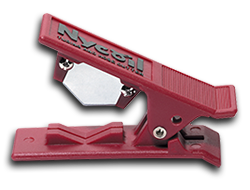
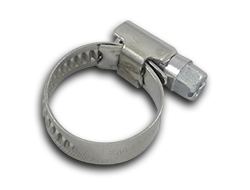
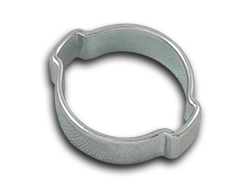
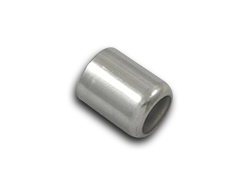
For the safe connection of quick couplings and plugs to the hose, accessories are required. With hose clips, worm drive hose clips and ferrules, the connections to the hose can be fixed. A clean cutting of the hose without oblique or frivolous cut allows a professional hose cutter.
Order Hose Accessories Online at Favorable Prices
These hose accessories are aimed at users in manufacturing, mechanical engineering, and maintenance who require durable, leak-proof, and secure connections. Here you will find hose clamps, hose clips, crimp sleeves, and hose cutters tailored to different materials, diameters, and pressure requirements. The focus is on technical precision: selection criteria include material compatibility, ease of assembly, operating temperature, and media-resistant seals. The text explains designs, connection variants, sealing techniques, and practical installation tips to help you quickly identify the right component for your application.
Materials and Designs
Hose accessories are manufactured from stainless steel (AISI 303, 304, 316), galvanized steel, brass, aluminum, and technical plastics. Stainless steel 316 offers corrosion resistance in aggressive environments and is the first choice for marine or chemical applications. Brass is frequently used for pneumatic and drinking water connections due to its good machinability and tight threads. Plastic components (PA, PP, PVDF) are lightweight, chemical-resistant, and ideal for acids, alkalis, or low mechanical stress. Hose clamps and hose clips are available as band clamps, ear clamps, S-type, and quick-release clamps; crimp sleeves are available as one-piece or multi-piece versions and in crimp or press variants. Hose cutters are offered as blade or ratchet models; for precise, burr-free cuts, knives with stainless steel blades and adjustable guide rails are suitable.
Connections, Sealing, and Media Compatibility
The correct connection type determines leak-tightness and serviceability. Screw-on hose clamps combined with shaped fittings (barb) are easy to assemble but have limited security under vibrations. Crimp sleeves create a positive-locking connection and are preferred for hydraulic and high-pressure applications. For gas lines and compressed air connections, combination solutions with O-rings (NBR, FKM, EPDM) are common; the choice of sealant depends on the medium and temperature range. NBR is suitable for oils and general industrial applications up to approximately 120 °C, FKM for high temperatures and aggressive media up to 200 °C, EPDM for water and steam. For food standards, materials must comply with relevant certifications; this often requires special stainless steel or food-grade plastic components.
Mechanical Design and Installation Tips
Calculate the required clamp width and strength class based on hose diameter, internal pressure, and ambient load. Narrower clamps distributed over a larger width reduce clamp edge pressures and extend the service life of the line. When crimping, the correct crimp depth and die are crucial; incorrect crimping leads to leaks or hose damage. During assembly, pay attention to clean cut surfaces, uniform pressing, and suitable tools: hand crimping pliers for low quantities, hydraulic presses for series production. For reusable quick-release clamps, check the clamping force after assembly and perform regular visual inspections for corrosion and crack formation.
Practical Application Examples
Example 1 — Cooling Circuit in a CNC Machine: A 12 mm silicone hose was used in a coolant circuit with emulsified oil. Due to vibrations and medium system pressure, stainless steel band clamps with a wide contact surface were used, combined with EPDM O-rings at fixed connection points. Installation involved tightening torques according to manufacturer specifications and regular visual inspections at 3-month intervals. Result: Reduction of localized abrasion damage and stable leak-tightness over 18 months.
Example 2 — Pneumatic Tool in an Assembly Cell: Quick-release couplings and brass barb fittings were installed for compressed air lines (6 mm, 8 bar). The connection was made with one-piece crimp sleeves and re-releasable tension clamps to allow for quick replacement cycles. The use of NBR seals reduced leakage risks. Installation times and leak tests after each reconfiguration were documented.
Example 3 — Chemical Transport in a Laboratory Application: For aggressive media, a PVDF hose was combined with brass union fittings and FKM O-rings. Stainless steel crimp sleeves mechanically secured the connection, while the material pairing ensured chemical resistance. A pressure test at 1.5 times the operating pressure was carried out before commissioning.
Product Selection-Oriented Decision Aid
Make your choice based on the following criteria: medium, operating temperature, system pressure, necessary reusability, and environmental conditions such as corrosion or mechanical stress. Pay attention to standards and test marks, such as DIN, ISO, or specific industry standards. For quick orientation and technical data sheets, we link to the technical pages and application examples: Technology and Application Examples. Use the specifications on the product pages for diameter, material, and installation dimensions to order suitable clamps and crimp sleeves without rework.
Maintenance, Spare Parts, and Service Life
Maintenance reduces downtime. Check clamps for torque loss and corrosion, seals for cracking and hardening, and hoses for surface damage. Plan preventive replacement for critical applications: seals annually, tension clamps with visible corrosion or after 3–5 years depending on use. Spare parts should be stocked in identical material and strength classes to avoid compatibility problems. Document replacement intervals and part numbers used for quick procurement.
Standardized Materials (Selection)
- Stainless steel 304/316, brass, galvanized steel, PA, PP, PVDF, Seals: NBR, EPDM, FKM
Labeling, Traceability, and Ordering Information
For industrial applications, we recommend documented batches and clear material markings. Order clamps and sleeves in the appropriate size for the hose inner diameter; if unsure, measure the hose inner diameter and wall thickness. When ordering crimp parts, note the required crimp die. Use complete part numbers to avoid incorrect material versions.
Specific Selection Recommendations
Choose stainless steel band clamps for corrosion protection and high hygiene requirements, ear clamps for permanent, inexpensive connections at low to medium pressures, crimp sleeves for high-pressure and safety applications, and quick-release clamps where frequent disassembly is required. Use FKM O-rings for high temperatures or aggressive media and NBR for oils and general industrial applications.
FAQs
1. How do I choose the right hose clamp for my compressed air circuit?
Measure the outer diameter of the hose and calculate the required clamp width based on operating pressure and vibration. For compressed air up to 10 bar, stable band clamps with a wide contact surface or crimp sleeves are recommended; for high vibration loads, positive-locking crimp connections are preferable.
2. When are crimp sleeves preferable to screw clamps?
Crimp sleeves are preferable at higher pressures, vibrations, or when a permanent, positive-locking connection is required. Screw clamps offer flexibility and easy readjustment but are less secure under dynamic loads.
3. Which seal is suitable for aggressive chemicals?
For aggressive chemicals, FKM (Viton) and PVDF-compatible materials are recommended. Material selection must be checked based on a specific list of media and temperature; in case of doubt, consult material data sheets and compatibility lists.