
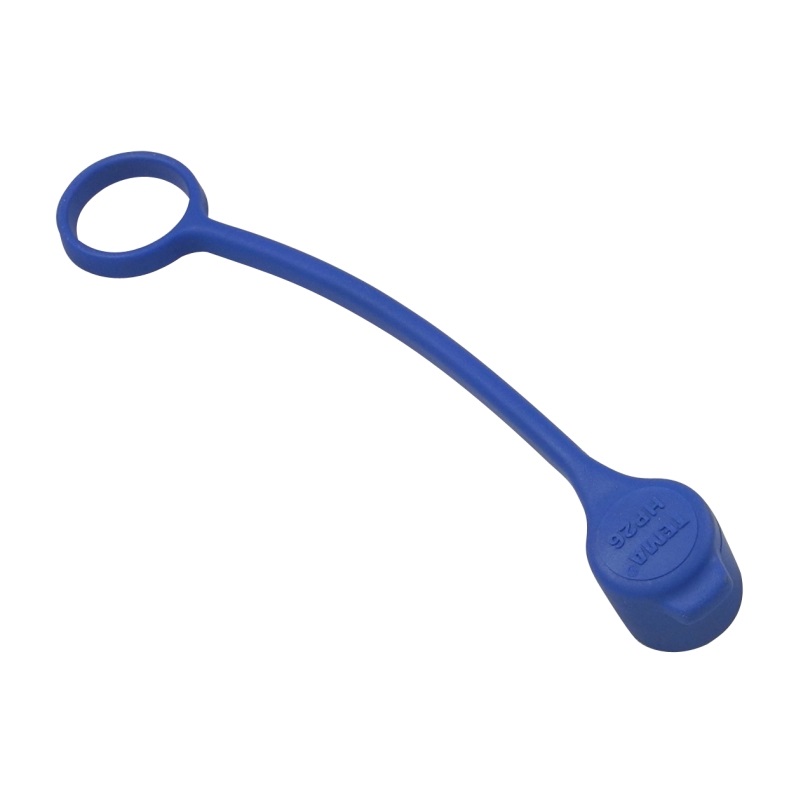
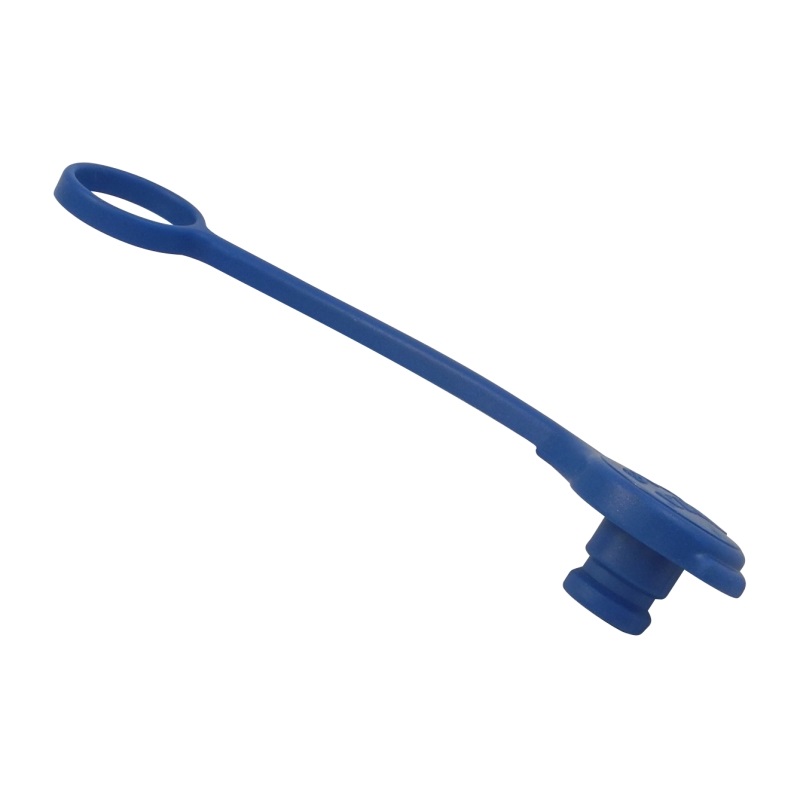
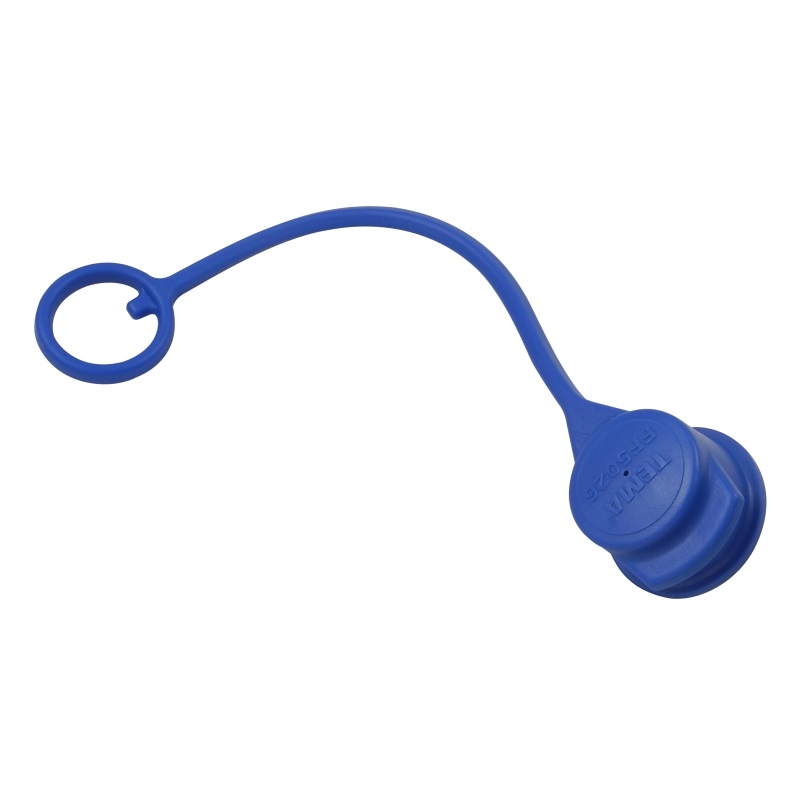
High quality dust protection to cover your plugs and couplings.








High-Quality Dust Caps: Protection for Plugs and Quick Couplings
Dust caps prevent contamination, mechanical damage, and corrosion on plugs and quick couplings. In industrial manufacturing environments with dust, chips, or fine particles, the right dust cap ensures preserved sealing surfaces, reliable connection properties, and extended service life of couplings. Relevant selection criteria include material, fit, design, and resistance to media and temperature. This text provides specific information on designs, materials, fastening types, operating conditions, and practical application cases.
Materials and Material Properties
Materials determine sealing integrity, wear resistance, and chemical resistance. Elastomers such as NBR (nitrile), EPDM, or Viton (FKM) offer elastic sealing and are suitable when plugs with tight tolerances need protection. Silicone caps are temperature-stable, ideal for high or very low temperatures, but less resistant to abrasion. Hard plastics like polyethylene (PE) or polypropylene (PP) are used when dimensional stability and impact resistance are required; they are particularly suitable for preventing deformation during storage and and transport. Metallic protective caps made of aluminum or stainless steel serve as robust covers for high mechanical stresses or when electrically conductive solutions are needed. Materials should be checked for compatibility with media: hydraulic oil, brake fluid, coolants, or corrosive gases can attack elastomers; manufacturer's specifications and technical data sheets are authoritative.
Designs and Fit Accuracy
Dust caps are available in closed, open, threaded, or push-on forms. Closed caps completely seal the end and prevent moisture ingress; open variants allow for ventilated or thinly designed connections when rapid pressure equalization is required. Push-on caps with an overlay or clamp guarantee a form-fitting connection and facilitate handling during frequent assembly. Threaded caps with internal threads offer a secure hold on external threads; here, thread profile and dimension are relevant to avoid damage to the connection threads. Precise fit is crucial: caps that are too tight can deform plugs, while loose caps offer little protection. Check tolerance specifications and any existing standard references (e.g., ISO or DIN dimensions).
Seals, O-Rings, and Media Compatibility
Many dust caps integrate sealing cords or O-rings for additional sealing. NBR O-rings are widely used, while FKM O-rings offer higher chemical resistance and temperature stability. For applications with aggressive media or high temperatures, metal-clad seals or special elastomer compounds are required. Pay attention to specifications for hardness (Shore A) in elastomers: softer materials seal better with low forces, harder materials resist mechanical stress better. In electrical or hydraulic systems, the seal must be designed to ensure contact surfaces remain undamaged and leaks are excluded.
Temperature and Chemical Resistance
Temperature operating ranges vary widely: silicone caps typically withstand -60 °C to +200 °C, NBR up to about +120 °C, FKM up to +200 °C; plastics and metals have their own limits. Chemical resistance depends on media such as hydraulic oils, solvents, or cleaning agents. Tests against the actual operating media are required. For intermittent use in splash water environments, the protection class should be considered; IP or similar classifications provide information on ingress protection.
Connections, Fastening Types, and Handling
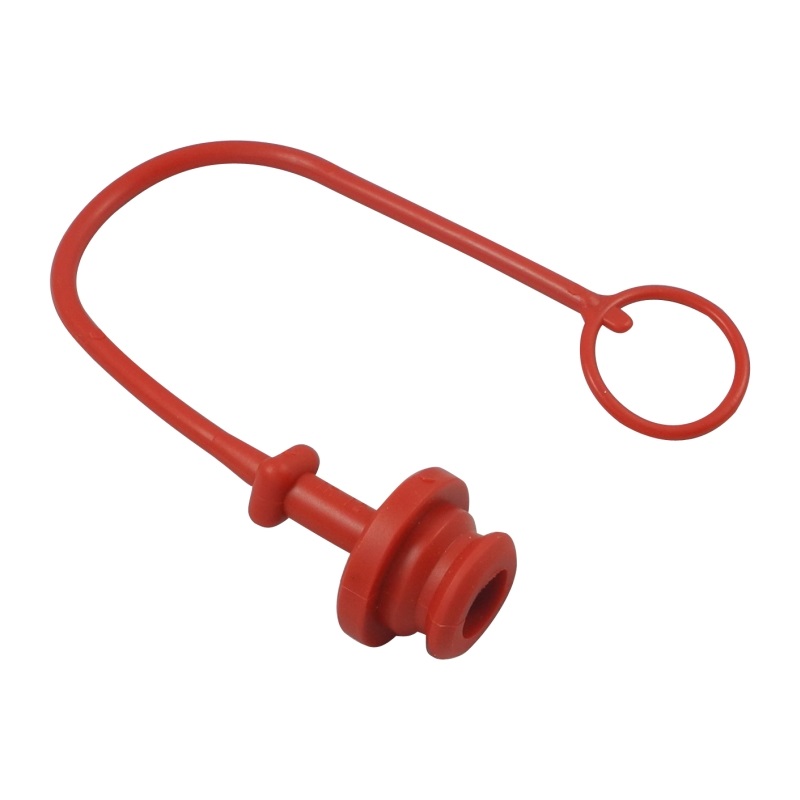
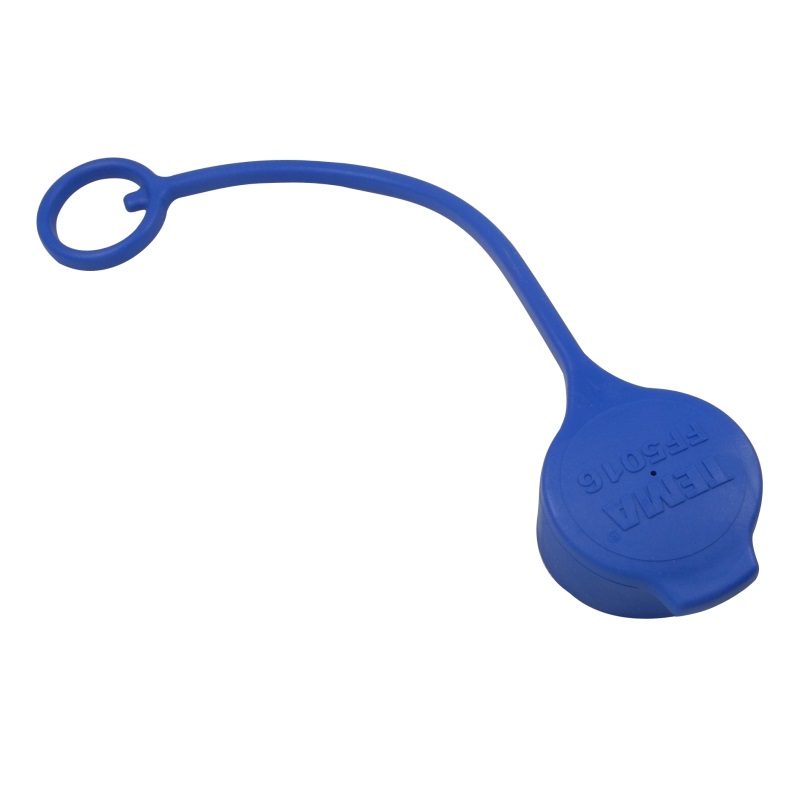
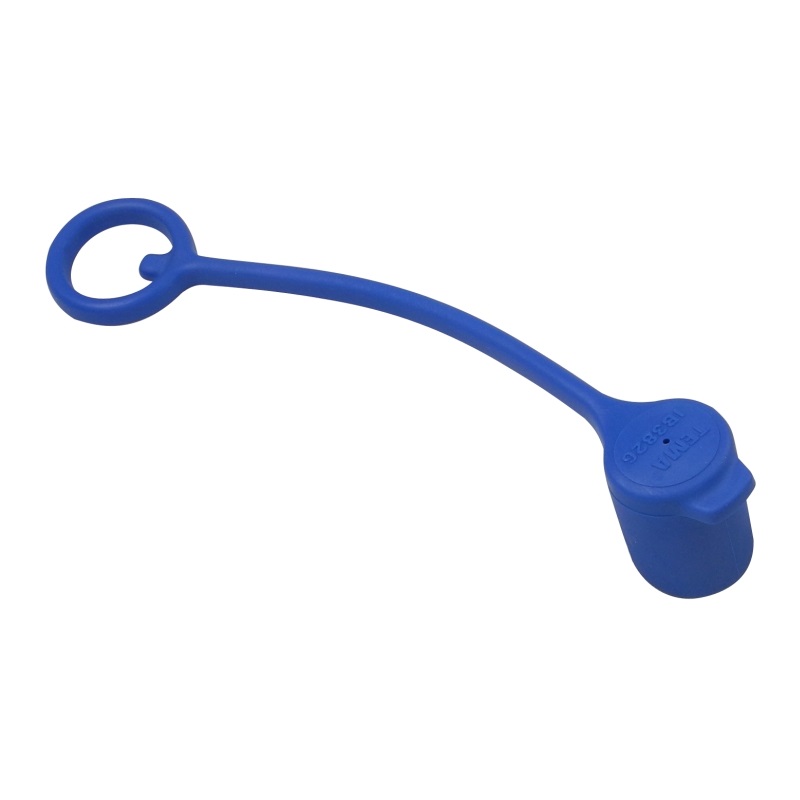
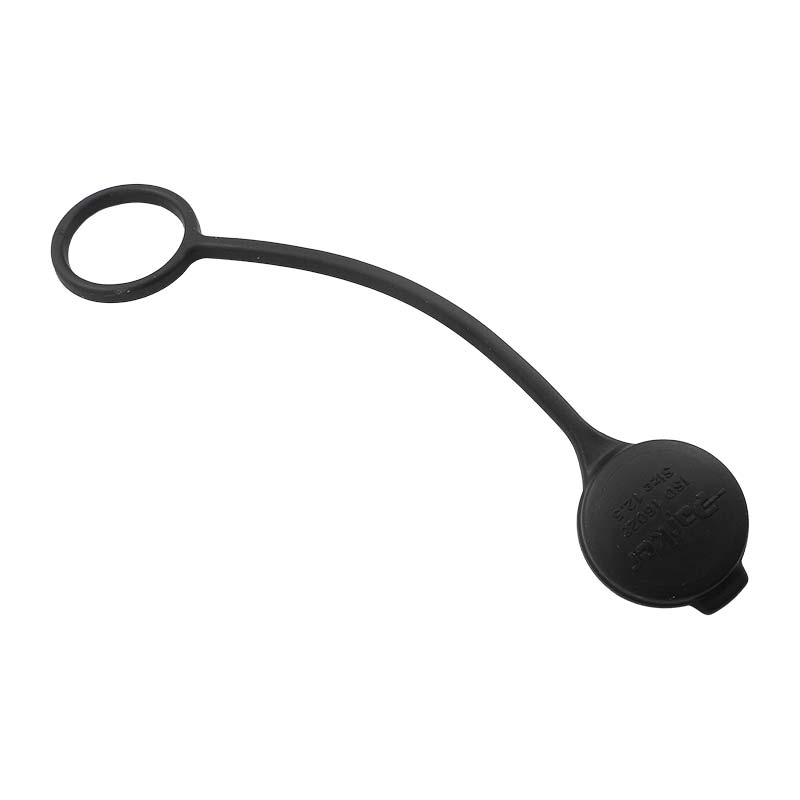
Dust caps are available as push-on, snap-fit, threaded, or chain/strap mounted. Push-on variants offer quick application, while snap-fit solutions secure against unintentional detachment. Chain or strap fastening minimizes the risk of loss, especially in mobile applications. Threaded caps require careful tightening without overtightening. For automated assembly processes, caps with orientable anti-slip surfaces or special gripping points for grippers are advantageous. The selection depends on assembly frequency, component accessibility, and cleaning intervals.
Application Areas and Practical Examples
In hydraulic manufacturing, dust caps prevent particles from entering hydraulic plugs during maintenance. Example: On a hydraulic test bench, quick changes of measuring lines are performed. Plugs are protected after each test cycle with an NBR push-on cap with an integrated O-ring to prevent subsequent sealing failures and particle deposits on the conical surface. In CNC machining centers, polyethylene caps protect the pneumatic connectors of tool magazines from coolant mist; the caps are attached during machine operation and automatically removed during tool changes.
In assembly lines in the automotive supply industry, metallic dust caps are used on quick couplings when components need temporary protection against dirt and electrical conductivity must also be maintained. Example: In an assembly station for brake lines, quick couplings are sealed with aluminum caps to prevent corrosion from salt spray in outdoor processes. For test laboratories with high temperatures, silicone caps are used to cover plugs during a test at 180 °C without material residues detaching or deformations occurring.
For storage and shipping, dimensionally stable PP or PE caps are suitable as they absorb shocks and prevent deformation. Example: When shipping hydraulic units, all open connections are sealed with PE caps and additionally fitted with an FKM cap if aggressive cleaning agents are included in the scope of delivery, to ensure safe protection during transport and storage.
In laboratory and measurement technology cases, transparent or color-coded elastomer caps are used to visually distinguish connection states and simultaneously prevent contamination during changing tests. Example: In a research center, gas-carrying measuring lines receive color-coded caps, so that measured values can be clearly assigned and incorrect connection states can be quickly identified.
Quality Criteria and Checkpoints Before Purchase
Before making a purchase decision, check dimensional accuracy, material data sheet, temperature and chemical resistance, and the mounting type. Relevant tests include leak tests, lifetime tests under repeated assembly/disassembly, and resistance tests against media. Requirements for service life and replacement intervals should be documented, and possible restoring forces or pull-off resistances measured. For safety-critical applications, certified materials and tested manufacturing processes are crucial.
Procurement and Technical Consultation
Select dust caps based on technical data sheets and practical requirements. For specific applications, collaboration with suppliers who provide samples, test reports, and material certificates is recommended. Use supplementary information on technical pages such as Technik and concrete application examples on Anwendungsbeispiele to correctly specify caps and integrate them into your processes.
Selection Guide at a Glance
- Material: NBR, EPDM, FKM, Silicone, PE/PP, Aluminum/Stainless Steel — choose according to temperature, chemical, and abrasion requirements.
FAQs
1. Which dust cap is suitable for hydraulic plugs?
For hydraulic plugs, elastic caps made of NBR or FKM with an integrated O-ring are recommended; NBR for general hydraulic oils, FKM for higher temperatures or aggressive media. Pay attention to a precise fit and Shore hardness so that the sealing surface is not damaged.
2. How do I measure the correct size of a dust cap?
The outer diameter and, if applicable, the thread profile of the plug are decisive. Measure relevant dimensions at the point to be covered and compare with the manufacturer's tolerances. If in doubt, samples should be ordered and tested on actual components.
3. Are color-coded dust caps recommended?
Color coding increases process reliability for multiple connections and test procedures, as it allows for quick visual identification. Use colors consistently in documentation and labeling to avoid misassignments.