
Protect your hydraulic couplings and plugs with dust protection caps
You can protect hydraulic couplings and hydraulic plugs from dirt and damage with our dust protection caps.

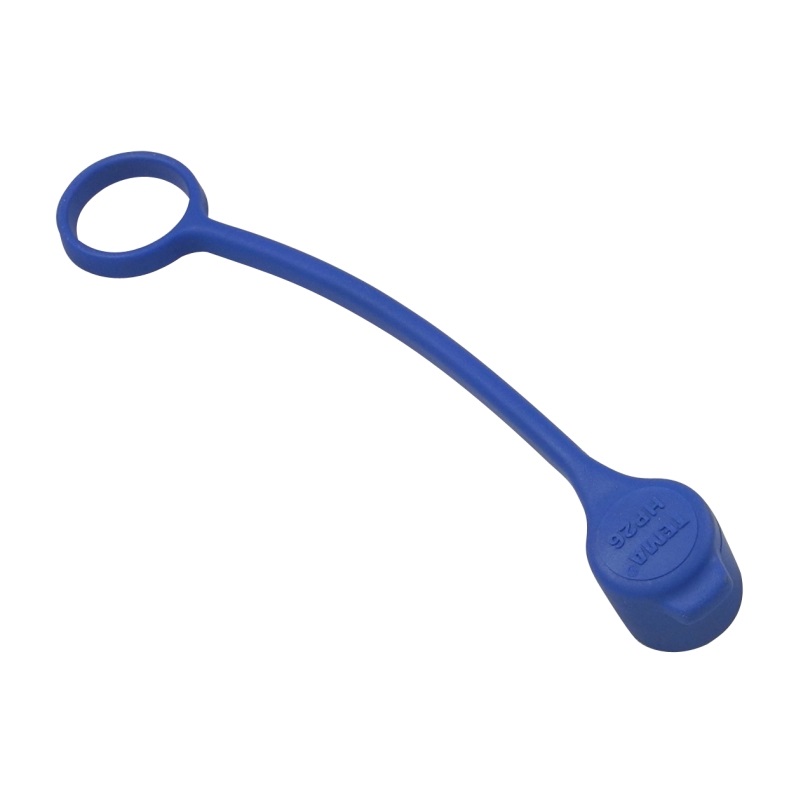

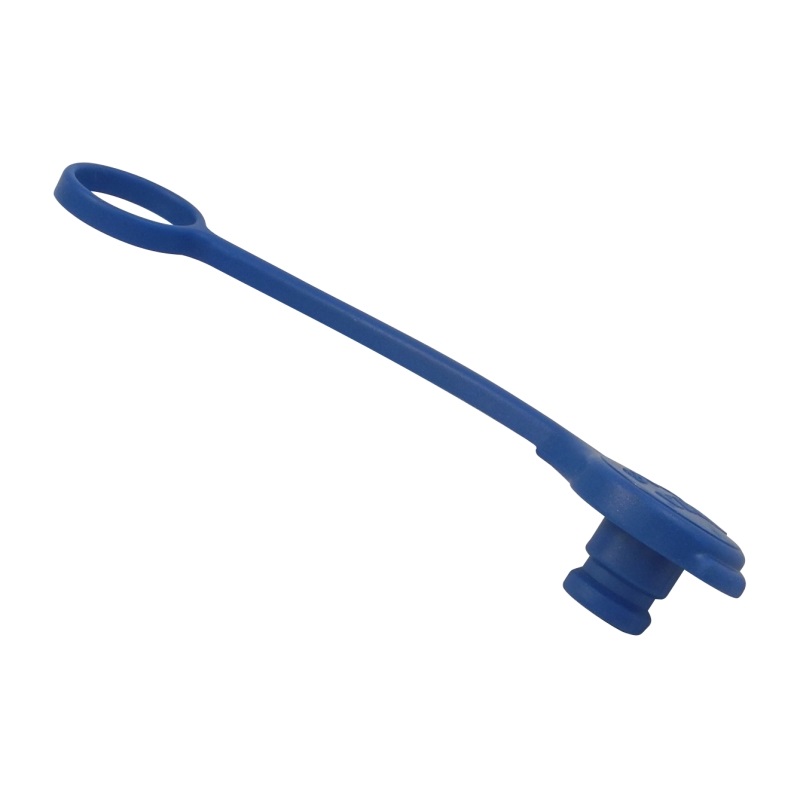
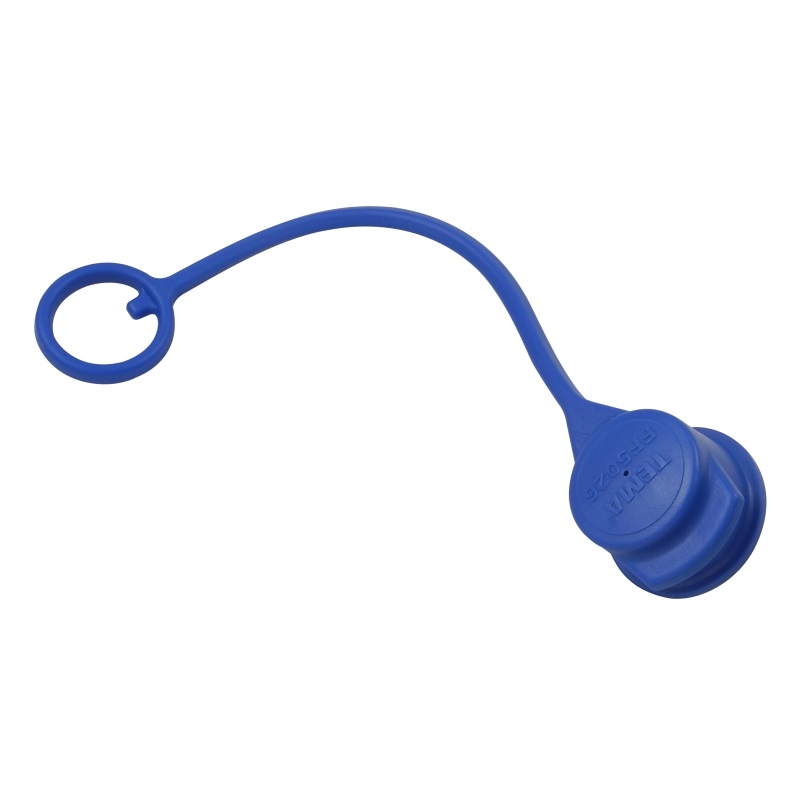
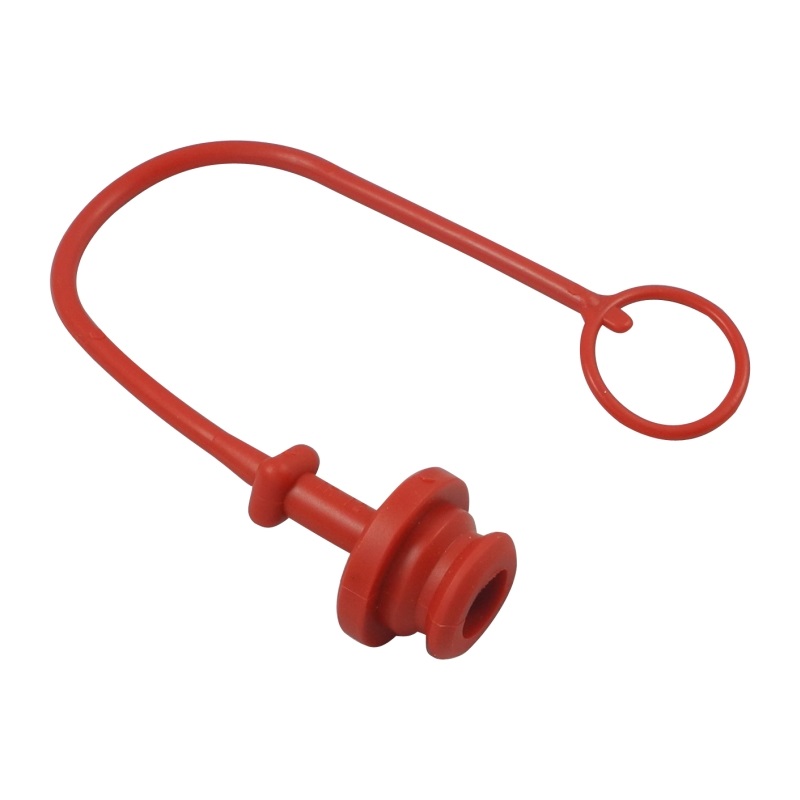

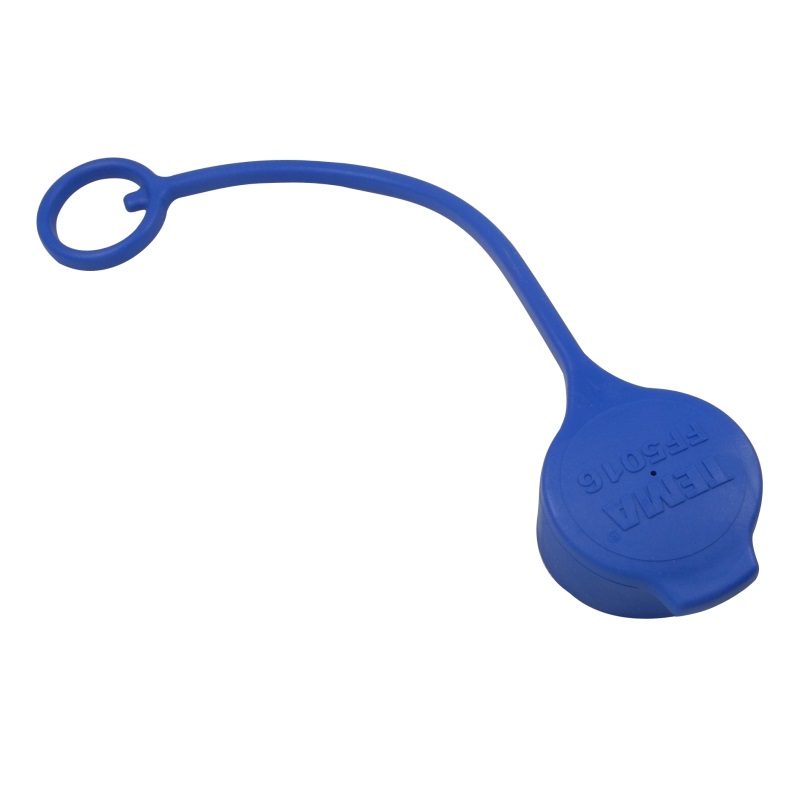


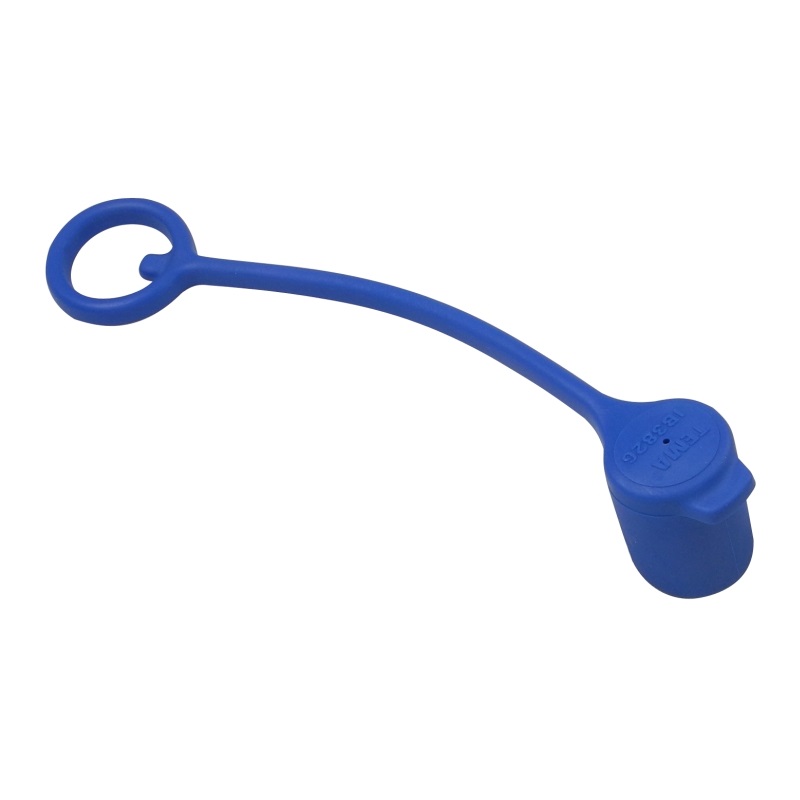

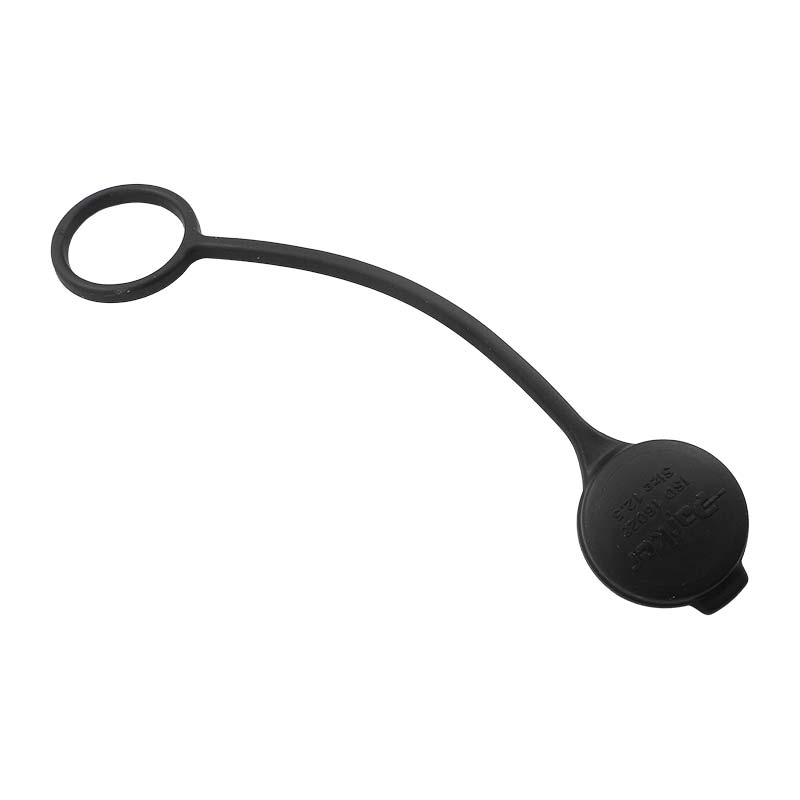


Hydraulic Dust Caps: Definition and Purpose
Hydraulic dust caps protect components such as hydraulic pipes or hoses from damage, as well as moisture, dust, and dirt. By using high-quality protective caps, you prevent contamination of open connection points in the hydraulic circuit and maintain the functionality and lifespan of quick-release couplings and plugs.
For the best possible protection, you need a high-quality protective cap with the right properties: The selection of the correct cap depends on the connection type, diameter, sealing principle, material resistance, and installation situation. For industrial applications, precision in dimensions, chemical resistance, and mechanical robustness are crucial to reliably eliminate sources of ingress such as dirt, moisture, and solid particles.
Properties of Available Hydraulic Protective Caps
When selecting suitable protective caps, various aspects such as material or design must be considered. We offer a large selection of suitable protective caps in various materials, shapes, and colors. Below, we explain some of the most important selection criteria and their background.
Construction, Materials, and Designs of Hydraulic Protective Caps
Hydraulic dust caps are predominantly made of thermoplastics (PE, PP, PA, POM), elastomeric materials (NBR, EPDM, FKM), and technical plastics with glass fiber reinforced versions for increased stiffness. Metal caps (aluminum, brass, stainless steel) are used where mechanical stress, high temperatures, or special EMC requirements exist.
Shapes range from simple push-on caps to caps with bayonet/snap closures, to caps with integrated O-ring seals or screw connections. Flange or threaded versions, as well as caps with suction or ventilation filters, are available to meet specific functional requirements such as pressure equalization or additional filtration.
Connection Dimensions, Tolerances, and Fit Accuracy of Hydraulic Protective Caps
The correct fit of protective caps for hydraulic connections determines tightness and handling. Caps are dimensioned according to the nominal sizes of the couplings (ISO A/B, DIN, SAE) and outer or inner dimensions. Pay attention to the dimensional tolerances of the inner shoulder, the clamping surface, and the elastic recovery of the material over multiple mating cycles. For critical applications, caps with precisely fitting inner profiles that align with the groove or O-ring profiles of the quick-release coupling are recommended. Test dimensions and drawing references should be compared during selection to correctly account for thread protrusions, flange thicknesses, and mounting angles.
Seals and Sealing Principles of Hydraulic Protective Caps
Hydraulic dust caps primarily protect against particle and moisture ingress:
- for pressurized systems, additional sealing elements are necessary.
- Caps with embedded O-rings (NBR, FKM for increased temperature resistance) offer additional sealing against low-pressure effects and splash water.
- Labyrinth seals reduce the penetration of fine particles through multi-stage channel guidance in the cap.
- In explosion-hazardous areas or with chemically aggressive media, special elastomeric materials must be chosen to ensure resistance to solvents, hydraulic oils, and cleaning agents.
Important for the Use of Hydraulic Protective Caps: Operating Temperatures, UV and Chemical Resistance
Select materials for hydraulic dust protection according to the temperature profile and the hydraulic fluids used:
- Standard plastics cover temperature ranges from approximately -30 °C to +90 °C.
- special high-performance polymers and FKM seals enable applications up to +200 °C.
- UV-resistant materials prevent embrittlement in outdoor applications.
- Chemical resistance tables and practical tests provide reliable information on compatibility with glycols, ester and mineral oil bases, and additives.
- For short-term contact exposure to cleaning agents or solvents, metal caps are often the more robust choice.
Areas of Application and Advantages of Hydraulic Dust Caps
Suitable hydraulic dust caps are primarily used during the storage or transport of hydraulic components. This protects them from dirt and moisture during prolonged non-use. However, they are also needed when systems are open during construction or maintenance work.
The main advantages are the extended lifespan of the protected seals and connections, as well as the reduced risk of contamination of the hydraulic system. In addition, there are significantly reduced downtime and lower cleaning and maintenance efforts. Furthermore, the components are also better protected against mechanical stress, not just dust and dirt. And last but not least, you can reuse the high-quality hydraulic dust caps again and again!
Advantages of Hydraulic Dust Caps in Assembly, Handling, and Ergonomic Aspects
- Assembly-friendly caps accelerate maintenance processes and reduce sources of error.
- Push-on caps with ribs or tabs allow tool-free gripping.
- Rotary and bayonet closures secure the cap against unintentional detachment due to vibrations. For frequent changes, soft elastomers with high resilience are preferred to avoid damage to the connection.
- Markings, color variants, or printed identification codes support quick assignment in complex hydraulic systems and simplify documented inspection intervals.
Hydraulic Dust Caps Offer Good Corrosion Protection and Mechanical Load Capacity
Metal caps should have a corrosion-resistant surface (anodizing, coating, stainless steel), especially in aggressive production environments. Plastic caps with glass fiber reinforcement offer increased impact resistance; softer elastomers absorb shocks. The goals are protection against mechanical damage to the connection itself, as well as prevention of deformation due to load absorption or impacts during transport and operation.
Areas of Application and Industry Relevance of Hydraulic Dust Caps
Industries with critical hydraulic systems such as mechanical engineering, vehicle manufacturing, wind energy, mining, and manufacturing automation require robust dust protection solutions to minimize unplanned downtime. Laboratories, medical technology, and food technology use special, easily sterilizable hydraulic dust caps made of FDA-compliant materials. Offshore and marine applications demand salt-spray resistant versions. A specified selection according to the operating environment reduces failure risks and maintenance costs.
Practical Examples – Structured Applications for Hydraulic Dust Caps
1. Assembly Line in Automotive Manufacturing: On an assembly line, quick-release couplings are regularly exposed after the cleaning process with motor oil residues. The use of soft-elastic caps with O-rings protects against dust from pressing and welding zones, which would otherwise contaminate valves. The caps are color-coded for quick identification and are manually fitted at conveyor speed. Due to their high resilience, they remain securely in place even with light impacts on the components.
2. Hydraulic Maintenance in Wind Turbines: During maintenance work on hubs, couplings are temporarily opened. Here, aluminum caps with screw closures are used, which are UV and salt spray resistant and also offer mechanical protection against falling tools. The threaded connection prevents accidental loss, and the hydraulic dust caps can remain attached to the system with a retaining strap.
3. Laboratory Test with Pressure Testing: In a test field for hydraulic components, quick-release couplings are protected from particle ingress during measurement cycles. Caps with integrated filter volume and fine pore structure allow pressure equalization without contamination. The filter inserts are replaced after each test cycle, ensuring reproducible test conditions.
Tips for Selection and Storage of Hydraulic Dust Caps
Important selection points for dust caps for hydraulic couplings are primarily connection dimension, material, seal, operating temperature, and mounting type. We have compiled a small checklist for the criteria and quality features below:
Selection Criteria and Procurement Guide
- For product selection, prioritize connection compatibility, material compatibility, temperature range, and mechanical stress.
- Check technical data sheets for dimensions, tolerances, material properties, and test certificates.
- Order sample sizes for fit testing and conduct short-term tests for abrasion and solvent resistance.
- Document identification numbers and use color or shape coding for standardized warehousing.
Standards, Tests, and Quality Features
Pay attention to compliance with relevant industry standards (ISO, DIN, SAE) as well as internal test protocols for dimensional control, Shore hardness measurements of elastomers, and tensile/break tests. Corrosion tests (salt spray) and aging tests with temperature changes are relevant for outdoor applications. Supplier information on flame retardancy, particle retention, and certifications (ISO 9001, material certificates) increase planning and operational safety.
Maintenance, Storage, and Lifespan
Store hydraulic dust caps dry, protected from light, and at a controlled temperature to prevent embrittlement or deformation. Check caps for cracks, warping, or jamming during each inspection. Replace caps after visual inspection or after a defined cycle, depending on stress and environmental influences. Lifespan varies, but with appropriate material choices in industrial environments, it typically ranges from several months to several years.
Further technical information on materials, assembly tests, and application examples can be found on our technology and application pages: Technology and Application Examples.
Quality Products Only from the Professional: Hydraulic Dust Caps from maku
In our online shop, you will find a large selection of high-quality brand products from renowned manufacturers for your hydraulic systems. Thanks to our own warehouse, we can ensure high availability. In addition, we conclude framework agreements with our customers, guaranteeing reliable supply. Our experts will advise you competently by phone, email, or live chat. Furthermore, you benefit from regular promotional offers on reduced standard products or special items.
Convince yourself of our selection and quality today and order your required products easily online with just a few clicks. For any questions, please contact us via the contact form.
FAQs
Which hydraulic dust cap fits my hydraulic fittings?
The correct selection of hydraulic dust caps is important for good protection against contamination and thus serves safety. Proceed as follows when selecting: First, identify the connection type and nominal size (e.g., ISO, DIN, SAE) as well as the outer diameter of the connection. Then, choose a material according to temperature and chemical requirements. Caps with O-rings are recommended for increased moisture or splash water exposure; metal caps for high mechanical stress.
How do I securely fasten hydraulic dust caps against vibration and loss?
In addition to proper fastening, the use of high-quality hydraulic dust caps is also important. Therefore, pay attention to the following: Use caps with bayonet or threaded closures or those with integrated retaining straps. For soft elastomers, profiled inner surfaces and ribs improve holding force. For long-term mounting, screw-on metal caps are the most reliable solution.
How often should hydraulic dust caps be replaced?
Always check your hydraulic dust caps for cracks, hardening, or deformation during every maintenance. The necessary replacement intervals always depend on the operating conditions: in heavily stressed environments, replacement after a few months is recommended; in moderate industrial environments, several years may be possible. Documented inspection cycles and material tests provide more reliable replacement intervals.