
High quality bits and power drives
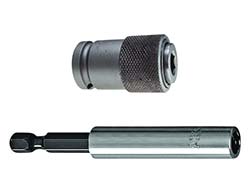
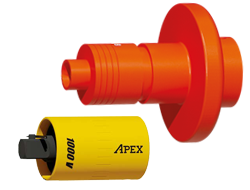
Apex Bits and Power Drives are made from tool steel and receive a special heat treatment that eliminates typical problems such as chipping and premature wear. The service life of the apex bits is therefore considerably longer than that of ordinary chrome vanadium bits.
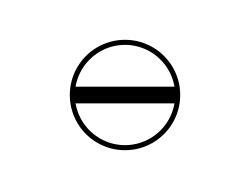
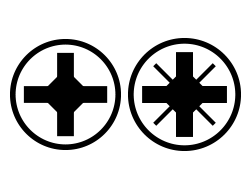
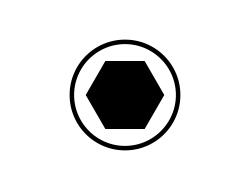
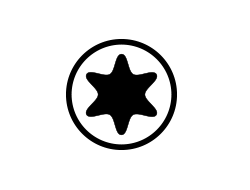
Bits for Screwdriving Technology: Precision, Material Expertise, and Application Reliability
Bits are the connecting tools between the screwdriving tool and the fastener. Their performance determines torque transmission, seating accuracy, and component protection. Accordingly, fit, material, heat treatment, surface coating, and manufacturing precision are highly relevant. On this category page, you will find bits for industrial applications, systematically selected by drive profile, size, tolerance class, and operating environment.
Materials and Material Selection
Bits are typically made from hardened tool steel (e.g., S2), chrome-vanadium alloys, or high-alloy high-speed steels. For longer service life and impact stress, S2 or hardened CrV materials are the norm. For corrosive environments or high-temperature applications, stainless steels or special coatings are used. The choice of steel influences toughness, elongation at break, and hardness after heat treatment. Heat-treated bits achieve hardness levels between 55 HRC and 62 HRC, depending on the specification; this range offers a balanced ratio of wear resistance and fracture tendency.
Shapes, Drives, and Tolerances
The drive profile is crucial for the contact geometry between the bit and the screw. Common profiles include Phillips (PH), Pozi (PZ), internal hexagon (HEX), Torx (TX), and Pozidriv. Industrial users employ tight tolerances (e.g., ISO/IEC-tested profiles) to reduce cam-out and ensure reproducible torques. The flank fit and tip design influence power transmission; precisely milled or ground bits reduce play and distribute loads more evenly across the profile surface.
Surface Coatings and Corrosion Protection
Coatings extend service life and improve friction values. Common coatings include phosphate, DLC (Diamond-Like Carbon), TiN (Titanium Nitride), and PTFE layers. Phosphate provides basic corrosion protection and improves lubrication, while DLC and TiN increase surface hardness and minimize abrasion. PTFE-based layers reduce friction and facilitate use in automated screwdriving processes with high cycle rates. The choice of coating depends on the operating temperature, environment (e.g., splash water or chemicals), and required contact friction.
Seals, Connections, and Combination Solutions
Bits often interact with screwdriving systems that require seals and specific connection geometries. In applications with sealing washers, O-rings, or staking profiles, controlled lead-in edges and defined bit lengths are crucial to prevent damage to sealing elements. For deep screw connections or hard-to-reach threads, telescopic bits, extended bits, or angle attachments should be used. Combined systems with quick-change chucks (e.g., 1/4" hex shank) reduce setup times and improve process reliability in manufacturing.
Application Areas and Selection Criteria
In industrial production, requirements differ significantly: assembly lines demand high service life and constant torque transmission, service and maintenance applications require flexibility and corrosion resistance, and prototyping and precision mechanics areas require precise, soft contact points to protect sensitive surfaces. Select bits according to the following criteria: drive profile matching the screw, mechanical load (torque, impact driver capability), environmental conditions (humidity, chemicals), desired service life, and compatibility with automated screwdriving systems.
Practical Examples
Example 1: In a production line for housing assembly, Torx-screwed fasteners made of stainless steel are assembled with a defined torque. A hardened S2-TX bit with DLC coating and precise TX fit is recommended here. The DLC coating reduces abrasion on the profile and ensures uniform power transmission, while the hardness minimizes fracture tendency under impact load.
Example 2: In mechanical engineering, large internal hexagon screws often need to be retightened. Application concept: long, hardened HEX bits with a shrunk-on sleeve for additional fracture safety and a phosphate layer for corrosion prevention. To protect the screw heads, bits with a slightly rounded lead-in edge and defined axial length are used.
Example 3: In electrical engineering, sensitive plastic components are screwed. Solution: soft, precision-ground PH bits with a controlled tip and PTFE coating to minimize friction and reduce surface scratches. Combination with a torque-limiting screwdriver prevents overloading of the plastic threads.
Quality Testing and Standards
Industrial bits are approved through hardness tests, dimensional checks, and profile inspections. Test benches simulate impact stress, wear tests, and repeated insertion/removal operations. Standards such as ISO 1173 (for shanks), DIN standards for profiles, and ISO protocols for surface treatments are reference points. Pay attention to manufacturer specifications regarding tolerance classes and test methods to ensure reproducibility in manufacturing.
Integration into Manufacturing Processes
For automated assembly cells, compatibility with quick-change chucks, screwdriving tool controls, and torque monitoring systems is crucial. Bits with standardized shanks (e.g., 1/4" hex) allow for easy exchange and integration into pick-and-place or robotic applications. Additionally, color-coded or laser-engraved bits are useful for process monitoring, as they ensure quick identification and traceability in the production process. Documentation of life cycles per bit type allows for predictive maintenance and reduces machine downtime.
Purchase Decision: Criteria Summarized
Crucial factors are the precise fit to the screw head, material and heat treatment, surface coating, bit length and shape, and compatibility with tool systems. When selecting for serial use, service life per batch and a test report from the supplier are decisive. When ordering online, pay attention to detailed product data sheets and, if available, test reports or material certificates.
- Typical application questions: Which profile? Which hardness? Which coating? Which length? Which shank?
Further Information and Application Examples
For technical details on manufacturing, materials, and standard compatibility, please visit our technology page at https://maku-industrie.de/technik. For documented practical cases and specific process examples, see https://maku-industrie.de/anwendungsbeispiele. These pages provide supplementary information on testing procedures, assembly scenarios, and material recommendations.
FAQs
1. How do I choose the right bit profile for my screws?
Select the profile according to the screw head (PH, PZ, TX, HEX, etc.). Prioritize profiles with minimal play to minimize cam-out and ensure ISO-compliant profiles and tight tolerances. For high torques or impact applications, prefer Torx or internal hexagon over Phillips.
2. Which coating is suitable for corrosive production environments?
For humid or chemically exposed environments, corrosion-resistant coatings such as phosphate combined with an additional corrosion-inhibiting surface seal or stainless materials are suitable. DLC and TiN improve wear resistance but do not offer comprehensive corrosion protection without additional measures; in such cases, stainless materials or specialized coatings are preferable.
3. How do I extend the service life of my bits in high-performance manufacturing?
Use hardened materials (S2, CrV), wear-resistant coated bits (DLC, TiN), control contact forces and torque limits, use hose or telescopic extensions only when necessary, and implement a testing and replacement interval based on documented wear characteristics. Additionally, precisely manufactured profiles reduce profile play and distribute loads more favorably, which increases service life.