
Buy plugs by Rectus in best quality for low prices
Plugs as part of the quick coupling system by Rectus are the right decision in many areas for varying media in low, medium and high pressure environment. Because of the wide variety of the available products it ist sometimes not easy to find the needed one. To simplify your selection please use the filter on the left. There you have the possibility to delimit the results by information you may know about your plug and quick coupling e.g. material, shut-off, sealing, etc. If you don't know any technical parameters the filter "Professional recommendation" may help you find the plug for your needs like "high flow, chemistry, water, model building, coding, flat sealing, etc.".
We are happy to advise you by phone or e-mail. We help you choosing the ideal plug for your application. Call us at +49 7151 / 90 395-0 or use our Callback service in the top right corner of the webpage. Or send us an e-mail by using the contact form on contact page.

21SFIW13DXX Plug with female thread

25SFAN13SXZ Plug with male thread

20SFIW10MXX Plug with female thread
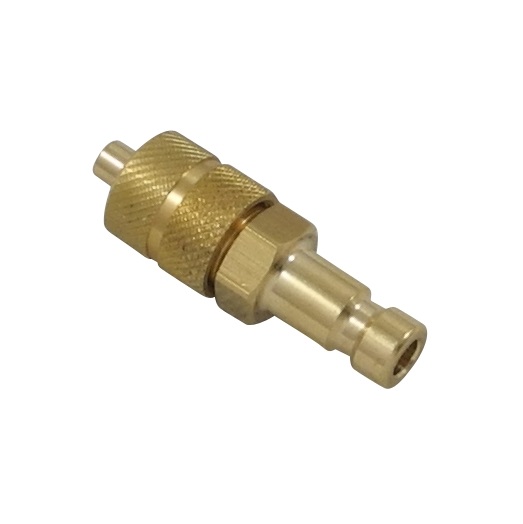
20SFKO04MXX Plug with hose nut

20SFTF05MXN Plug with hose barb

26SFTF06MXX Plug with hose barb

21SFAN13MXN Plug with male thread

26SRTF09MXX Plug with recoil eliminator

21SFIW13EXX Plug with female thread

26SFAW21MXX Plug with male thread
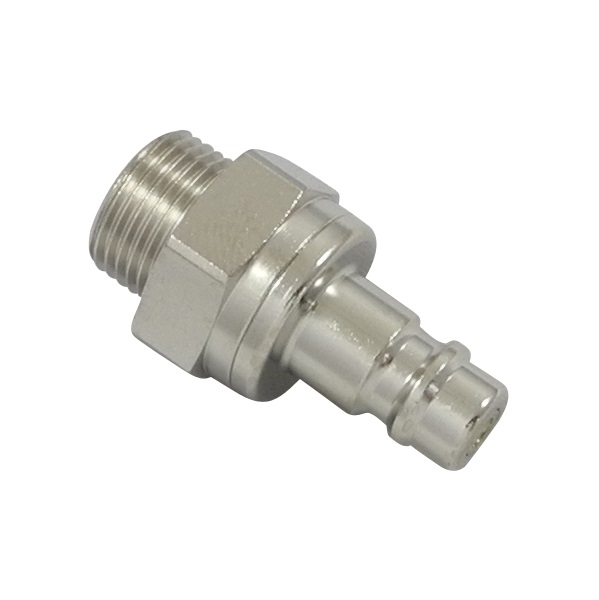
25SBAW17MPN Plug with male thread

M26SFIW21MXX Plug with female thread

21SFIW13FXXR Plug color coded

21SSTF10MXX Plug with hose barb

M26SFAW13MXX Plug with male thread

26SFIW17MXX Plug with female thread

23SFTF10SXN Plug with hose barb

18SFTF06SXN Plug with hose barb
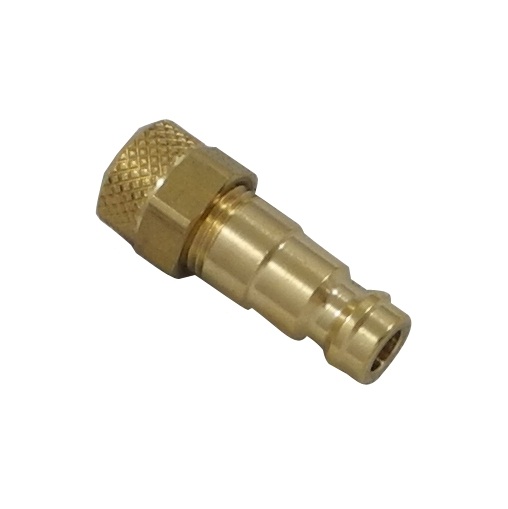
21SFKO06MXX Plug with hose nut

22SFTF08SXN Plug with hose barb
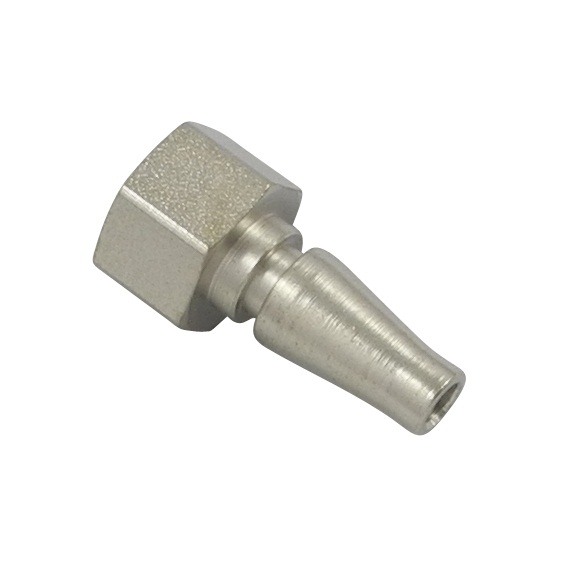
17SFIW13SXN Plug with female thread

19SFAK17SXN Plug with male thread

M26SFAW17MXX Plug with male thread

48SBIW17DVX Plug with female thread
Rectus Plugs: Technically Precise Connection Solutions for Production Environments
Rectus plugs offer robust, repeatable connections for pneumatic and fluid media in industrial applications. At maku, you will find a selection of coupling plugs, quick-release nipples, and hose nipples in various nominal sizes, shut-off variants, connection types, and materials, designed for machine fixtures, assembly systems, and maintenance zones. This text explains their construction, sealing technology, mounting variants, and typical applications to help you select the appropriate component effectively.
Construction and Materials
Rectus plugs are typically made of brass, stainless steel (1.4404/316L), or technical plastic (POM, PA). Brass offers a favorable strength-to-corrosion-resistance ratio for compressed air and non-aggressive media. Stainless steel is the first choice for humid, corrosive, or food-grade applications, as well as for elevated temperature requirements. Plastic plugs reduce weight and cost and are suitable for aggressive chemical media, provided the material is compatible. Important mechanical properties include outer diameter tolerances, surface roughness of contact areas, and breaking load under axial stress.
Sealing Technology and Leakage Rates
Sealing is usually achieved with O-rings made of NBR, FKM (Viton), or EPDM, occasionally FFKM for high chemical resistance. NBR is standard for compressed air and general oils, FKM for high temperatures and mineral oil hydraulics, EPDM for water and steam-carrying systems. Pay attention to material compatibility with the medium, temperature range, and lubricants: sealing materials influence the permissible leakage rate and the closing force of the shut-off mechanism. For shut-off plugs, an integrated valve ensures tight disconnection without significant leakage; for non-shut-off plugs, media loss occurs upon disconnection, which must be considered in sensitive applications.
Connection Types and Nominal Sizes
Rectus plugs are available with hose reel-compatible hose nipples, metric external threads, BSP and NPT threads, and quick-change mounts for modular systems. Nominal sizes typically range from 1/8" or 4 mm up to 1" or 25 mm and larger. The choice of nominal size determines pressure loss, flow rate (Kv/Cr), and maximum operating pressures. For pneumatic tools and tool connections, 6–10 mm hose cross-sections are typical; for hydraulic or larger fluid supplies, 1/4"–3/8" and more robust screw connections are required.
Shut-off Variants and Functional Principle
Distinctions are made between: non-shut-off plugs, shut-off plugs with a spring-loaded valve, and shut-off plugs with a double valve for shut-off on both sides. Spring-loaded shut-off valves prevent backflow upon disconnection and are useful for systems with frequent work cycles. Double-valve solutions minimize cross-contamination during media changes. Mechanical locks and latching mechanisms secure the connection against unintentional disconnection under vibrations.
Leak-tightness and Safety Requirements
For safety-critical applications, observe maximum operating pressures, breaking load of the connection, and temperature ratings of the sealing material. Potentially explosive areas require antistatic design and, if necessary, intrinsic safety of the materials. For food or pharmaceutical use, metallic materials in combination with FFKM seals and smooth surfaces are mandatory. Also, check maintenance intervals and O-ring interchangeability to ensure long-term defined leakage rates.
Assembly, Maintenance, and Testing Procedures
Before assembly, check cleanliness: chips, greases, and cleaning agent residues affect sealing performance. Use lubricants only if compatible with the sealing material and medium. For threaded connections, choose suitable sealants (PTFE tape, anaerobic sealants) and avoid overtightening. Regular functional tests, pressure tests, and visual inspections of O-ring integration minimize failure risks. Standard tests include pressure leak test at 1.5× operating pressure, leakage measurement according to ISO standards, and tensile tests for plug and hex forces.
Practical Application Examples
In an assembly cell for body paneling, Rectus couplings with 8 mm hose nipples are used to connect pneumatic feeds for riveting tools; shut-off plugs allow tool-free changes without air loss and compliance with test pressure specifications during downtime. In a paint shop, stainless steel plugs with EPDM seals connect the ventilation lines of the spray booths; corrosive cleaning agents are safely separated by stainless steel housings and resistant seals. For hydraulic test benches, plug-in nipples with 1/4" BSP thread are used, combined with FKM seals, to prevent oil loss during repeated test cycles.
Practice-structured application 1: In a packaging machine, tools are changed several times a day. A shut-off coupling plug reduces downtime because the tool is automatically shut off before removal. Structured application 2: In laboratory experiments with different media, POM hose nipples are used to prevent contamination between experiments; the plastic prevents galvanic reactions with metallic components. Structured application 3: In the food industry, stainless steel plugs with FFKM seals are used in CIP processes; smooth surfaces facilitate cleaning and prevent residues.
Selection Criteria for Engineers
Select the plug based on the primary medium, temperature range, mechanical stress, and frequency of plugging cycles. For corrosive media, prioritize stainless steel and compatible sealants; for high cycle counts, spring-loaded valve designs and hardened contact surfaces. Additional criteria include ease of assembly, interchangeability of seals, and availability of spare parts. For modular systems, a uniform nominal size and plug type are recommended to simplify inventory management. Further technical information and product selection can be found on our technical page: https://maku-industrie.de/technik, as well as specific application examples at https://maku-industrie.de/anwendungsbeispiele.
Typical Sources of Error and How to Avoid Them
Sources of error arise from unsuitable sealing materials for the medium, incorrect nominal size leading to increased pressure loss, lubricant overflow, and inadequate threading techniques. These can be avoided by checking media compatibility tables, correct dimensioning based on the required flow rate, standardized assembly processes, and regular inspections. Document used materials and seal numbers in the bill of materials to enable quick spare part procurement in case of service.
Compatibility and Standard Notes
Observe relevant standards such as ISO 6150 (O-rings), DIN and ISO thread standards, and industry-specific guidelines for food contact or potentially explosive areas (ATEX). Supplier specifications for pressure and temperature limits, material certificates, and surface roughness are binding for selection in safety-relevant systems.
- Summary: Select material, seal, and nominal size based on medium, temperature, and cycle load; shut-off types prevent leakage; maintenance and test cycles ensure availability.
FAQs
1. Which plug is suitable for compressed air in assembly systems?
For compressed air in assembly systems, brass or POM plugs with NBR seals and nominal sizes 6–10 mm are common; shut-off variants reduce media loss during tool changes and extend the lifespan of the seals.
2. How do I distinguish between shut-off and non-shut-off plug types?
Shut-off plugs have an internal valve that closes upon disconnection; non-shut-off plugs lack this valve and allow media to escape upon disconnection. Shut-off variants are preferred for hazardous or expensive media and for frequent disconnections.
3. What tests are necessary before commissioning?
Before commissioning: pressure leak test at 1.5× operating pressure, visual inspection of seals for damage, tensile test of the plug connection, and leakage measurement according to relevant standards; for sensitive applications, additionally material certificates and internal surface inspection.