
Buy high quality low-priced seals and PTFE tape for quick couplings
Replacement seals made of aluminum, fiber or PVC for different sizes. Sealing sets replace the O-rings in your quick couplings and plugs.
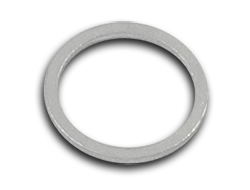

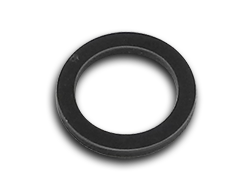
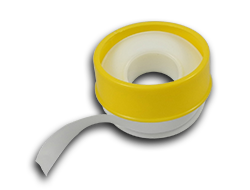
Technical Seals for Rectus Quick Couplings: Materials, Designs, and Application Criteria
For industrial fluid and gas connections, seals and sealing tape are indispensable. On this page, you will find suitable, affordable seals for Rectus quick couplings made of PTFE, fiber, PVC, and aluminum. Key factors include material compatibility, temperature resistance, chemical resistance, and mechanical load capacity. Choose the correct seal to prevent leaks, increase service life, and reduce unplanned downtime.
Materials and Their Properties
PTFE seals (Teflon) offer excellent chemical resistance to acids, alkalis, and organic solvents, as well as very low friction. They are the preferred choice for high temperatures up to approximately +260 °C and for aggressive media. Fiber seals made of reinforced asbestos-free composite material are mechanically robust, temperature- and pressure-resistant, well-suited for dynamic movements, and often used as universal seals in hydraulic and pneumatic systems. PVC seals are cost-effective, corrosion-resistant to many aqueous media, and UV-protected in tested qualities; they are suitable for low to medium temperatures and medium pressures. Aluminum seals are used where metallic sealing by form fit/compression is required, such as at high temperatures, vacuum, or special mounting configurations.
It is important to select based on these technical criteria: temperature range of the medium, chemical composition, operating pressure, mechanical load (vibration, shocks), and required service life. Also, check the surface finish of the connection surfaces and any requirements for cleanroom or food conformity.
Designs and Connection Solutions
Seals for Rectus quick couplings are available in various designs: O-rings, molded seals, flat gaskets, sealing washers, cross-section profiles, and special mounting plates. O-rings made of PTFE or elastomeric materials are used in radial and axial installation situations; their sealing is achieved by elastic deformation within the installation space. Flat gaskets made of fiber or PTFE are suitable for flat sealing surfaces where the seal is fixed by screw pressure or a clamping ring. Metal-stamped aluminum seals create a defined contact surface at high temperatures or when tight contact between metallic components is necessary. Sealing tape (e.g., PTFE tape) is additionally used for threaded connections to seal screw connections and as a mounting aid for screw connections with low roughness.
For quick couplings, in addition to the seal, the design of the connection ends is crucial: internal thread, external thread, plug connections, or special clamp connections each require differently shaped sealing elements. Ensure that diameters, cross-section profiles, and groove dimensions are compatible with your Rectus components. Our product descriptions include dimensions and tolerances for easy selection.
Application Scenarios and Practical Installation Tips
Practical example 1: In a paint shop, aggressive solvents are conveyed through quick couplings. A PTFE seal is recommended here, as it is chemically inert and withstands high temperatures. During installation, clean the sealing surface, insert PTFE seals without twisting, and ensure appropriate contact pressure after tightening the coupling to avoid material deformation.
Practical example 2: In a mobile hydraulic unit with vibrations and pressure peaks, fiber seals are the first choice. Mount the fiber seal with a flat seat in the groove and check the groove dimensions against the manufacturer's specifications. For repeated disassemblies, fiber seals offer a good combination of dimensional stability and flexibility.
Practical example 3: A production line with low temperature and pressure loads uses cost-effective PVC seals in combination with quick couplings for water lines. Pay attention to UV-resistant qualities for outdoor installations and compatibility with additive-containing media.
When using aluminum seals in high-temperature environments, the surface of the mating flange plates should be flat and free of damage. Installation with a defined torque prevents overstretching of the seal and ensures uniform pressure distribution.
Assembly, Testing, and Quality Criteria
Before assembly, cleaning of the contact surfaces is mandatory: no foreign particles, no corrosion residues, no old seal remnants. Use appropriate assembly tools to avoid damaging the seal. After assembly, visually inspect the sealing points first and perform a pressure test at low pressure before applying full operating pressure. Inspection recommendations include regular visual inspections and leak checks after maintenance intervals or after shock loads. Document material and batch numbers of the seals for traceability and quality assurance.
When to Use Which Material? Brief Decision Overview
- PTFE for aggressive chemicals and high temperatures; Fiber for pressure and vibration loads; PVC for cost-effective water applications; Aluminum for metallic form fit at high temperatures.
Compatibility with Rectus Systems and Accessories
Our seals are matched to common Rectus quick coupling sizes and available in compatible dimensions. Use the product filters to quickly select material, inner diameter, and cross-section. Additionally, we offer mounting materials and sealing tapes, suitable for Rectus components. Further technical background and application solutions can be found under Technology and specific practical scenarios under Application Examples. When selecting, consider the nominal size of the coupling, the nominal pressure, and the operating temperature specifications.
Service Life, Storage, and Spare Parts Management
The service life of a seal depends on load, medium, and operating conditions. PTFE shows long-term stable properties, while elastomeric materials age faster at high temperatures. Store seals dry, protected from light, and at moderate temperatures; avoid contact with solvents and oils that could attack the material. Establish a spare parts concept: critical components should be stocked with at least two replacement seals per coupling size to minimize downtime.
Procurement and Testing Notes
When purchasing, pay attention to material certificates and, if relevant, to conformities such as FDA, WRC, or other industry-specific approvals. Check the technical data sheets for Shore hardness, compressive strength, and temperature range. For special media, request test certificates and samples for material tests.
FAQ
Which seal is suitable for aggressive chemicals?
For aggressive chemicals, PTFE is the preferred choice due to its high chemical resistance and wide temperature tolerance. Check the media list in the technical data sheet for specific compatibility.
How do I identify the correct seal size for my Rectus coupling?
The correct size is determined by the inner diameter of the groove and the cross-section profile of the original seal. Measure the groove width and groove diameter, compare them with the dimensions in our product descriptions, and use the filter function in the shop.
Can sealing tape be used instead of a seal?
Sealing tape (e.g., PTFE sealing tape) is suitable for threaded seals but does not always replace form-fitting seals in quick couplings. For flat flange connections and dynamic applications, specially shaped seals are preferable.