
Order threaded nozzles with male thread by Parker Rectus online

GT26/19N Threaded nozzle with male thread


GT17/13 Threaded nozzle with male thread


GT21/13 Threaded nozzle with male thread


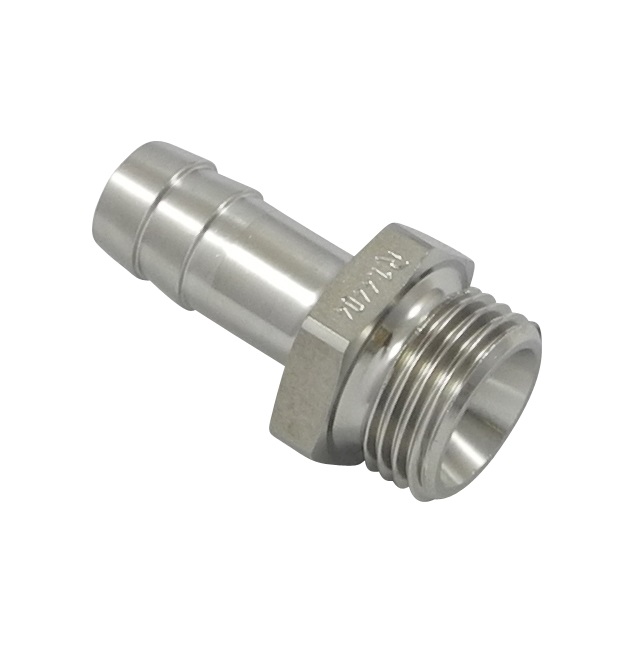
GT21/13E Threaded nozzle with male thread
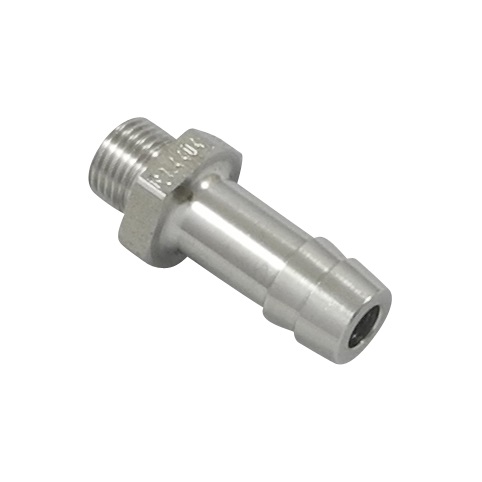
GT17/13E Threaded nozzle with male thread


GT10/06R Threaded nozzle with male thread

GT26/13 Threaded nozzle with male thread


GT13/09R Threaded nozzle with male thread


GT21/09R Threaded nozzle with male thread

Order Threaded Hose Barbs with External Thread from Parker Rectus Online
Threaded hose barbs with external thread are standardized hose fittings that securely connect hoses to an internal thread or a component with an internal connection. For industrial applications, tightness, mechanical strength, resistance to media, and ease of assembly are crucial. Parker Rectus offers variants in brass (nickel-plated), stainless steel, POM, and PVDF to meet temperature and chemical requirements as well as mechanical stresses. This category script focuses on selection criteria, technical features, typical connection types, and concrete application examples for quick orientation for buyers and designers.
Material Selection and Material Properties
Brass (nickel-plated) offers a favorable balance of corrosion protection, mechanical strength, and machinability. Nickel-plated brass threaded hose barbs are suitable for compressed air, water, and neutral media in maintenance and manufacturing. Stainless steel (often 1.4301/304 or 1.4404/316L) is necessary for chloride-containing media, higher temperatures, or where hygiene requirements exist. POM (polyoxymethylene) is characterized by very good wear resistance, low friction, and chemical resistance to neutral and slightly aggressive media; it is lighter and electrically insulating. PVDF (polyvinylidene fluoride) offers high chemical resistance to acidic, alkaline, or organic media, as well as high temperature stability. Material selection is strictly based on the medium, temperature range, and permissible contamination.
Thread Types, Dimensions, and Standards
Threaded hose barbs with external thread are available in metric ISO threads (e.g., M5, M6, M8, M10, M12), BSP (G), and/or NPT. For industry, metric and BSP variants are most common. When selecting, pay attention to the thread flank clearance, the type of thread seal (sealing ring, PTFE thread sealant, cone), as well as the installation position, axial forces, and any required torques. Standardized dimensions facilitate interchangeability and automated assembly processes. Parker Rectus products comply with common manufacturing standards and documented test parameters; details can be found in the technical data sheets.
Connection and Sealing Variants
Threaded hose barbs with external thread are offered with various sealing and connection principles: conical threads, cylindrical threads with sealing ring, clamping sleeves, or integrated O-rings. Conical threads (e.g., BSPT/NPT) create a seal through thread overlap; cylindrical threads require an additional seal. Elastomer seals (NBR, FKM/Viton, EPDM) can be selected for oil, fuel, or water media. PTFE threads and liquid sealants are alternative solutions when high chemical resistance is required. The correct combination of thread form and seal is crucial for leak-free operation and repeatable disassembly.
Mechanical Properties and Operating Data
Permissible operating pressure, temperature range, and tensile or shear forces on the hose connection must be evaluated. Brass barbs typically achieve medium pressure values; stainless steel versions increase pressure resistance and corrosion resistance. Plastic barbs offer lower static strength but provide insulation and chemical resistance. Parker Rectus specifies permissible operating pressures and temperature ranges for each version; these specifications are manufacturer-specific and must be checked for the respective application.
Assembly, Assembly Tools, and Assembly Processes
Ease of assembly is relevant for series production and maintenance. Threaded hose barbs with external thread are usually assembled with standardized torque values; for metal threads, torque limitation and lock nuts must be observed to avoid material deformation. Plastic barbs require lower torques, and sharp edges on connection surfaces should be avoided. For frequent disassembly, the use of O-rings instead of permanent PTFE threads is recommended. For automated assembly processes, guide holes, hexagonal surfaces, and mounting surfaces for screwdrivers are crucial.
Design Tips for Engineers
When designing, the following points must be coordinated between the hose, barb, and component:
- Select material according to medium and temperature, check corrosion data and abrasion resistance.
- Ensure that the thread type and seal match the existing internal bore (conical vs. cylindrical).
- Consider assembly access, torque limitation, and reusability.
Practical Examples
Example 1 – Compressed Air Distribution in the Assembly Hall: In series assembly, nickel-plated brass threaded hose barbs M10x1.5 with NBR O-rings are used to quickly connect compressed air lines to machine modules for easy replacement. The brass barb ensures sufficient strength and electrical potential equalization, while the O-ring guarantees repeatable tightness during frequent plugging and screwing cycles. Assembly is carried out with a torque wrench to avoid material deformation.
Example 2 – Chemical-Resistant Conveyor Lines in Electroplating: In an electroplating plant, PVDF threaded hose barbs with external threads are used in combination with conical internal threads. The PVDF barbs resist aggressive acids and bases as well as elevated temperatures. The connection uses PTFE sealing tape and a defined screw-in depth to create a permanent, solution-resistant connection. Documented test steps include leak testing under pressure and visual corrosion check after 30 days.
Example 3 – Food Processing and Hygiene: For water and cleaning lines in food production, 316L stainless steel threaded hose barbs with smooth contact surfaces and EPDM O-rings are used. Stainless steel ensures corrosion-free surfaces and can be CIP (Cleaning-in-Place) cleaned. The combination of smooth surfaces and elastic sealing allows for frequent cleaning cycles without leaks.
Quality Assurance and Test Procedures
ISO-compliant manufacturing, 100% leak testing under pressure, and visual inspection of thread quality are standard requirements. For critical applications, additional material certificates, pressure tests with test documentation, and batch traceability are required. Parker Rectus provides technical data sheets, material certificates, and test protocols upon request; additional information on technology and applications can be found under Technology.
Product Range and Variants
The product range includes external threads in various sizes, with or without clamping sleeves, with internal cones or cylindrical, as well as variants with screw or plug mechanisms for specific hose types. Accessories such as suitable screw nuts, seals (NBR, EPDM, FKM), and assembly tools complete the offering. Detailed application examples and assembly instructions can be found on the Application Examples page.
Selection Criteria at a Glance
For quick decision-making, designers and buyers use these criteria: medium and temperature range, required operating pressure, thread form and size, seal type, material compatibility, as well as reusability and assembly conditions. Document the specification in the procurement order, including a media table and test requirements, to receive precisely fitting components.
FAQ
Which seal is best for threaded hose barbs with external thread?
The choice depends on the medium: NBR for air and water, EPDM for hot water and steam cleaning, FKM/Viton for oils and fuels. PTFE threads or liquid sealants are useful for chemically aggressive media or when thread gaps need to be completely filled.
How do I know if I need a conical or cylindrical thread?
Conical threads (e.g., NPT/BSPT) seal through thread overlap and are suitable for permanent connections without an additional seal; cylindrical threads (BSP/G, metric) usually require an O-ring or sealant. Check the mating part for a conical shape or cylindrical bore and any existing sealing lips.
Which material choice is suitable for changing media?
For changing or unknown media, stainless steel 316L is the most robust choice, followed by PVDF for corrosive media with temperature requirements. For purely mechanical applications with neutral media, nickel-plated brass is cost-effective. Conduct material compatibility tests if changing media contain aggressive substances.