
Buy threaded nozzles, nipples, manifolds and more fittings






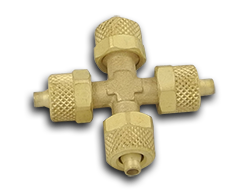
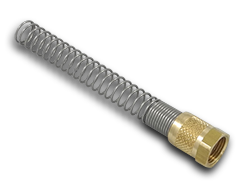
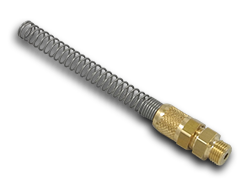
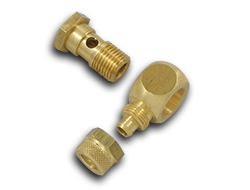
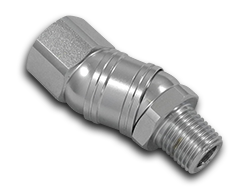
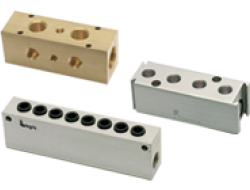
Buy Threaded Hose Barbs, Nipples, Manifolds, and More Fittings
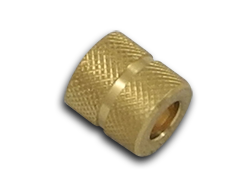
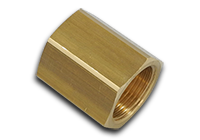
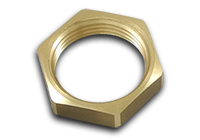
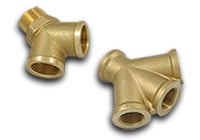
This category offers a targeted selection of fittings for industrial fluid and pneumatic connections: threaded hose barbs, double nipples, reducing nipples, sockets, manifolds, elbows, T-pieces, blanking plugs, blind plugs, hose barbs, union nuts, and lock nuts. Selection criteria include material, sealing system, thread type, connection diameter, and pressure/temperature range. The components are from Rectus and are designed for industrial requirements.
Materials and Material Selection
Material selection determines corrosion resistance, mechanical strength, and suitability for media. Brass (Ms) is standard for air and water applications, offering good machinability and moderate corrosion resistance. Red brass/tempered brass increases pressure resistance at higher temperatures. Stainless steel (1.4301, 1.4404) is mandatory for aggressive media, food products, or outdoor applications due to its resistance to chlorides and chemical attacks. Aluminum reduces weight, is suitable for low-pressure pneumatic systems, but reacts with certain chemicals. Plastic fittings (PA, PVDF, PTFE) are used for chemically aggressive media or electrical insulation. For each material, the permissible pressure and temperature ranges must be specified; check the manufacturer's data sheets before application.
Designs and Function
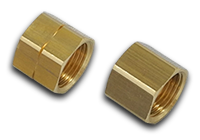
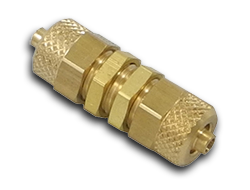
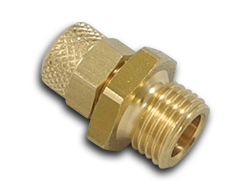
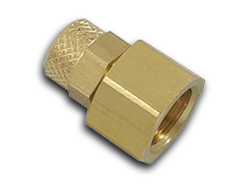
Threaded hose barbs connect hoses to internal or external threads in apparatus and pipelines. Double nipples serve as a direct connection between two pipe or hose ends of the same or different thread sizes. Reducing nipples and sockets allow transitions between different nominal sizes. Manifolds and T-pieces create branches with minimal pressure loss. Elbows reduce installation space and optimize flow guidance. Blind plugs and blanking plugs seal unused connections pressure-tight. Union nuts allow for easy-to-assemble screw connections with soft seals, while lock nuts ensure long-term hold. Hose barbs are designed for friction-locked or form-locked hose connections; designs with a barb profile ensure high retention forces.
Connections, Thread Types, and Sealing
Thread types include metric ISO thread (ISO 228/1, ISO 261), BSP (G and R threads according to ISO 7/1), NPT (tapered), and fine threads for hydraulic applications. Sealing principles include conical sealing (e.g., NPT), flanged sealing with a sealing surface (e.g., SAE), and form/material-tight sealing using an O-ring or PTFE sealing tape. NBR O-rings are suitable for mineral oils and air, EPDM for heating and water systems, FKM/FPM (Viton) for high temperatures or fuels. For hydrogen, oxygen, or food products, special elastomers and documented media compatibilities are required. For union nuts, the seal is often a soft sealing element (PTFE insert, POM or brass mandrels) – installation note: avoid overtightening, as crushing deformation destroys the sealing surface.
Mechanical and Thermal Characteristics
Pressure ratings range from vacuum to high-pressure applications; typical intervals: low-pressure pneumatics up to 16 bar, general hydraulics 100–400 bar for hardened stainless steel or brass fittings. Check the permissible test pressure specifications. Temperature ranges are based on the material and seal: brass +1 °C to +120 °C with NBR, stainless steel combined with FKM up to +200 °C, PTFE up to +260 °C. Chemical resistance tables are mandatory for aggressive media. For fluctuating temperatures, the design considers thermal expansion and surface pressure of the seals.
Surfaces, Coatings, and Corrosion Protection
Surface treatments such as nickel plating, galvanizing, passivation, or chemical nickel plating increase corrosion protection and sliding properties. Stainless steel fittings provide permanent corrosion resistance without coating. For seawater or chloride-containing environments, duplex materials or special coatings are preferred. For contact-critical applications (food, pharma), electrolytic cleanliness and low residue of the coating must be documented.
Installation and Maintenance Instructions
Before installation, threads, sealing surfaces, and O-ring grooves must be clean and free of burrs. Use suitable sealants: PTFE tape for non-critical connections with tapered threads, threadlocker only if approved by the manufacturer. Observe the manufacturer's torque specifications; overtightening can cause seals to extrude or thread surfaces to be damaged. For disassembly, gradual venting of the system and ensuring freedom from residual pressure is recommended. For repeated use of union nuts and hose barbs, seals should be regularly checked and replaced if visibly damaged. In hygiene-sensitive areas, the possibility of cleaning (CIP) and the suitability of the seals for cleaning chemicals must be checked.
Practical Connection Examples
Practical Example 1 – Pneumatic control line in a manufacturing cell: Selection: Brass threaded hose barb with metric internal thread M5, hose barb 6 mm, NBR O-ring. Rationale: user-friendly assembly, sufficient pressure resistance up to 10 bar, economical installation. Installation: Threaded hose barb sealed in actuator with PTFE; hose crimped or secured with a hose clamp. Result: Leak-free quick connection under cyclic load.
Practical Example 2 – Chemical dosing system: Selection: Stainless steel 1.4404 double nipple, PTFE internal seal, highly resistant FKM O-ring material. Rationale: aggressive media resistance, high temperatures up to 150 °C. Installation note: lightly grease O-ring with compatible lubricant, tightening torque according to manufacturer. Result: Long-term tight connection without signs of corrosion.
Practical Example 3 – Cooling water network in a machine tool: Selection: Red brass reducing nipple, EPDM seal, union nut for tool-free disassembly. Rationale: Water-resistant material, easy maintenance. Installation: Union nut hand-tight, subsequent tightening torque according to data sheet. Result: Fast maintenance cycles and easy disassembly for flushing operations.
Planning and Selection Criteria
Select fittings based on system characteristics: media type, operating pressure, maximum temperature, thread type, hose/pipe dimensions, mounting accessibility, and maintenance intervals. Define the material list and sealing configuration in the bill of materials to ensure compatibility. When selecting manifolds, check flow characteristics and pressure loss to avoid flow restrictions. Use standard threads and nominal sizes to ensure spare part availability. Additional technical information and complete solutions can be found under Technology and specific Application Examples.
- Key checkpoints before selection: medium, pressure, temperature, material, seal, thread, mounting environment.
Quality Assurance and Standards
For industrial fittings, standards and certificates are relevant: DIN/ISO thread, EN, and ISO pressure and material standards. Traceability of batches, material certificates (3.1/2.1 according to EN 10204), and test certificates for pressure and leak tests are required in critical applications. Documented test protocols reduce downtime through preventive maintenance.
FAQs
Which fitting is suitable for aggressive chemicals?
Choose stainless steel (1.4404) or highly resistant plastics (PVDF/PTFE) and seals made of FKM or PTFE; check media compatibility using chemical resistance tables and manufacturer specifications.
How do you correctly seal a tapered thread?
Use suitable PTFE sealing tape or a liquid sealant, avoid excessive application, and check if the system is designed for tapered sealing (NPT); for safety-critical applications, prefer screw connections with O-ring seals.
When is a union nut preferable to a fixed screw connection?
Union nuts offer tool-free assembly and easy disassembly, useful for maintenance-intensive or frequently changed components; fixed screw connections are more compact and offer higher vibration resistance for permanently loaded applications.