
Find everything that helps you save energy and is possibly good for the environment
Maintenance Units for Compressed Air Systems — Design, Selection, and Installation
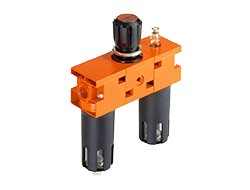
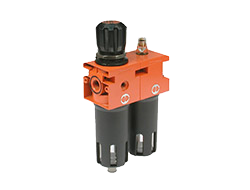
Maintenance units (also known as FRL units: Filter, Regulator, Lubricator) ensure defined compressed air quality in production facilities and assembly lines. Their function is not decorative: they remove solids and water, stably set nominal pressure, and meter lubricant for pneumatic tools. For reliable processes, correct design, housing material, connections, sealing materials, and maintenance access are crucial.
Functional Components and Technical Requirements
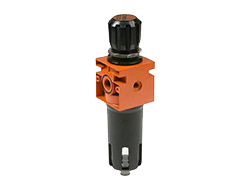
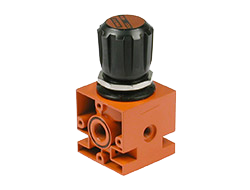
A typical combination consists of a filter, pressure regulator, and lubricator. The filter separates particles and condensed water using filter elements made of sintered metal, cellulose, or synthetic fibers; the application determines the material. For finest filtration down to 0.01 μm, microfiber-reinforced media or coalescing filters are used. The regulator ensures a pressure-stable setpoint with range-dependent control accuracy and is available in variants with a quick-regulating mechanism, kink-resistant control valve, and one-hand operation. The lubricator meters oil in a defined quantity using the drip or mist principle; for rotary tools, precise mist lubricators with volumetric dosing are required.
Essential technical criteria for selection include nominal pressure, flow rate (l/min or m³/h), cut-in pressure, maximum operating temperature, regulator response times, and filter class according to ISO 8573-1. Corrosion-resistant housing materials such as aluminum alloys with anodized coating or stainless steel AISI 316L are preferable in aggressive environments or when in contact with lubricants. Plastic housings (reinforced polyamides) offer weight and cost advantages but are dependent on temperature and chemicals.
Materials, Seals, and Connections
Seals define service life and leakage risk. NBR (nitrile) is standard for general applications, excelling in oil and abrasion resistance, but is unsuitable at high temperatures or with ozone. EPDM offers resistance to hot water and many chemicals but is not oil-resistant. FFKM/perfluoroelastomers are used where high chemical and temperature resistance is required. Spring and valve materials should be corrosion-resistant; for food or pharmaceutical applications, special material standards and certified sealing materials apply.
Connection technology influences assembly effort and leakage rates. Common variants include screw connections according to BSP/G¼ to G1 or NPT, as well as quick-connect fittings (Push-In) for flexible lines. For piping in large supply networks, flange connections are necessary. Pay attention to the compatibility of thread, sealing edge (e.g., PTFE tape vs. sealing washer), and tightening torque to avoid material deformation and leaks.
Series, Designs, and Modularity
Maintenance units are offered as individual modules, combined FRL blocks, or as compact, pre-assembled units. Modular systems allow individual combinations of filters, regulators, lubricators, and additional elements such as pressure gauges, shut-off valves, fine filters, or diaphragm pumps. Compact units save space and installation time but are often less flexible regarding upgrades. For line installations, mounting on rails or mounting plates with quick-release fasteners is recommended, as well as the integration of safety shut-off valves and lockout/tagout devices for easy maintenance.
Applications and Practical Examples
Example 1 — Assembly Hall with Compressed Air Tools: In a production line with impact wrenches and ratchet wrenches, a central station with an FRL combination in aluminum is chosen. A 5 μm filter element with a coalescing stage reduces oil vapor and condensate; a regulator with integrated pressure display stably sets 6.0 bar, and a lubricator with volume control generates a fine oil mist for piston and rotary tools. Advantage: extended tool life and stable torques despite fluctuating consumption peaks.
Example 2 — Paint Shop / Near-Cleanroom Area: Here, stainless steel housings and FFKM seals are used, along with a particle filter ≤ 0.01 μm and dry air adsorption units. The maintenance unit is wall-mounted with a pressure monitor and condensate drain with level control to prevent water in the line. Result: no particle ingress in the coating, lower reject rates.
Example 3 — Food Production / Packaging Line: For pneumatic grippers and valves, FDA-compliant materials are used. A combined filter regulator in stainless steel with food-grade oil mist ensures controlled fine-film lubrication without contamination risk. Additional hygienic caps protect connections against dust and dirt.
Assembly, Commissioning, and Maintenance
Before assembly, lines must be cleaned and checked for foreign bodies. Install maintenance units in the direction of air flow and avoid 90° bends immediately before filters and regulators to reduce flow turbulence and pressure losses. After assembly, check for leaks using leak detection spray or a pressure test. During commissioning, the regulator should be slowly adjusted to the setpoint, and condensate drains checked for initial operational dirt. Maintenance intervals depend on dirt load and degree of use; document filter changes, sealing materials, and oil type in a service log.
Maintenance Note: Condensate containing oil must not be discharged into the environment uncontrolled. Use automatic condensate separators with oil-water separation or connected collection tanks and dispose of the condensate properly.
Design Criteria and Calculation Approaches
Calculate the required flow capacity based on the sum of consumers, duty cycle, and peak loads. Consider pressure loss across filters and regulators; typical pressure losses range between 0.05 and 0.5 bar depending on the filter class. Dimension lines so that at the largest consumer, the pressure at the tapping point remains within the required tolerance. For long pipe runs, additional post-regulation stations in sub-areas are recommended to compensate for pressure drop.
For the selection of oil type, observe the manufacturer's specifications for pneumatic tools. Mineral oils of different viscosities, synthetic esters, or biodegradable oils are possible; dosing is done in drops per minute or as a percentage of the flow rate. For critical applications, use certified lubricants and mark them in the maintenance plan.
Components for Increasing Operational Safety
For high system availability, the integration of pressure gauges with alarm contacts, pressure switches, fine filters after the control valve, and redundant filter paths is recommended. Electronic pressure regulators offer programmable pressure profiles and remote monitoring. Condensate management with peristaltic pumps or automatic time/level switches reduces downtime due to manual emptying.
Application Examples & Further Information
Detailed application examples and specific solutions can be found at https://maku-industrie.de/anwendungsbeispiele. Technical background information on the selection of materials and components is available on our technology page: https://maku-industrie.de/technik.
Quick Overview: Criteria You Should Check
- Nominal pressure, flow rate, filter class, housing material, sealing materials, connection types, maintenance access.
FAQ
Which filter class do I need for general assembly work?
For standard assembly tools, filter classes 5 μm to 1 μm are common; for increased cleanliness requirements (paint shops, medical applications), coalescing and microfiltration ≤ 0.01 μm are recommended.
How often do filter elements and lubricators need to be maintained?
Interval-dependent: with moderate load, every 6–12 months. With high dirt load, water ingress, or critical production processes, predictably shorter intervals. Regularly check sight glasses and condensate drains, as well as pressure drop across filters after operating hours.
Which sealing materials are suitable for oil-laden compressed air systems?
NBR is standard for oil-laden systems; for higher temperature or chemical resistance, use EPDM or FFKM. Select sealing material according to temperature level, oil type, and operating environment; deviations affect service life and leakage rate.