
Order cheap temperature control plugs for mold cooling

608SFAW17MXN Plug with male thread

10SBAW13MVN Plug with male thread

86SFAK13MXX Plug with male thread

612SFAW17MXN Plug with male thread

10SFAM12MXX Plug with male thread

10SFIW10MXN Plug with female thread

11SFAR17MXN Plug with male thread 90° angled

11SFAR13MXN Plug with male thread 90° angled

11VNXX15MXX Extension nipple

86SFTF09MXX Plug with hose barb
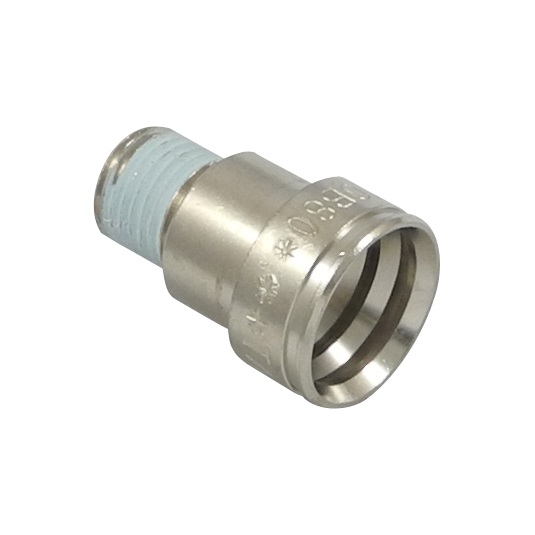
608SFAW13MXN Plug with male thread

11SFAM14MXX Plug with male thread
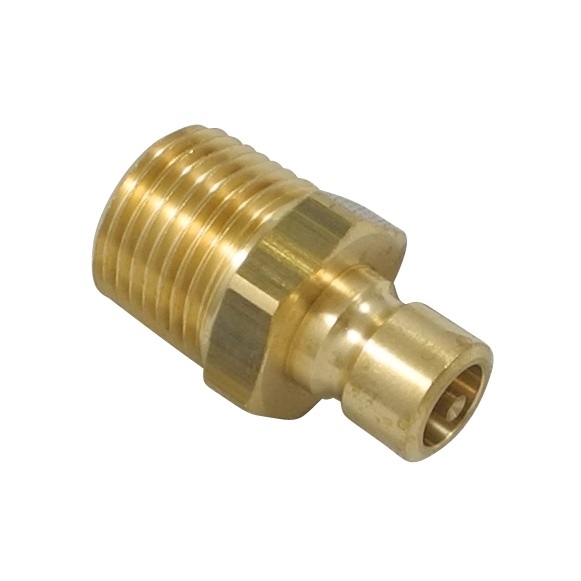
87SBAK21MVX Plug with male thread

10SFAR13MXN Plug with male thread 90° angled

10SFAR10MXN Plug with male thread 90° angled

87SFIW13MXX Plug with female thread

10SFIW13MXN Plug with female thread

87SFAK13MXX Plug with male thread

10SFAM14MXX Plug with male thread

11SBAW17MVN Plug with male thread
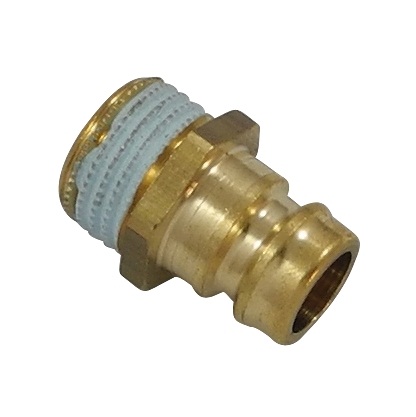
11SFAM16MXX Plug with male thread

11SFAW10MXN Plug with male thread

11SFAW13MXN Plug with male thread

86SBAW13MVX Plug with male thread
Temperature Control Plugs for Mold Cooling: Materials, Designs, and Selection Criteria
Temperature control plugs are connecting elements between the cooling circuit and the tool; their design, sealing technology, and material selection determine the reliability, leak-tightness, and service life of the mold cooling system. In injection molding and die casting applications, precisely fitting plugs are required to prevent pressure losses, cavitation, and localized corrosion. The same applies to reversible assembly cycles during tool maintenance and rapid tool changes in series production.
Designs and Connection Variants
Temperature control plugs are available with and without shut-off valves, with external threads, internal threads, hose connections, or without threads for direct press-fit installation. Shut-off plugs integrate a shut-off valve that allows for controlled decoupling of the cooling circuit during disassembly, enabling refilling and work on the mold without a complete system shutdown. Non-shut-off variants are more compact and are preferred when space is limited and the entire system is regulated via external shut-off devices. Hose connections are often knurled or conically shaped to securely hold elastic hoses; threaded connections require suitable seals and appropriate thread tolerances to avoid reducing flow cross-sections.
Materials: Brass, Nickel-Plated, Steel, Stainless Steel
Brass is cost-efficient, offers good machinability, and sufficient corrosion resistance in clean water circuits. Nickel-plated brass plugs increase surface hardness, reduce friction, and improve corrosion protection in slightly aggressive media. Steel plugs provide increased strength for rough mechanical stress; they require surface treatment against rust. Stainless steel (typically 1.4301 / AISI 304 or 1.4404 / AISI 316L) is primarily used where chloride-containing coolants, higher temperatures, or aggressive additives are employed. In the presence of contact-corrosive media or galvanic potential differences, stainless steel is preferred as it minimizes material wear and electrochemical corrosion.
Sealing Techniques and Sealing Materials
The sealing effect depends on the sealing material, temperature resistance, and installation direction. EPDM is suitable for pure water cooling up to medium temperatures and offers good ozone and aging resistance. NBR is inexpensive and oil-resistant but less heat-stable. FKM/FPM is used at elevated temperatures and with chemically aggressive cooling fluids. PTFE seals are chemically inert and reduce friction but are less suitable for dynamic seals without appropriate support. For threaded connections, form-fitting seals such as O-rings or physical seals in conical areas are common; additionally, thread lockers or Loctite-type sealants may be necessary if vibrations threaten to loosen them.
Temperature and Pressure Range, Flow Characteristics
Select temperature control plugs based on the maximum system temperature and operating pressure. Typical operating values are 0–120 °C and up to 16 bar; specially certified versions are required for high-temperature or high-pressure applications. Pay attention to the free flow cross-section (Kv value) and pressure drop curves of the plug: a cross-section that is too small increases flow velocity and erosion risk, while a diameter that is too large can impair the assembly geometry. For series procurement, coordination with pump design and cooling line lengths is necessary to avoid resonances and and cavitation.
Coatings, Surfaces, and Corrosion Protection
Nickel plating reduces friction and protects against light corrosion; it is common for brass plugs. Galvanic coatings such as chrome or special plasma coatings increase wear resistance. Passivated stainless steel surfaces prevent localized corrosion due to adhesions. When in contact with abrasive additives in cooling fluids, wear-resistant surfaces should be chosen; in chloride-containing environments, stainless steel 316L or a more corrosion-resistant alloy is the correct choice.
Assembly, Installation, and Maintenance
Temperature control plugs must be assembled so that seals are not pinched or twisted. For threaded connections, the correct tightening torque is essential; overtightening deforms seals and makes subsequent re-sealing difficult. Shut-off plugs should be installed in open positions and gradually closed before the first pressure test to avoid cavitation in the system. During regular maintenance, seals, valve seats, and signs of wear should be checked, and replaceable components should be stored in a standardized manner to minimize downtime. Flushing and filtering the cooling system reduces deposits in the plug and extends its service life.
Compatibility with Cooling Media and Additives
Temperature control plugs must be compatible with the coolant used. Pure water requires different sealants than media containing antifreeze or glycol; corrosion inhibitors can react with certain sealing materials. Before using organic additives, check for foaming behavior, saponification, and deposit formation, which can impair sealing. If in doubt, it is recommended to test a small sample under real operating conditions.
Practical Application Examples
Example 1 — Injection molding tool in series production: A tool with integrated mold cooling uses shut-off, nickel-plated brass plugs with EPDM O-rings. Assembly is via external thread M16x1, with the plugs oriented so that the hose connection does not interfere with the removal robot's reach after the tool opens. During revisions, the shut-off plugs are closed, workshop hoses are connected, and the tool is flushed separately, allowing the main system to remain online.
Example 2 — High-temperature application in die casting: Here, AISI 316L stainless steel plugs with FKM seals are used to prevent material damage at elevated temperatures and with chloride-containing cooling additives. The plugs are designed with a conical internal thread and screwed into conical mold bores; an adapted feather key prevents axial rotation during tool changes.
Example 3 — Rapid prototyping and mobile cooling stations: For changing tools, modular plugs without threads with quick couplings are used. The couplings are dimensioned to ensure minimal pressure loss and allow for easy one-handed operation. For mobile applications, additional safeguards against unintentional loosening must be observed.
- Decision criteria at a glance: Material suitable for the coolant; sealant suitable for temperature and chemistry; shut-off or non-shut-off depending on the maintenance concept; flow cross-section suitable for pump performance.
Standards, Tests, and Documentation
Pay attention to material certificates, pressure and temperature approvals, as well as test protocols for leak-tightness (leak rate, helium/air tests) and, if necessary, traceability in series production. For safety-relevant applications, test intervals must be defined and assembly protocols maintained. For FDA or food-related applications, suitable materials and seals must be verified.
Further technical information and practical examples can be found at Technik and Anwendungsbeispiele.
FAQs
1. Which material is suitable for chloride-containing coolants?
Stainless steel 316L (1.4404) is the preferred choice for chloride-containing media; alternatively, use more corrosion-resistant alloys or fully stainless steel plug systems with suitable seals (e.g., FKM).
2. When is a shut-off temperature control plug necessary?
Shut-off plugs are required when tools are frequently disassembled or maintained without shutting down the entire temperature control system. They enable safe decoupling and separate flushing processes.
3. How do I prevent leaks after multiple assembly cycles?
Use suitable sealing materials with ratings for temperature and chemistry, adhere to tightening torques, replace O-rings as scheduled, and check threads for damage; additional safeguards such as lock washers or thread lockers reduce loosening due to vibration.