
Buy blow-guns and sets by Parker Rectus online


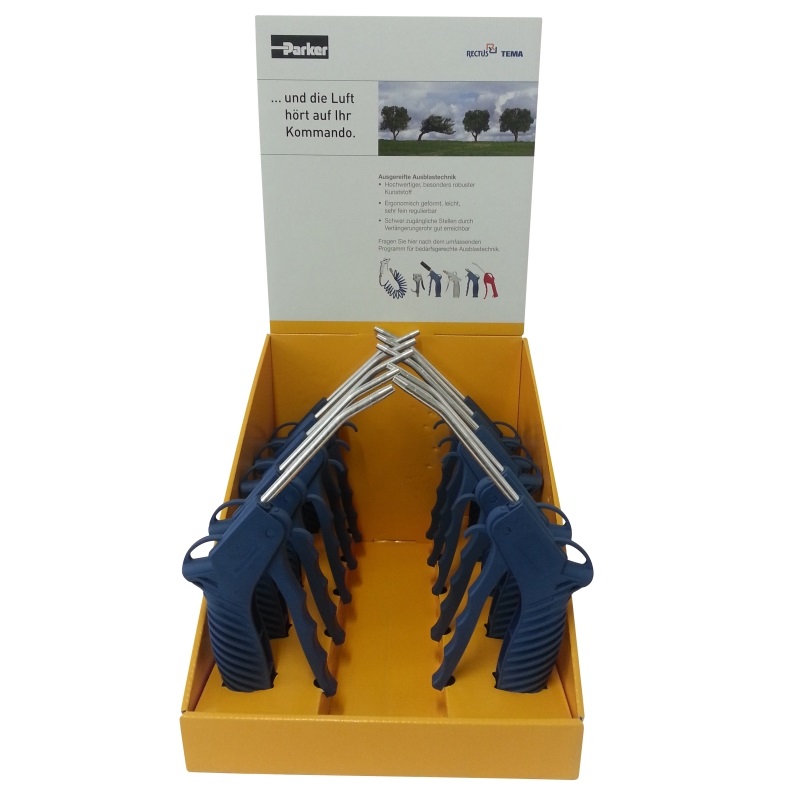
AK13SET


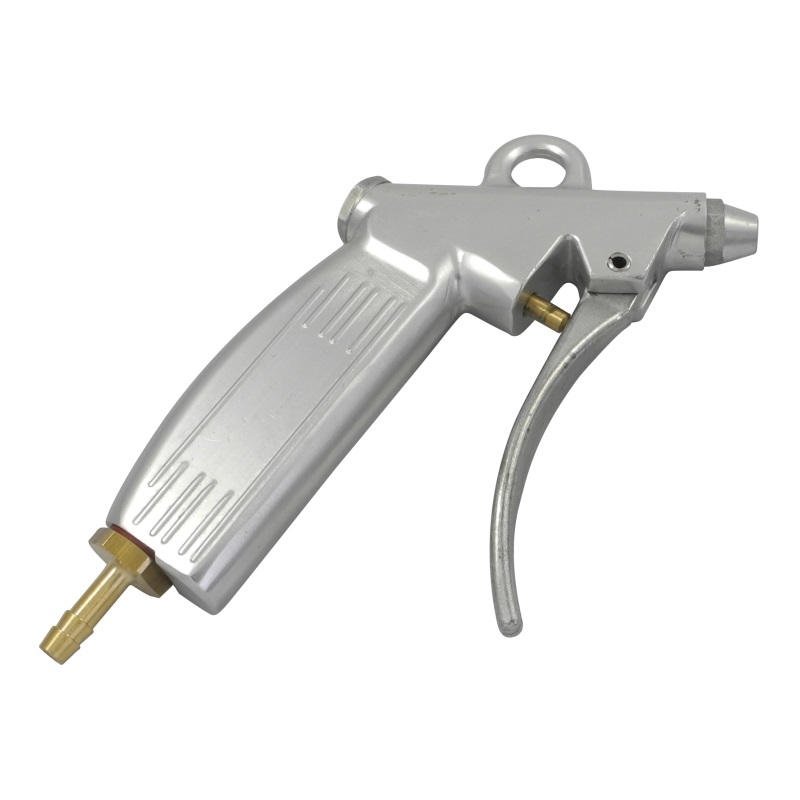

AC13
Technical Overview of Parker Rectus Compressed Air Blow Guns
Blow guns from Parker Rectus are designed for industrial cleaning, drying, and testing processes that require controlled compressed air with defined flow characteristics and safe handling. The designs range from simple plastic models to robust aluminum and brass housings. Key factors include material selection, nozzle geometry, connection type, sealing materials, and ergonomic controls, as these parameters determine behavior under variable pressure levels, temperature, dirt resistance, and chemically contaminated environments.
Materials, Surfaces, Seals
Parker Rectus typically uses polypropylene or glass-fiber reinforced plastics for lightweight, corrosion-resistant blow gun variants, and aluminum or brass for higher mechanical and thermal load capacity. Surfaces are either raw anodized, nickel-plated, or powder-coated to minimize abrasion and corrosion in manufacturing environments. Seals in standard versions usually consist of NBR (acrylonitrile-butadiene rubber) for general applications, EPDM for heat and steam-resistant uses, or FKM (Viton) for contact with heavier hydraulic oils and solvents. The choice of seal influences leakage rates, service life, and temperature resistance. For food or pharmaceutical applications, FDA-compliant elastomers are available.
Connections, Flow Values, and Pressure Resistance
Popular connection types include quick couplings according to DIN EN ISO 4414, threaded connections G (BSP), NPT, and compact push-in variants for easy hose assembly. Parker Rectus specifies flow characteristics (l/min) for each model at certain operating pressures; these characteristics are the basis for design when cleaning engine components, welds, or drying injection-molded parts. Typical operating pressures range between 2 and 10 bar, with safety blow guns incorporating outflow restrictors or pressure reduction mechanisms to minimize hazards from direct air jets upon skin contact. Pressure resistance and permissible ambient temperature are model-dependent and should be matched with process conditions.
Nozzle Design and Jet Shape
Nozzle geometry determines jet shape, sound level, and kinetic energy of the air jet. Narrow conical nozzle designs increase jet velocity and penetration for stubborn dirt, while flat or angled nozzles allow for wide-area blowing without high peak pressure spikes. Parker offers long extension tubes and angled extensions to reach hard-to-access areas; for sharp-edged metal parts, a nozzle with an integrated protective cap or plastic coating is recommended to prevent damage to the workpiece. Air-atomizing nozzles can be used for drying large surfaces, while precise hole nozzles handle pinpoint cleaning tasks.
Safety Versions and Standards
Safety blow guns feature pressure limitation and interchangeable shut-off units that reduce the risk of air jet injuries. For workplaces, standards such as DIN EN ISO 4414 (compressed air systems) and specific occupational safety requirements address permissible outlet pressure and sound levels. Parker products are typically designed to conform to relevant industrial standards based on manufacturer feedback; check technical data sheets and CE conformity for use in safety-critical areas.
Maintenance, Repair, and Spare Parts
Regular inspection of leak tightness, nozzle wear, and shut-off valve functionality extends service life. Oil and dirt residues should be removed to prevent sticking of the valve mechanism. Replacement seals and nozzles are available as wear parts; documentation for replacement intervals is based on operating hours, pressure cycles, and medium. During maintenance, attention should be paid to suitable lubricants for elastomers and cleaning without aggressive solvents, especially if NBR or EPDM seals are present.
Application Areas with Concrete Practical Examples
When processing metal components in series production, an aluminum blow gun with a conical steel nozzle is used to remove chips from drilled holes, with air pressure limited to 4–6 bar to prevent deformation of sensitive workpieces. In electronics assembly, a plastic blow gun with a fine hole nozzle and EPDM seals is used to dry circuit boards; the lower kinetic energy prevents component damage and reduces dust agitation in cleanrooms. For deburring and subsequent drying of plastic parts in injection molding, an angled nozzle with an extended tube is used to reach hard-to-access cavities without touching the component. For test benches in the automotive industry, safety blow guns with pressure limitation are installed to prevent injury risks for operators during final inspection.
Practical Example: Cleaning Welds
Process description: After welding, the seam is freed from slag and powder residues. Tool: Aluminum blow gun with rigid conical nozzle, operating pressure 5 bar, jet angle 15°. Procedure: First step rough removal from 30–50 cm distance, second step precise blowing from 10–15 cm, finally visual inspection and, if necessary, rework. Result: Reduced rework through targeted removal, less tool wear in the subsequent process.
Practical Example: Drying after Wet Cleaning
Process description: After degreasing components in an assembly line, drying follows. Tool: Plastic blow gun with wide-jet nozzle and extended tube guide, operating pressure 3–4 bar. Procedure: Even blowing from 20–30 cm distance over the entire surface. Result: Fast drying without thermal stress, minimized risk of oxidation.
Selection Criteria for Purchase
When selecting, the following points should be checked: compatibility with existing quick couplings, recommended operating pressure, flow and sound level characteristics, material resistance to environmental influences, and availability of spare nozzles and seals. For potential integration into existing compressed air networks, coordination with the specifications on our technical page is recommended: https://maku-industrie.de/technik. Examples of industrial applications and installation variants can be found at https://maku-industrie.de/anwendungsbeispiele.
- Typical variants: lightweight plastic, robust aluminum, pressure-limiting safety version
Installation and Commissioning
Before commissioning, sealing surfaces must be cleaned, the correct thread and seal type ensured, and the maximum operating temperature checked. When connecting to the compressed air network, filters, pressure regulators, and dryers must be checked beforehand to avoid contaminated or moist air, which can damage seals and valves. For series installation, mounting aids such as hose guides and brackets should be used to prevent impact damage to connection threads.
Environmental and Occupational Safety Aspects
Blow guns can generate noise and, if handled incorrectly, stir up dust. Safety blow guns with pressure limitation reduce the risk of injury. Always use appropriate personal protective equipment (hearing protection, safety glasses) and install extraction if dusts are harmful to health. Document use and maintenance in the operational document management system to meet inspection requirements and audit questions.
Procurement and Sets
Sets consisting of a hose and blow gun offer advantages for immediate commissioning and are matched to common connection sizes. For sets, pay attention to the quality of the hose material (polyurethane vs. PVC), temperature resistance, and kink resistance. Parker Rectus sets combine tested components designed for durability and interchangeability. Detailed product data sheets and configuration options can be found in the online shop under the category Parker Rectus Blow Guns: https://maku-industrie.de/shop/de/rectus/zubehoer/ausblaspistolen/.
FAQs
1. Which blow gun is suitable for heat and oil-laden environments?
Use a metal housing (aluminum or brass) with FKM seals; check the maximum operating temperature and chemical resistance of the seal to existing oils or solvents.
2. How do I choose the right nozzle for pinpoint cleaning?
Choose a conical or drilled steel nozzle with a small outlet diameter for high jet velocity; limit the operating pressure according to safety regulations to avoid workpiece or operator damage.
3. What safety measures are mandatory when using blow guns?
Use safety blow guns with pressure limitation, wear safety glasses and hearing protection, maintain prescribed distances, and install extraction for dust-generating operations; document maintenance and inspection intervals according to internal safety regulations.