
EO-3®: The Optimal System
- Leaks are avoided through clear assembly control
- Significantly increased machine performance and reliability
- EO-3® meets the growing quality and safety requirements in the market
- Additional costs due to rework are avoided
- With EO-3®, the quality of end products increases
- The company's image is boosted thanks to better products
- Important contribution to environmental protection – no oil loss
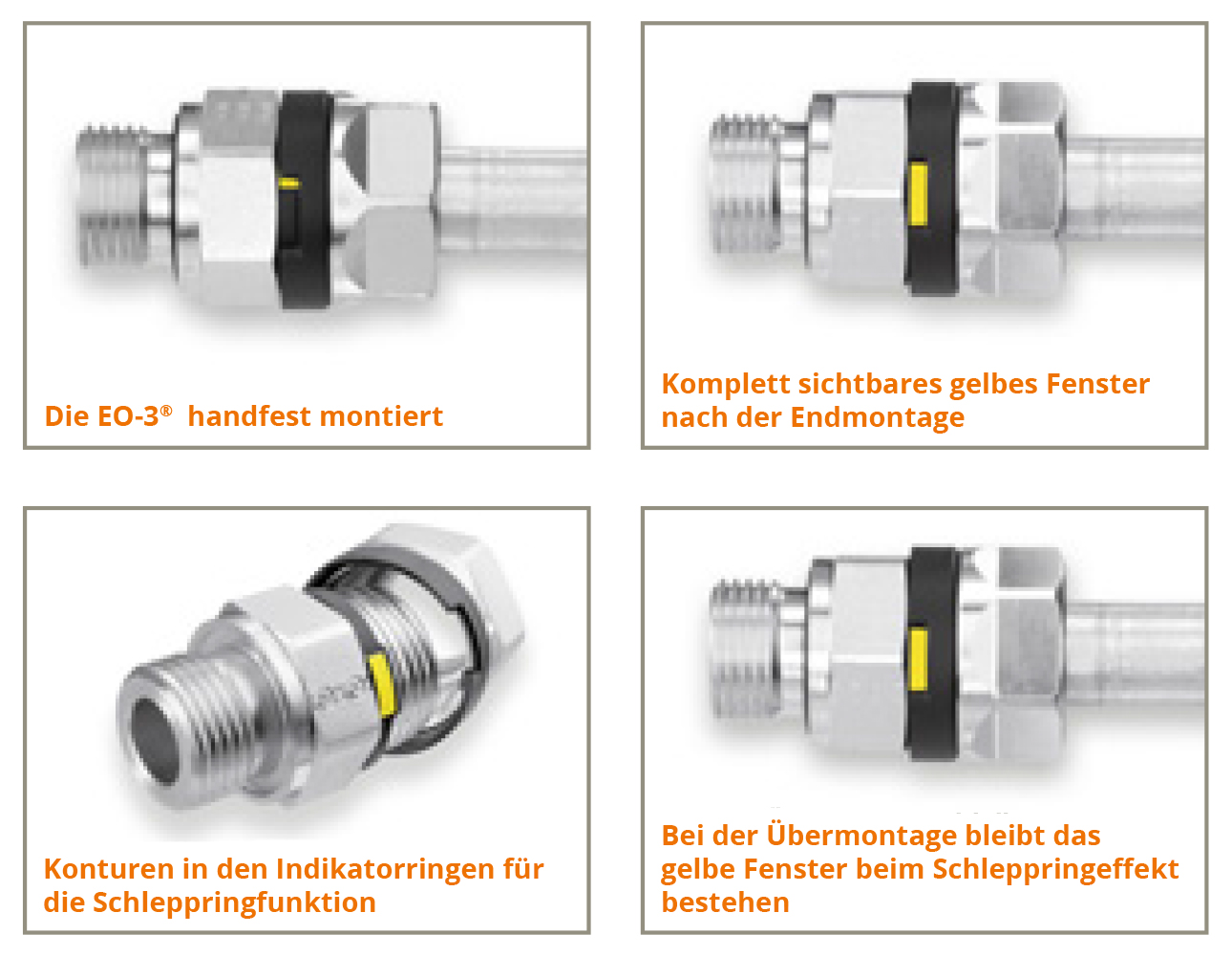
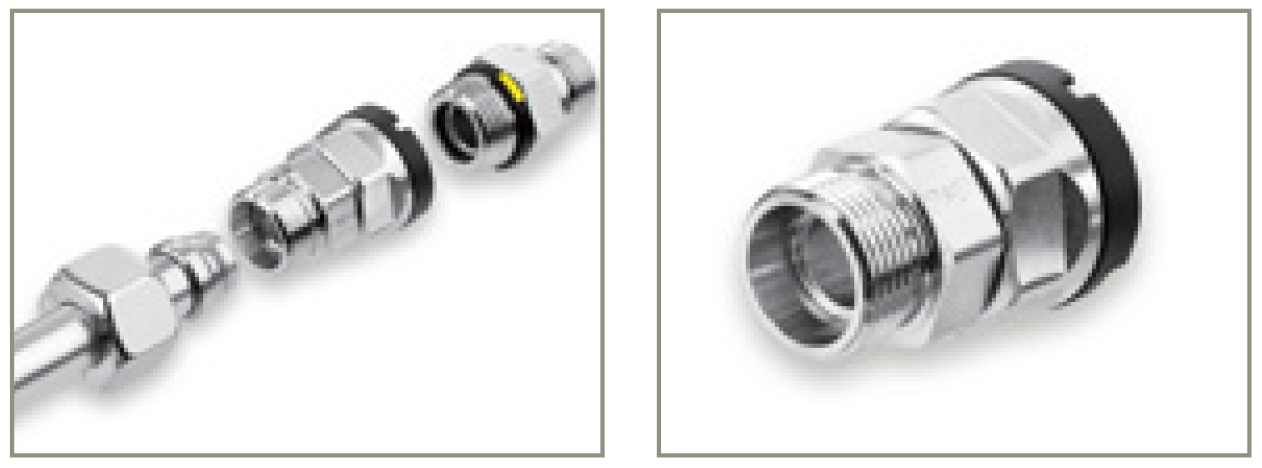
Even in case of repairs or repeat assemblies, EO-3® represents a reliable connection solution. For the practitioner: simply retighten the EO-3® connection and check whether the viewing window is filled. The yellow viewing window is an unambiguous signal for correctly executed assembly in these cases too!
For repair purposes, it may be necessary to resort to other available fitting systems from the DIN or SAE standard. In this case, an EO-3® adapter creates the connection.
EO-3® System: for tube connections and hose applications
Tube Sizes:
all common tube outer diameters from 6 mm to 42 mm with commercially available tube wall thicknesses
Series:
EO-3® dispenses with the standard series classification of LL, L, and S
Pressure Rating:
uniformly 420 bar for all tube sizes. Exceptions are typical "L-series" such as 22, 28, 35, 42 with 250 bar. Qualification of pressure ratings according to ISO 8434 requirements
Thread Standard Tube Connection:
Taper thread specially developed for EO-3® by Parker, flank and taper dimensions are precisely matched to assembly performance (i.e. distance and force) as well as pull-out/shear security of a tube connection
Fitting Material:
Steel
Tube Material:
common hydraulic steel tube material, e.g. E235 (ST37) or E355 (ST52.4), standard according to DIN EN 10305-4
Elastomer Material:
NBR
Surface Treatment:
Parker CF corrosion protection
Temperature Resistance:
-40 °C to +120 °C (analogous to NBR)
Media Compatibility:
analogous to NBR material
Energy Efficient:
due to matched bores with improved flow characteristics
The Arguments Clearly in View – That is EO-3®
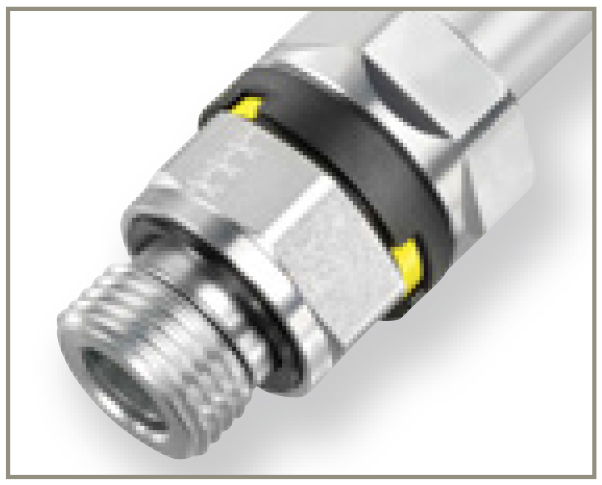
- Provides safety to the fitter
- Leaks due to under- and over-assembly are excluded
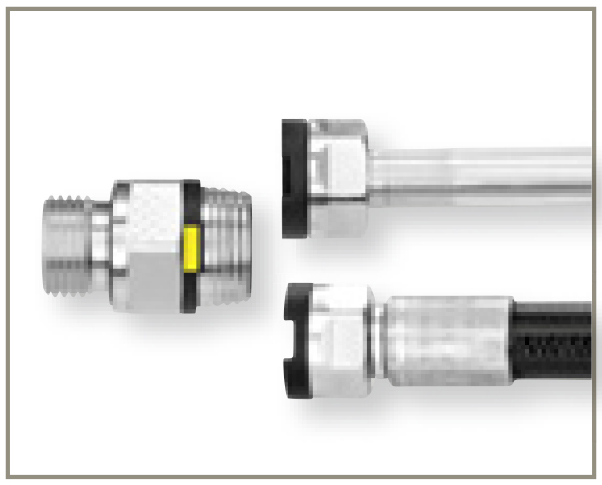
- A reliable system for different applications
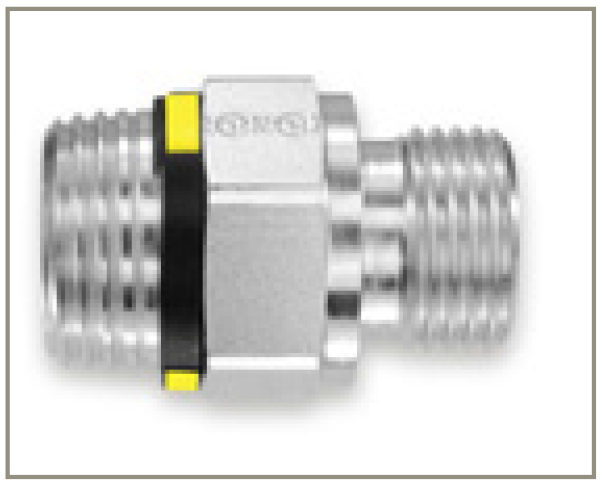
- A taper thread as a new thread standard
- Reduction of assembly time
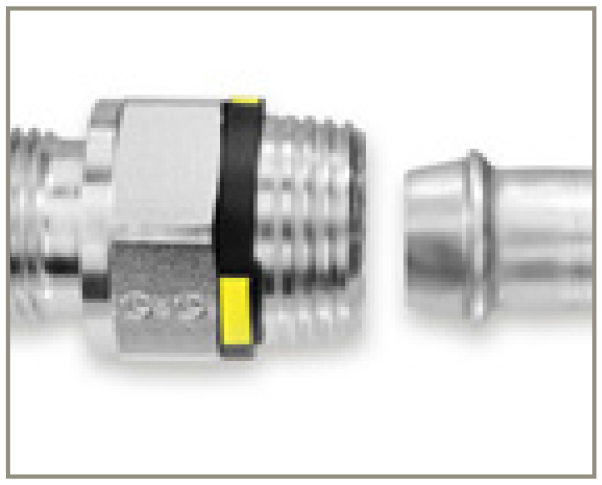
- Mechanical tube forming with EO forming technology
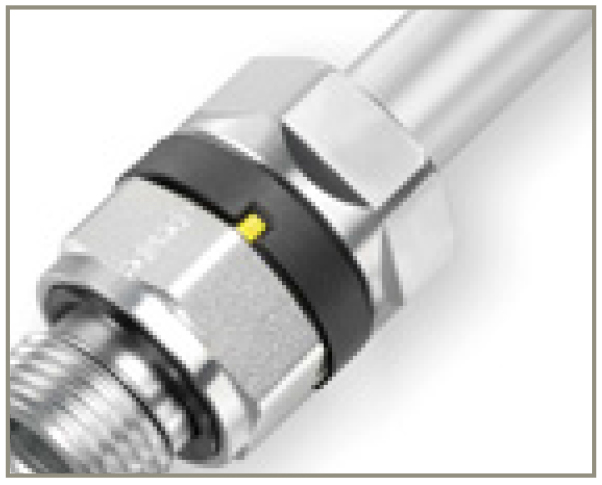
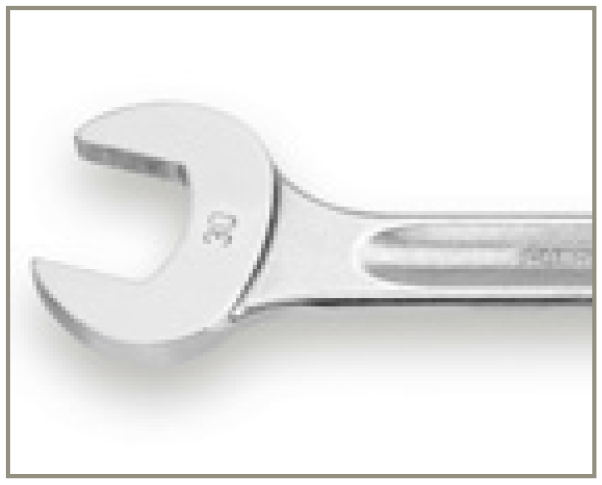
- Smaller nut wrench sizes compared to conventional standards
- Ideal for confined installation conditions
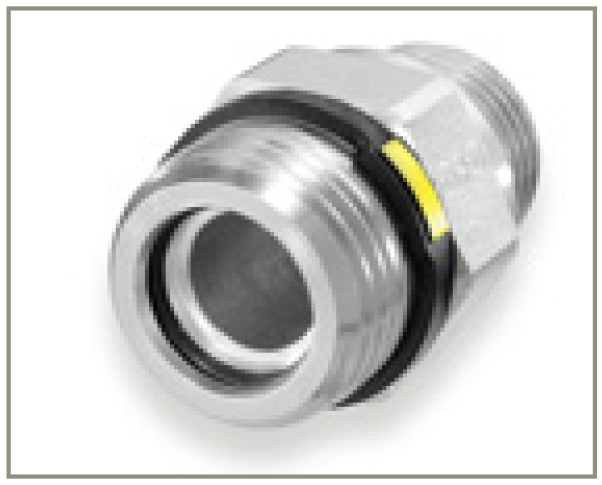
- Soft seal, integrated in the cone
- Elastomer seal with optimal sealing behavior, even with high dynamics in the system
- Increased safety, as loss or damage to the seal is excluded
 />
/>
- Tool costs are reduced, assemblies accelerated
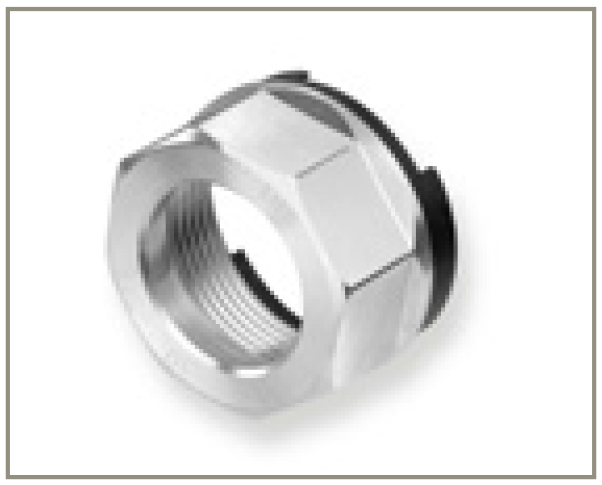
- 8-sided nut instead of the standard 6-sided from tube size 25 mm
Is the viewing window still reliable even if I over-assemble EO-3®?
Yes! If the viewing window is in the correct position, both rings continue to turn synchronously via a slip ring function. "Over-assembly" here is not to be confused with "destruction"; only more force than necessary is applied.
Can I over-assemble EO-3®?
See above. A "bottomed-out position" ensures a mechanical assembly stop. "Breaking during assembly" is thus virtually ruled out.
How does EO-3® behave during repeat assembly?
Repeat assembly works reliably; the indication function remains, although the required force and actual assembly travel may differ depending on the initial assembly. Furthermore, there is no wear or widening of the inner cone.
Can I reassemble a connection that was over-assembled?
Yes, the indicator rings show the position of the last assembly during over-assembly. If the fitting is loosened and reassembled, the assembly indication function is retained.
Assembly is relatively easy – does EO-3® now also loosen faster?
The loosening torques are proportional to the assembly torques and are therefore also lower. With correct assembly, loosening during operation cannot occur. This has been verified by dynamic tests with tube and hose connections.
How does EO-3® behave with hose movements, especially torsion?
The hose line must be installed in such a way that the relative machine movement does not twist the hose.
Is the EO-3® forming comparable to EO2-Form?
Yes, both are form-fitting systems. Differences exist in the form of the seal. With EO2-FORM, the sealing ring is placed on top. With EO-3®, an O-ring is already inserted.
Is the sealing ring in the fitting well enough protected against mechanical influences?
Yes, the O-ring is chambered in the connection piece and is very well protected.
Does EO-3® remain sealed even if the O-ring is damaged?
Yes. However, permanent hydraulic sealing can be ensured even with a damaged or missing O-ring. For long-term fine leak tightness, the O-ring should be replaced.
What are the temperature properties of the indicator ring?
The indicator rings are made of glass-fiber reinforced polyamide. This material is suitable from -40 °C to +120 °C.
How media-resistant are the indicator ring and the yellow viewing window?
The ozone-resistant indicator rings do not come into contact with the hydraulic medium as they are located outside the fitting. The ambient media must therefore also be considered. The indicator rings are resistant to mineral oils and greases, water, and common cleaning agents.
What should be done if the indicator ring on a pre-assembled hose or tube line is missing or destroyed?
The connection can be assembled without performance restrictions like a cone seal connection. However, the assembly indication function is no longer available.