
Hydraulic quick couplings: High pressure range for hydraulic circuits
For hydraulic systems in which there are high pressures, specially designed hydraulic quick couplings are the first choice. They are particularly robust and durable and make it possible, for example, to change units quickly and easily.

2510-QC Quick coupling

5010 UV Quick coupling

5010 V Quick coupling

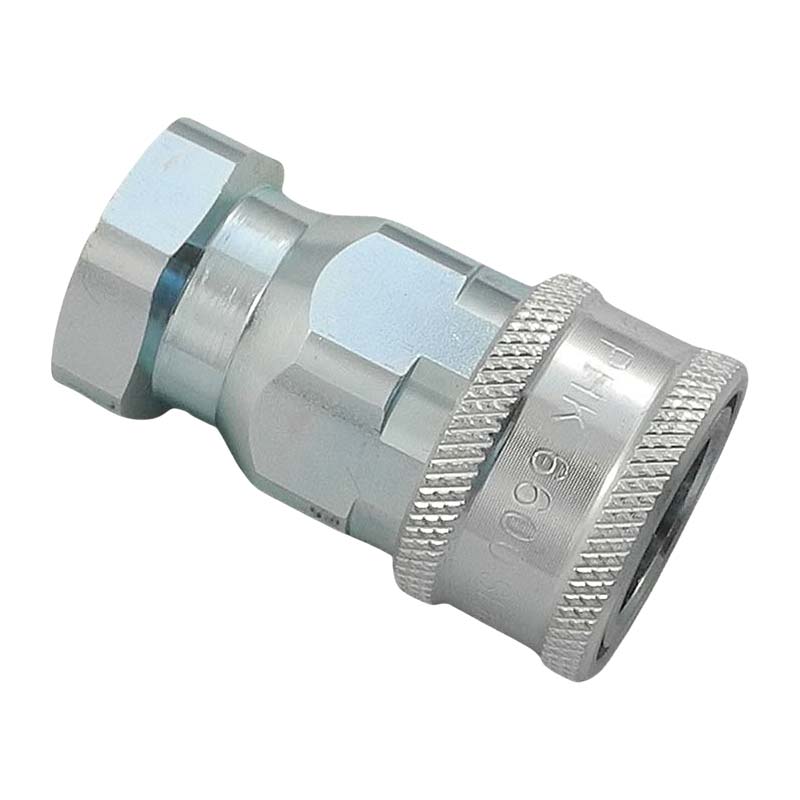
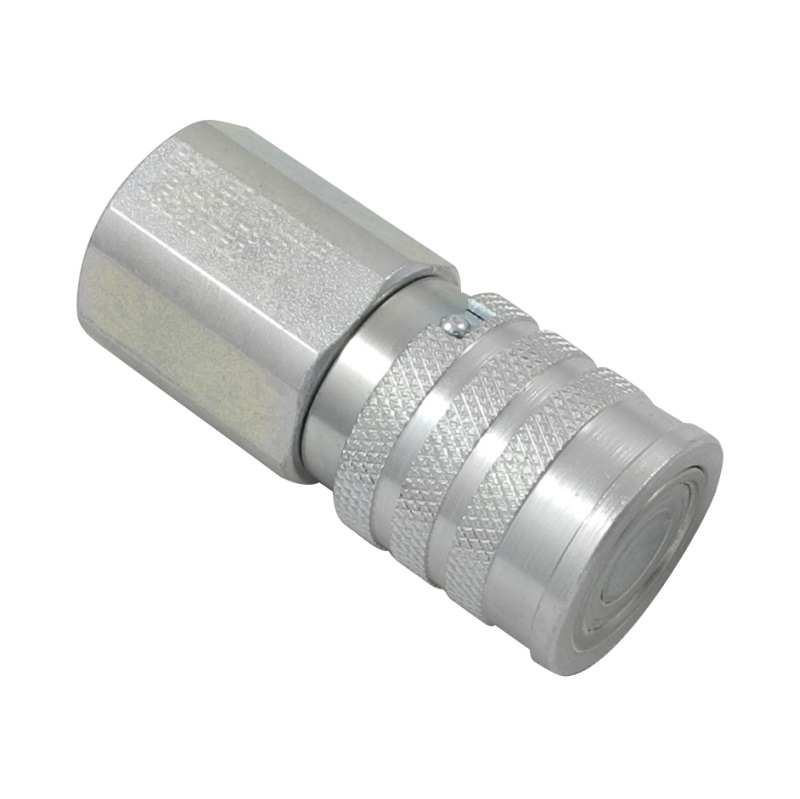
FEM-371-8FB Quick coupling

2510 V Quick coupling
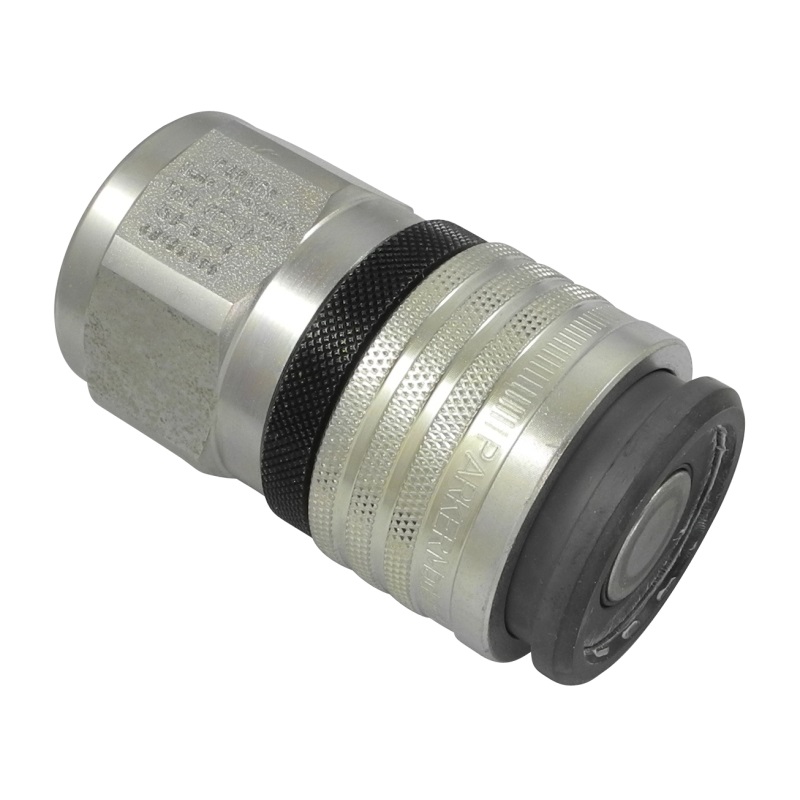
FF7510 C Quick coupling
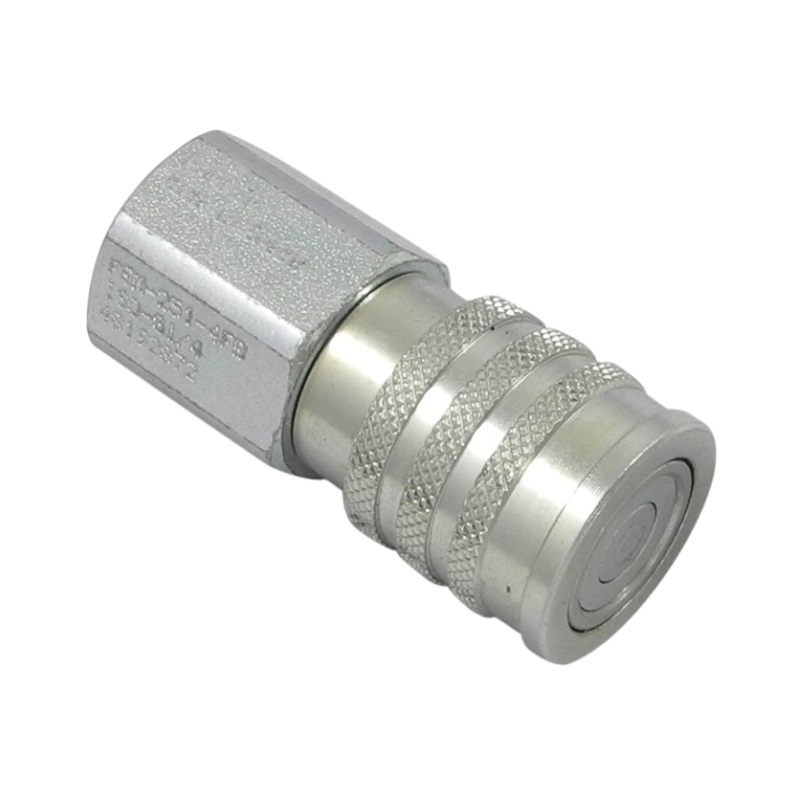
FEM-501-12FB Quick coupling

FEMP-501-8FB Quick coupling
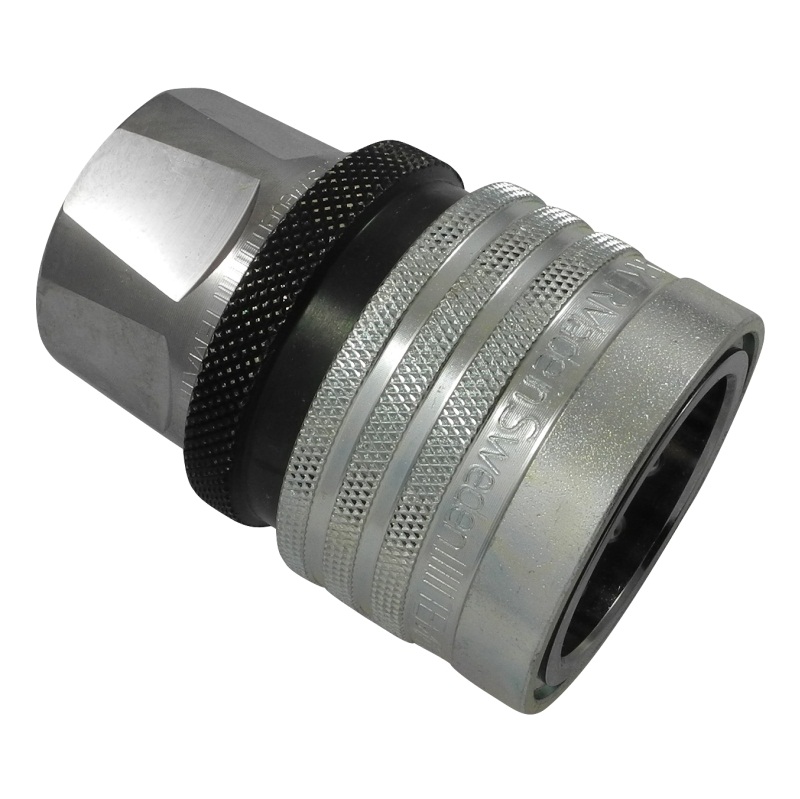
3810 H Quick coupling
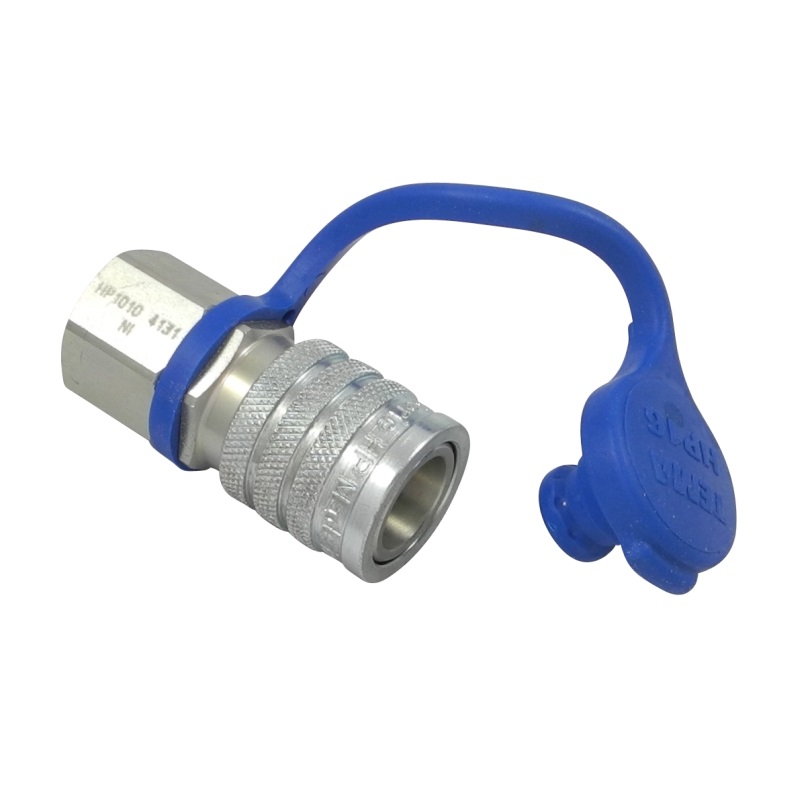
HP1010 4132 Quick coupling

3811 V Quick coupling
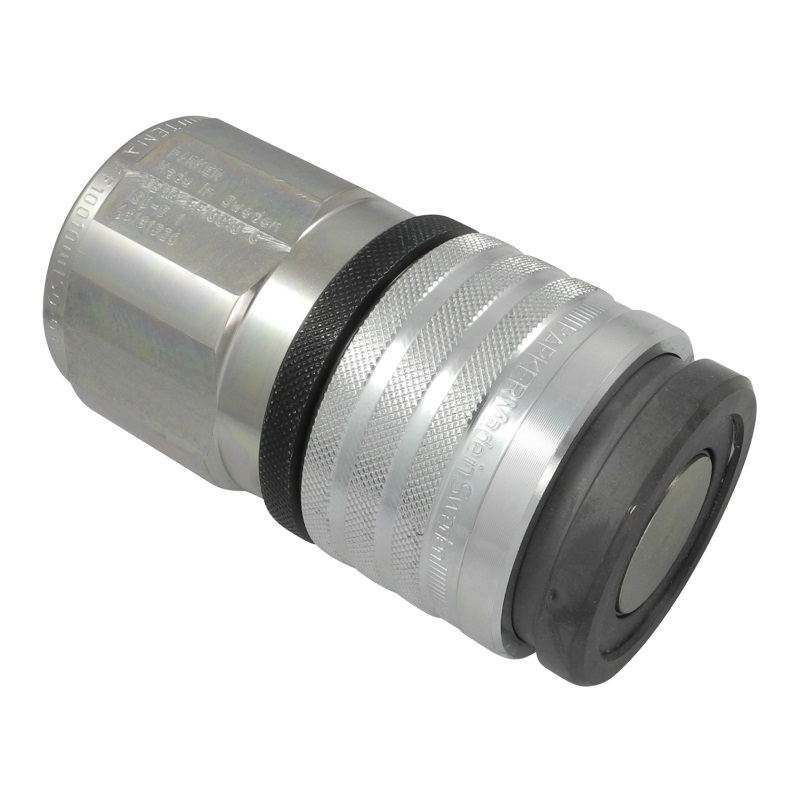
FF10010 C Quick coupling
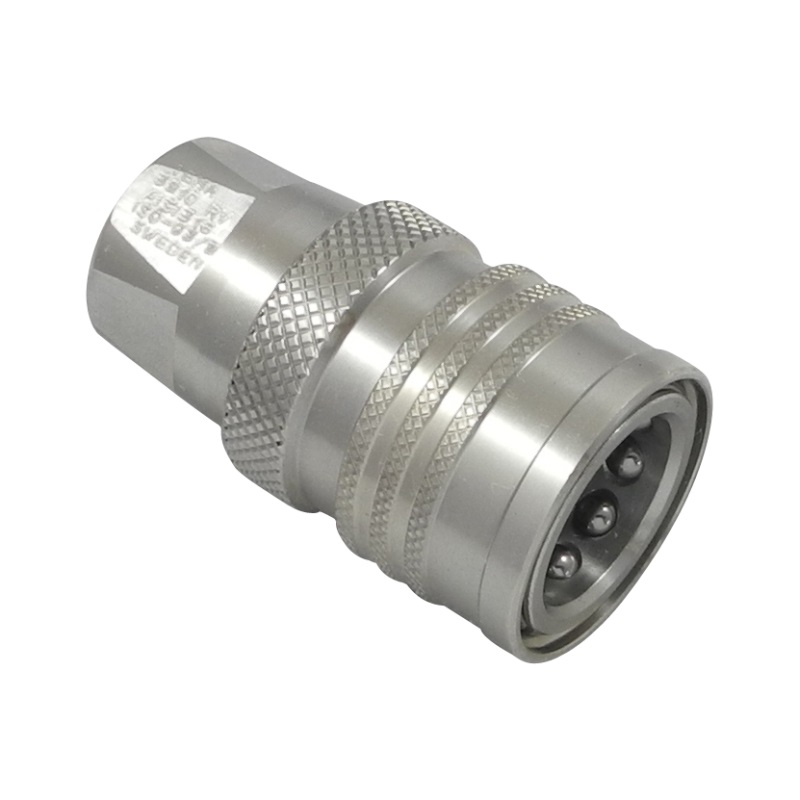
3810 RV Quick coupling
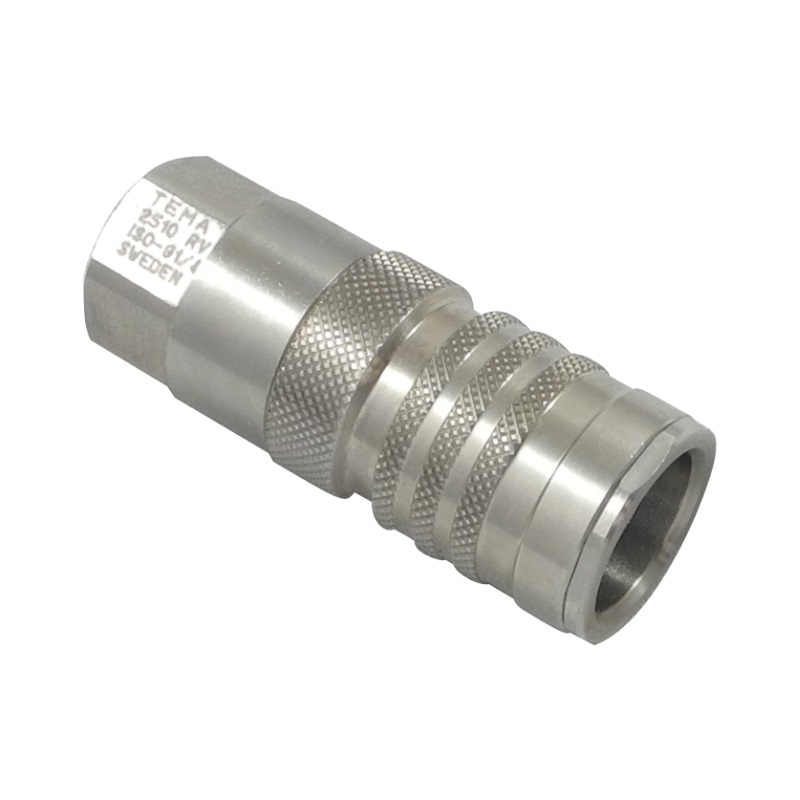
2510 RV Quick coupling

5010 Quick coupling
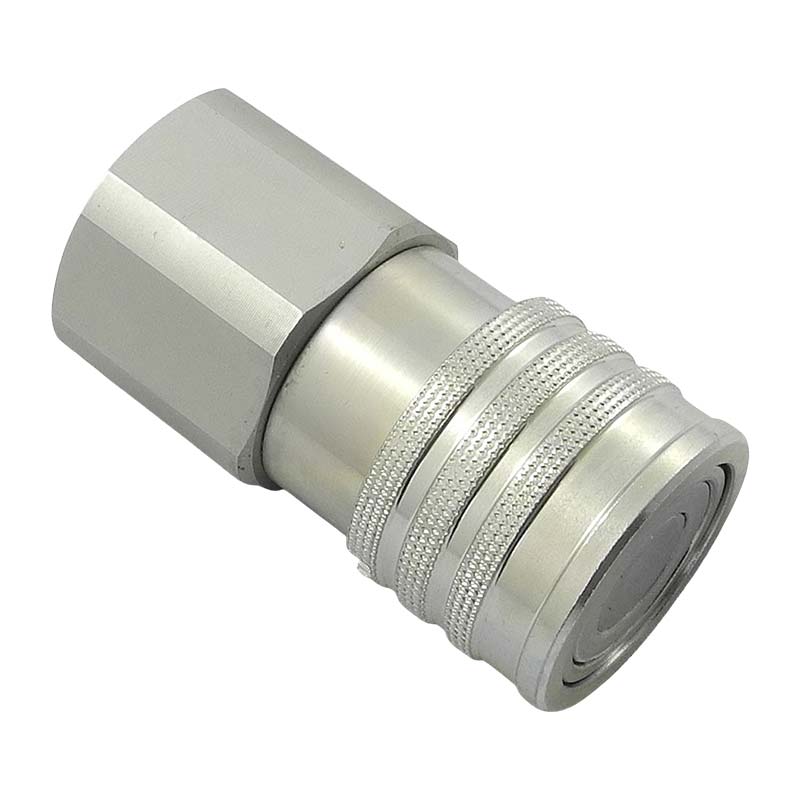
FEM-621-12FB Quick coupling
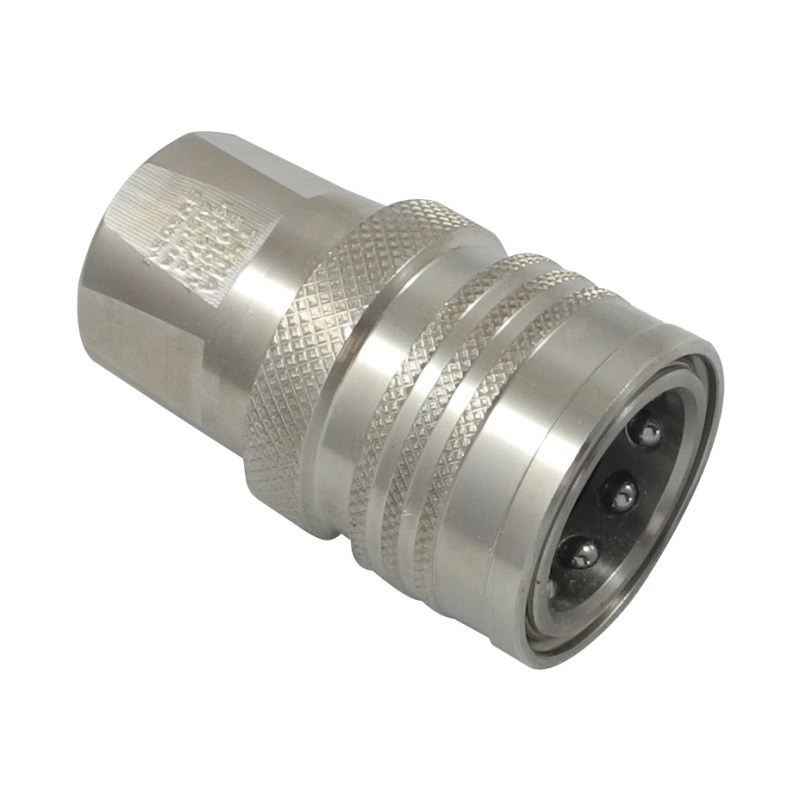
5010 RV Quick coupling
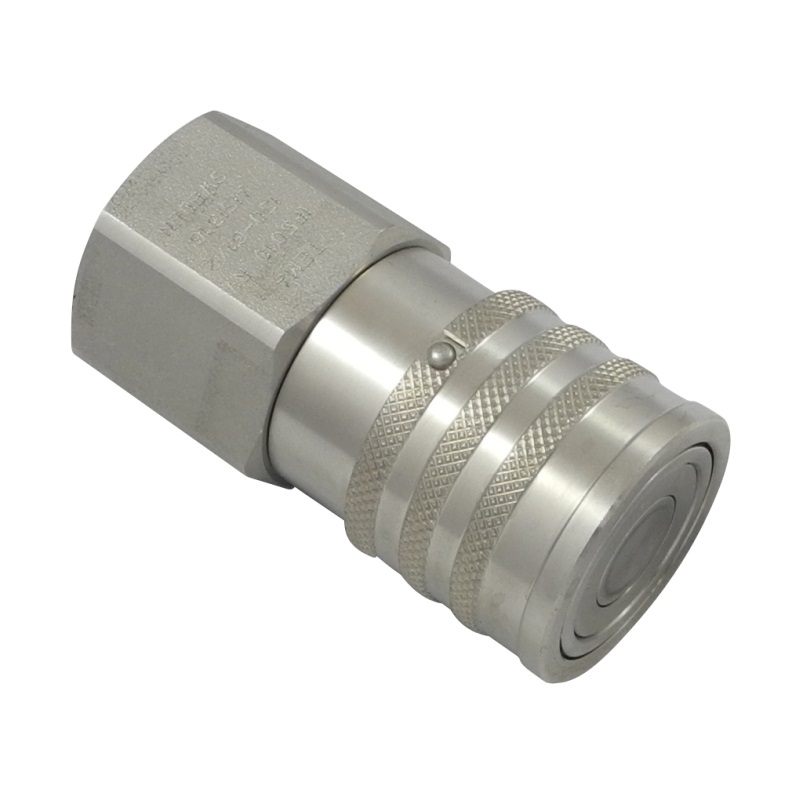
IF5010 RV Quick coupling
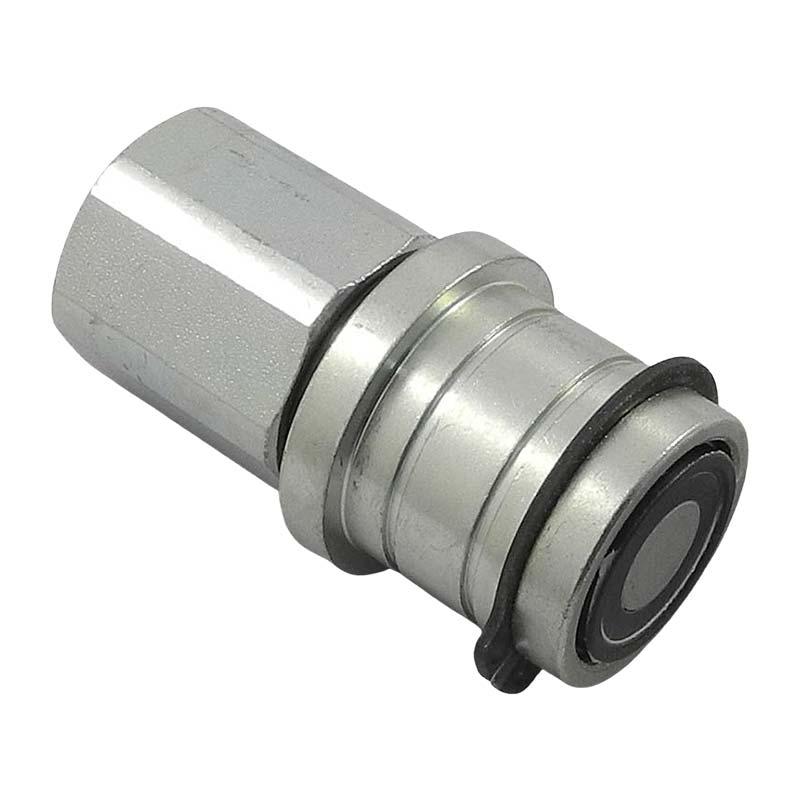
FEMP-371-6FB Quick coupling
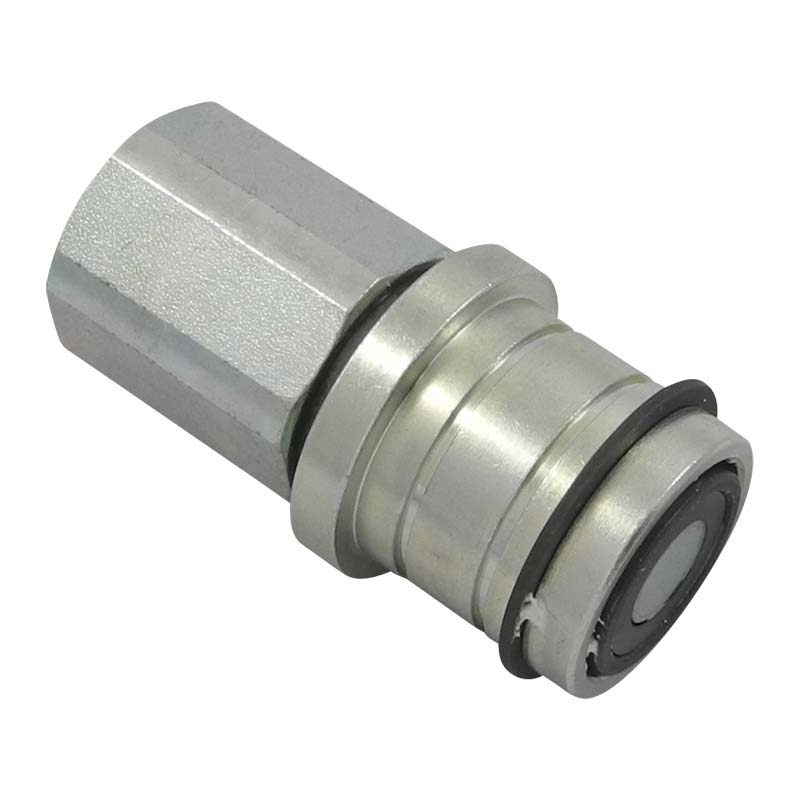
FEMP-251-4FB Quick coupling
FEM-121-2FB Quick coupling
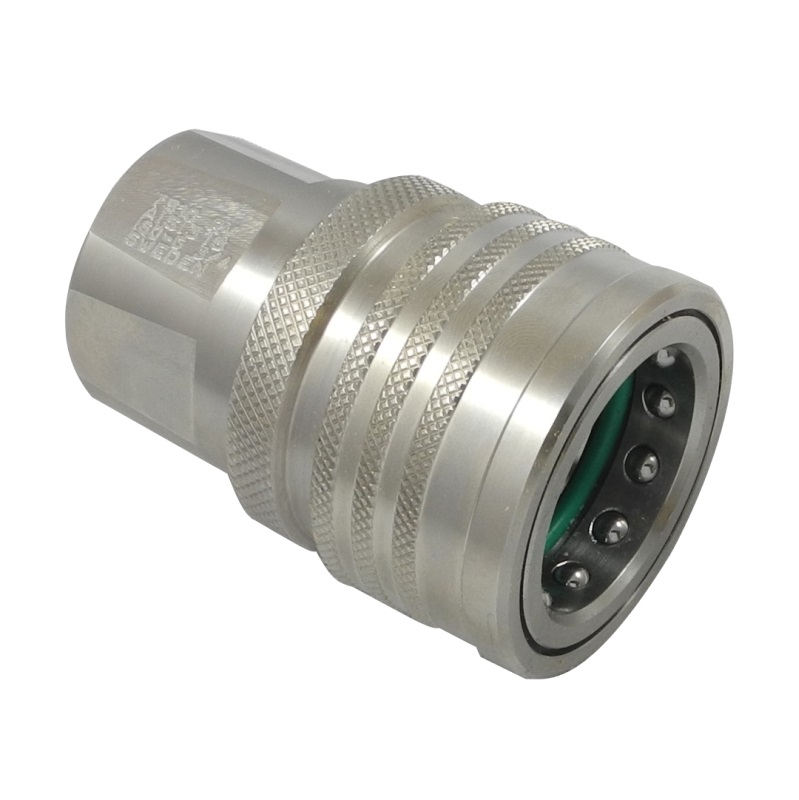
7510 RV Quick coupling
Hydraulic Quick Couplings: Selection, Design, and Practical Benefits
Hydraulic quick couplings serve to establish and disconnect form-fitting, leak-tight connections of hydraulic lines under pressure. In industrial applications, they reduce downtime, simplify maintenance, and increase safety when changing attachments, test benches, or mobile units. The choice of material, sealing system, nominal diameter, pressure class, and connection types are crucial for the coupling to operate durably, pressure-resistant, and wear-optimized within the system.
Design and Materials
Typical hydraulic quick couplings consist of a male part (plug) and a female part (socket), which are joined by a locking unit. Essential components include the housing, locking balls or sleeves, spring mechanism, and seals. Housing materials are primarily hardened steel, stainless steel (AISI 316/1.4401), or high-strength brass alloys. Steel provides high pressure and wear resistance in demanding applications; stainless steel offers corrosion resistance in outdoor installations and food or chemical environments; brass reduces costs under moderate loads. Surface treatment (nitrided, galvanized, nickel-plated, galvanically passivated) influences corrosion protection and friction behavior.
Pressures, Nominal Diameters, and Flow Characteristics
Hydraulic quick couplings are designed for various pressure classes: low-pressure variants up to 250 bar, standard hydraulic couplings for 350–420 bar, and special designs for >500 bar. The choice depends on system pressure, shock loads, and temperature range. The hydrodynamic pressure loss of the coupling depends on the nominal diameter (e.g., DN6–DN25), internal contour, and transition resistances. For accurate system design, the kv-value or flow characteristic curve must be considered. For high flow rates, increasing the nominal diameter or using couplings with an optimized internal contour is recommended to avoid cavitation and pressure peaks.
Sealing Systems and Media Compatibility
Seals determine leak-tightness and service life. Common materials include NBR (nitrile) for oil and mineral oil hydraulics, FKM (Viton) for high temperatures and aggressive media, and PTFE as a low-friction option or for chemical resistance. Material selection must consider the temperature range, media compatibility (hydraulic oil class, bio-oils, glycol), and permissible shaft diameters. For bio-hydraulic oils, NBR seals are often unsuitable; FKM or HNBR seals are preferred here. In food-related areas, special FDA-compliant seals are available.
Connection Types and Mounting Options
Quick couplings feature various connections: metric internal and external threads, BSPP/BSPT, ORFS, SAE flanges, and hose connections with crimp rings. In installation situations with limited space, angled couplings or short coupling variants are useful. For connecting under pressure, pressure-retaining couplings with integrated closing elements are available, allowing fluid-free disconnection of the line. For mobile machinery, a locking mechanism with a safety bail or a breakaway coupling is recommended to prevent unintentional disconnection.
Locking and Safety Functions
Mechanical locking mechanisms (e.g., ball lock, groove and ring lock), automatic locking mechanisms, and additional safety bails prevent unintentional disconnection under load. Check valve systems in the socket seal upon disconnection and minimize fluid leakage. Venting or pressure relief valves in coupling housings ensure controlled depressurization in certain applications. For explosion-hazardous areas, antistatic versions and potential-equalizing connections are available.
Maintenance, Service Life, and Failure Modes
Regular visual inspection, seal replacement, and cleaning of contact surfaces extend service life. Typical causes of failure include contamination (particles, foreign matter), damaged seals, corrosion on locking surfaces, and wear due to frequent mating cycles. A standardized maintenance interval depends on operating hours, environmental influences, and shock cycles. In case of leaks, first check seals, then the internal contour and ball mechanism for damage. Spare parts should be identical in material and manufacturing to avoid altering system behavior.
Application Scenarios and Practical Examples
Example 1: In an excavator control system, multiple attachments such as drilling rigs and pallet grippers are changed on a hydraulic circuit. Here, pressure-retaining, wear-resistant couplings with FKM seals are used to maintain a permanent seal under varying outdoor temperatures (-20 °C to +60 °C). The locking mechanism is designed with a safety bail to prevent accidental disconnection during handling. Example 2: In a test bench for hydraulic cylinders, frequent re-plugging and rapid pressure changes occur. A coupling with an optimized internal contour and large nominal diameter reduces pressure losses; additionally, check valves are installed to prevent uncontrolled oil escape during disconnection. Example 3: In a chemical production line, a hydraulic unit must be temporarily removed. Stainless steel couplings with PTFE seals ensure chemical resistance and low contamination, while a central venting function allows safe disconnection under residual pressure. For further technical details and practical cases, please refer to our technical page: https://maku-industrie.de/technik and for real application examples: https://maku-industrie.de/anwendungsbeispiele.
Selection Criteria for Purchasing
When selecting a product, a systematic review of requirements is necessary. Check operating pressure, maximum temperature, media compatibility, mating cycles, required flow rate, installation dimensions, and any relevant standards or industry requirements. Evaluate connections and compatible counterparts in the existing hydraulic network. For mobile applications, vibration and shock resistance should be considered; for stationary systems, longevity and ease of maintenance. Use technical data sheets for kv-values, material properties, and sealant specifications to compare compatible alternatives.
- Key selection points: Pressure class, nominal diameter/flow, sealing material, connection type, material, locking mechanism
Standards, Marking, and Quality Assurance
Hydraulic quick couplings are subject to standards for dimensions, threads, and pressure tests (e.g., ISO, DIN, SAE). Markings on components provide information about the manufacturer, pressure class, and material. For sensitive applications, documented material release and test protocols for leak testing are recommended. Series products should be delivered pressure-tested; for custom designs, material certificates and hardness tests are required.
System Integration and Installation
Before installation, line cleaning (flushing) and filtration should be checked to minimize contamination in the system. Installation with recommended tightening torque, clean sealing surfaces, and correct alignment prevents misalignment and premature wear. For hose connections, correct crimping technique and adherence to bending radii are important. After installation, a functional test at operating pressure should be performed to immediately detect leaks and locking problems.
Procurement and Service Information
When purchasing, pay attention to spare part availability and documentation for coupling type identification, especially if multiple systems are operated in parallel. For individual requirements, manufacturers offer special designs, e.g., with integrated valves, anti-cavitation elements, or special surface coatings. For quick planning and selection, use specified product data sheets and consult with technical sales representatives.
FAQs
Q: Which seal is right for my hydraulic quick coupling?
A: Choose sealing material based on medium and temperature: NBR for mineral oils up to ~100 °C, HNBR for higher abrasion resistance and increased temperature resistance, FKM (Viton) for high temperatures and aggressive media, PTFE for chemical resistance or very low friction. For bio-oils and glycols, check the manufacturer's compatibility lists.
Q: Can I disconnect quick couplings under pressure?
A: Only if the coupling is explicitly specified as pressure-retaining or disconnectable under pressure and has check valve or shut-off mechanisms. Standard couplings without this function can cause oil loss and danger from pressure surges upon disconnection. For frequent disconnection under pressure, use special, tested couplings.
Q: How does the nominal diameter affect coupling performance?
A: The nominal diameter determines flow rate and pressure loss. A nominal diameter that is too small increases pressure losses, generates heat, and can cause cavitation. Select nominal diameters based on the required volume flow and permissible pressure losses; use the manufacturer's kv-values or flow characteristic curves for design.